
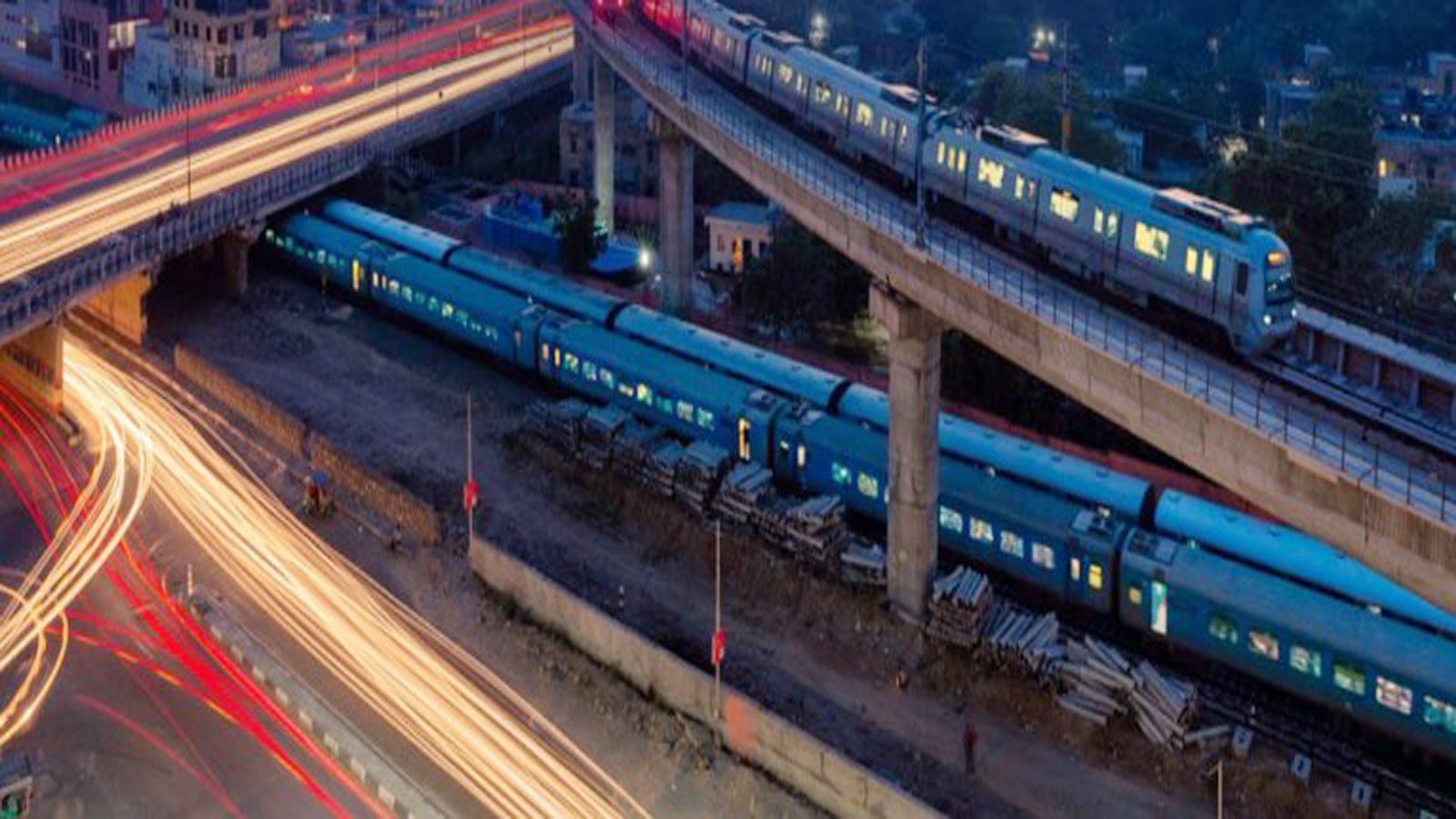

Railway and highway expansion plans connecting smaller towns are reshaping India’s transport network in 2026. With increased public investment and policy focus, connectivity between Tier-2 and Tier-3 regions is improving, supporting trade, mobility, and regional economic growth.
Why Connectivity to Smaller Towns Is a Policy Priority
Railway and highway expansion plans connecting smaller towns have become central to India’s infrastructure strategy. The Ministry of Road Transport and Highways and Indian Railways are focusing on improving last-mile connectivity and linking emerging economic centres.
Smaller towns are increasingly contributing to industrial output, agriculture, and services. Better connectivity allows these regions to integrate with national supply chains.
Policy emphasis is also driven by the need to reduce congestion in metro cities and promote balanced regional development.
Improved connectivity is expected to unlock economic potential in previously underdeveloped areas.
Expansion of National Highways and Economic Corridors
Highway development is a major component of the expansion plan. Projects under initiatives like Bharatmala are improving road connectivity across states.
New expressways and widened national highways are reducing travel time between cities and towns. This supports faster movement of goods and passengers.
Economic corridors are being developed to connect industrial zones, logistics hubs, and ports. These corridors enable efficient transport and reduce logistics costs.
For smaller towns, improved road networks mean better access to markets, education, and healthcare services.
Railway Network Upgrades and New Line Projects
Railway expansion is also playing a crucial role in connecting smaller towns. Indian Railways is investing in new lines, electrification, and track doubling to increase capacity and efficiency.
Many previously underserved regions are being linked through new railway routes. This improves accessibility for both passengers and freight transport.
Modernisation efforts include better stations, improved safety systems, and faster trains. These upgrades enhance the overall travel experience.
Rail connectivity is particularly important for regions where road infrastructure is still developing.
Impact on Trade, Logistics, and Local Businesses
Improved connectivity directly benefits trade and logistics. Businesses in smaller towns can transport goods more efficiently, reducing costs and delivery times.
Agricultural producers gain better access to markets, allowing them to sell products beyond local regions. This can lead to higher income for farmers.
Small and medium enterprises also benefit from easier access to raw materials and distribution networks.
Logistics companies are expanding operations in Tier-2 and Tier-3 cities, creating new employment opportunities.
The overall impact is a more integrated and efficient supply chain.
Boost to Tourism and Regional Mobility
Better railway and highway connectivity is also boosting tourism in smaller towns. Improved access encourages travel to less-explored destinations.
Tourist spots in Tier-2 regions are seeing increased footfall due to easier connectivity. This supports local economies through hospitality, transport, and retail services.
For residents, improved mobility means better access to education, healthcare, and employment opportunities in nearby cities.
Enhanced connectivity is improving quality of life and expanding opportunities.
Role of Technology and Modern Infrastructure Planning
Technology is being integrated into infrastructure projects to improve efficiency and safety. Smart traffic management systems, digital toll collection, and GPS-based monitoring are being implemented.
Railway projects are adopting modern signalling systems and electrification to improve speed and reduce environmental impact.
Data-driven planning helps identify high-demand routes and optimise resource allocation.
These advancements ensure that expansion plans are sustainable and future-ready.
Challenges in Execution and Implementation
Despite progress, several challenges remain in implementing railway and highway projects. Land acquisition issues can delay construction timelines.
Funding constraints and coordination between different agencies may also affect project completion. Environmental concerns and regulatory approvals add to the complexity.
In some regions, maintaining quality and ensuring timely execution remains a concern.
Addressing these challenges requires strong governance and efficient project management.
Long-Term Impact on Regional Development
The expansion of railways and highways is expected to transform regional development in India. Smaller towns will become more connected, attracting investment and talent.
This shift supports decentralised growth and reduces dependence on metro cities. It also creates opportunities for industries to expand into new regions.
Over time, improved connectivity will strengthen economic resilience and promote inclusive growth.
The ongoing infrastructure push is likely to redefine India’s development landscape.
Takeaways
• Railway and highway expansion is improving connectivity to smaller towns
• Better transport networks support trade, tourism, and economic growth
• Infrastructure upgrades are integrating smaller cities into national markets
• Effective implementation is key to long-term success
FAQs
Why is connectivity to smaller towns important?
It supports economic growth, improves mobility, and reduces regional disparities.
What are the major highway projects in India?
Projects under Bharatmala and new expressways are key developments.
How is railway expansion benefiting smaller towns?
New routes and upgrades improve accessibility and support freight movement.
What challenges affect infrastructure projects?
Land acquisition, funding, and coordination issues can delay implementation.