
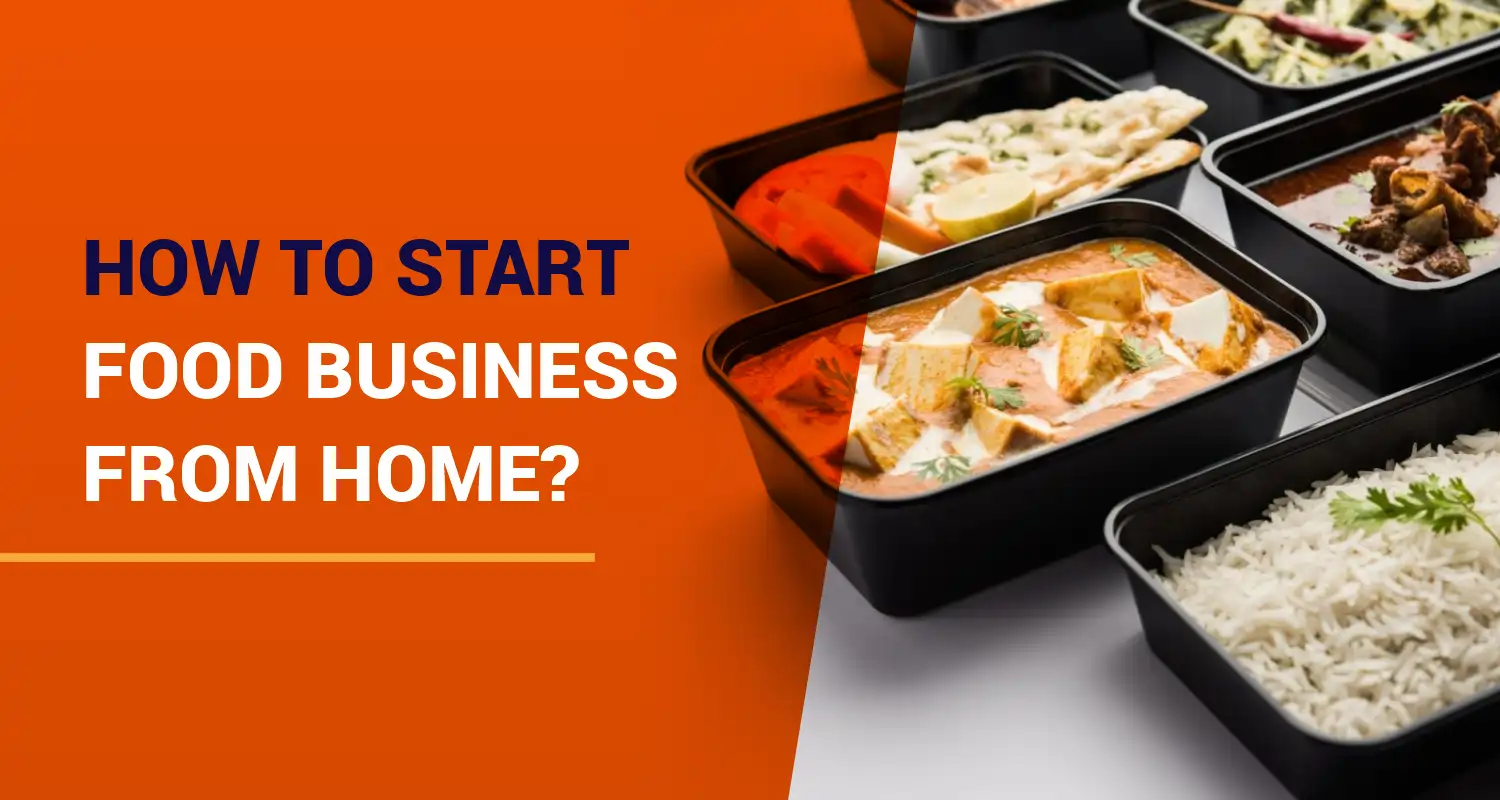

Starting a home-based food business in Tier-2 cities is now more accessible with clear regulations and digital tools. This guide explains legal registration, licenses, costs, and practical steps to help you launch and run a compliant food business from home.
Starting a home-based food business legally in Tier-2 cities has become a practical option for many aspiring entrepreneurs. The main keyword home-based food business India is important because growing demand for homemade meals, tiffin services, and cloud kitchens has opened new income opportunities outside metro areas. However, running such a business requires proper registration, licensing, and compliance with food safety rules.
The good news is that India’s regulatory framework allows small scale food businesses to operate from home, provided they meet basic standards set by authorities like Food Safety and Standards Authority of India.
Understanding Legal Requirements for Home Food Businesses
Before starting operations, you need to understand the legal structure. Most small home kitchens fall under petty food business operators as defined by Food Safety and Standards Authority of India. If your annual turnover is below a specified threshold, you can apply for basic registration instead of a full license.
This process is now online and simplified for small entrepreneurs. You will need identity proof, address proof, details of your food category, and a basic kitchen layout description.
Secondary keyword FSSAI registration for home kitchen is critical here because operating without registration can lead to penalties and shutdown notices. Even if you sell through social media or local orders, registration is mandatory.
Step by Step Process to Start Legally
The first step is choosing your food category. Decide whether you want to run a tiffin service, bakery, snack business, or meal delivery setup. This helps define your compliance requirements and target audience.
Next, apply for FSSAI registration through the official portal. Fill in your details, upload documents, and pay the applicable fee. Once approved, you will receive a registration number that must be displayed on your packaging or promotional materials.
You may also need a local municipal trade license depending on your city. Some Tier-2 cities require this for home businesses, especially if you expect regular deliveries or customer visits.
Open a separate bank account for business transactions. This keeps your finances organized and helps if you scale operations later.
Secondary keyword how to start food business from home India becomes relevant because following structured steps reduces risk and builds credibility.
Kitchen Setup and Food Safety Compliance
Your home kitchen must meet basic hygiene and safety standards. This includes clean cooking surfaces, proper storage for raw materials, and safe water supply. You do not need a commercial kitchen initially, but cleanliness is non negotiable.
Use food grade packaging materials and label your products clearly. Include your business name, FSSAI registration number, and manufacturing date where applicable.
Avoid preparing food in bulk without proper storage facilities. Temperature control and shelf life management are essential, especially in warmer regions.
Secondary keyword food safety rules for home business is important because compliance builds trust with customers and prevents health risks.
Selling Through Online Platforms and Local Networks
In Tier-2 cities, most home-based food businesses grow through WhatsApp groups, Instagram pages, and word of mouth. You can also partner with platforms like Zomato and Swiggy if your scale increases.
Start by building a simple menu and pricing strategy. Focus on consistency rather than variety in the beginning. Deliver on time and maintain quality to gain repeat customers.
Accept digital payments through UPI to make transactions easy for customers. Keep records of orders and feedback to improve your service.
Secondary keyword online food business small town highlights how digital tools have made it easier for small entrepreneurs to reach customers without investing in physical outlets.
Costs, Challenges, and Growth Potential
Starting a home-based food business in Tier-2 cities does not require heavy investment. Basic costs include registration fees, raw materials, packaging, and marketing through social media.
However, challenges include maintaining consistency, handling peak demand, and managing logistics. Delivery coordination can become complex as your customer base grows.
Over time, you can expand into a cloud kitchen model or hire additional staff. Many successful brands today started as small home kitchens and scaled gradually.
Secondary keyword small food business startup India shows that this model is not just a side income option but can become a full time business with proper planning.
Takeaways:
- Register your business with FSSAI before starting operations
- Maintain strict hygiene and food safety standards at home
- Use digital platforms to reach and retain customers
- Start small and scale gradually based on demand
FAQ:
Q1: Is FSSAI registration mandatory for home-based food businesses?
Yes, even small home kitchens must have at least basic FSSAI registration to operate legally.
Q2: Can I sell food online without a commercial kitchen?
Yes, you can start from home if you meet hygiene and safety requirements and have proper registration.
Q3: Do I need a trade license for a home food business?
In some cities, a municipal trade license is required. Check local regulations before starting.
Q4: How much investment is needed to start?
Initial costs are usually low and depend on your scale, menu, and packaging needs