
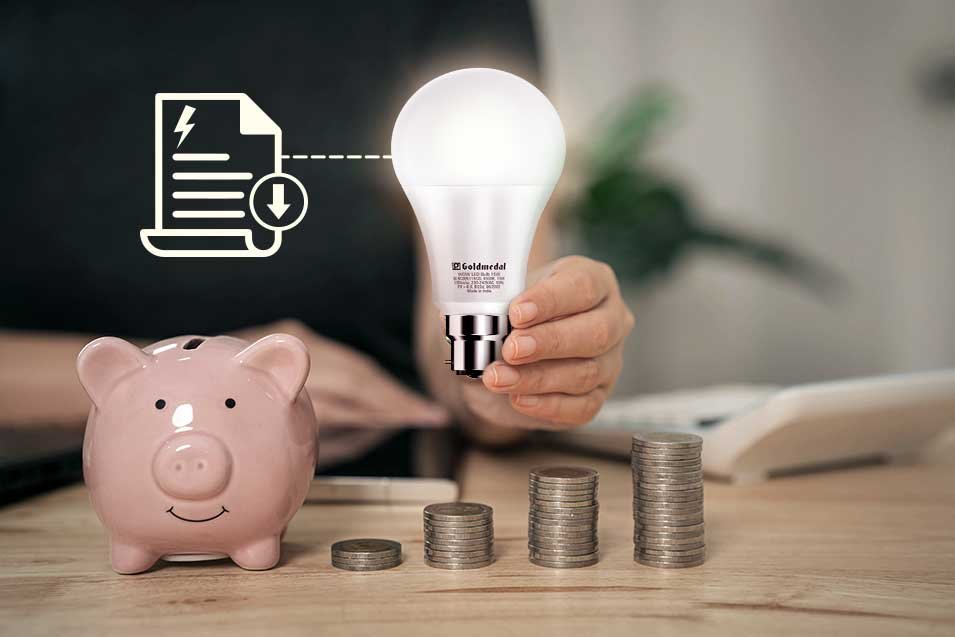

Electricity bills usually rise sharply during the Indian summer because of heavy air conditioner, cooler, refrigerator, and fan usage. Smart home appliances and simple energy-saving habits can help households reduce power consumption without sacrificing comfort during high-temperature months.
Why Electricity Bills Increase During Summer
Summer electricity consumption increases mainly because cooling appliances run for longer hours. Air conditioners, refrigerators, water pumps, ceiling fans, and air coolers consume significant electricity when temperatures remain high throughout the day.
In many Indian cities, especially Tier-2 and Tier-3 regions facing heatwaves, households use multiple cooling devices simultaneously. Older appliances with poor energy efficiency consume more power compared to newer models.
Another common issue is unnecessary energy wastage. Devices left on standby mode, improper AC temperature settings, poor room insulation, and outdated lighting systems contribute to higher monthly bills.
Power tariffs in some states also increase with higher electricity usage slabs. This means households consuming extra units during summer may pay higher rates per unit once they cross certain consumption limits.
Understanding where electricity is being consumed is the first step toward reducing unnecessary expenses.
How Smart Home Appliances Help Save Electricity
Smart home appliances are designed to optimize energy usage automatically. Many modern air conditioners, refrigerators, washing machines, and smart plugs now include energy-monitoring and automation features.
Inverter ACs are among the most effective electricity-saving appliances because they adjust compressor speed according to room temperature instead of repeatedly turning on and off. This reduces power consumption significantly compared to traditional fixed-speed ACs.
Smart thermostats and WiFi-enabled AC controllers allow users to schedule cooling hours and maintain efficient temperature settings. Experts generally recommend keeping AC temperatures around 24°C to balance comfort and energy efficiency.
Energy-efficient refrigerators with higher star ratings also consume less electricity during continuous operation. Similarly, BLDC ceiling fans use less power than conventional fans while providing similar airflow.
Smart plugs can automatically switch off unused appliances and monitor real-time electricity consumption through mobile apps.
Energy-Saving Tricks That Actually Work
Simple behavioral changes can reduce electricity bills without requiring expensive upgrades. One effective method is limiting direct sunlight inside rooms during peak afternoon hours. Using curtains, reflective films, or window shades reduces indoor heat buildup and lowers cooling requirements.
Cleaning AC filters regularly improves airflow and reduces energy strain on cooling systems. Dirty filters force appliances to work harder and consume more electricity.
Another important tip is avoiding unnecessary appliance usage during peak daytime temperatures. Washing machines, irons, and water heaters generate additional indoor heat and increase electricity load.
Switching completely to LED lighting also reduces power consumption because LED bulbs use much less electricity than traditional incandescent or CFL bulbs.
Households can further reduce electricity usage by unplugging chargers, televisions, microwaves, and other devices when not in use. Many electronics continue consuming standby power even after being switched off.
Cross ventilation during early morning and nighttime hours can naturally cool rooms and reduce dependence on air conditioners.
Best Appliances for Energy-Efficient Homes
Consumers planning appliance upgrades should focus on energy ratings rather than only purchase prices. Products certified with higher Bureau of Energy Efficiency star ratings generally consume less electricity over time.
Inverter air conditioners, front-load washing machines, BLDC fans, and smart refrigerators are currently among the most energy-efficient home appliances available in India.
Solar-powered outdoor lights and solar water heaters are also becoming popular in smaller cities because they help reduce long-term electricity expenses. Although initial installation costs may be higher, they provide savings over several years.
Smart power strips are useful for households with multiple entertainment devices and office setups. These strips automatically cut power to inactive electronics.
For people working from home, laptops usually consume significantly less electricity than desktop computers. Choosing energy-efficient devices can lower daily power usage gradually over time.
Common Mistakes That Increase Power Consumption
Many households unknowingly increase electricity bills through inefficient habits. Setting air conditioners to extremely low temperatures does not cool rooms faster but increases energy consumption.
Keeping refrigerator doors open for long periods also forces compressors to work continuously. Overloading refrigerators and placing hot food directly inside increases cooling demand.
Using old wiring systems, damaged plugs, and poor-quality extension boards may lead to power leakage and safety risks.
Another mistake is ignoring appliance maintenance. Cooling systems, fans, and refrigerators operate less efficiently when dust accumulation and technical issues are not addressed regularly.
People often underestimate the impact of multiple small devices running together. Chargers, routers, televisions, gaming consoles, and set-top boxes collectively add to monthly electricity usage.
Future of Smart Energy Management in Indian Homes
Smart energy management is expected to grow as electricity costs rise and consumers become more conscious about monthly expenses. Many urban and semi-urban households are adopting app-controlled appliances and energy-monitoring systems.
Government awareness campaigns and growing availability of affordable smart appliances are also encouraging energy-efficient practices across India.
In the coming years, smart meters, solar integration, and AI-based energy monitoring systems may become more common even in Tier-2 cities. Households that combine efficient appliances with practical daily habits are likely to see the biggest savings.
Takeaways
- Summer electricity bills increase mainly due to cooling appliance usage.
- Inverter ACs, BLDC fans, and LED lights help reduce power consumption.
- Simple habits like proper AC settings and unplugging devices save electricity.
- Energy-efficient appliances may cost more initially but reduce long-term expenses.
FAQ
Which appliance consumes the most electricity during summer?
Air conditioners usually consume the highest amount of electricity in most households during summer months.
What is the ideal AC temperature for saving electricity?
Experts commonly recommend setting AC temperatures around 24°C for balanced cooling and energy efficiency.
Do smart appliances actually reduce electricity bills?
Yes, smart appliances optimize energy usage and reduce unnecessary power consumption through automation and efficient technology.
Are LED bulbs better for electricity savings?
Yes, LED bulbs consume much less electricity and last longer compared to traditional bulbs and CFL lights.