
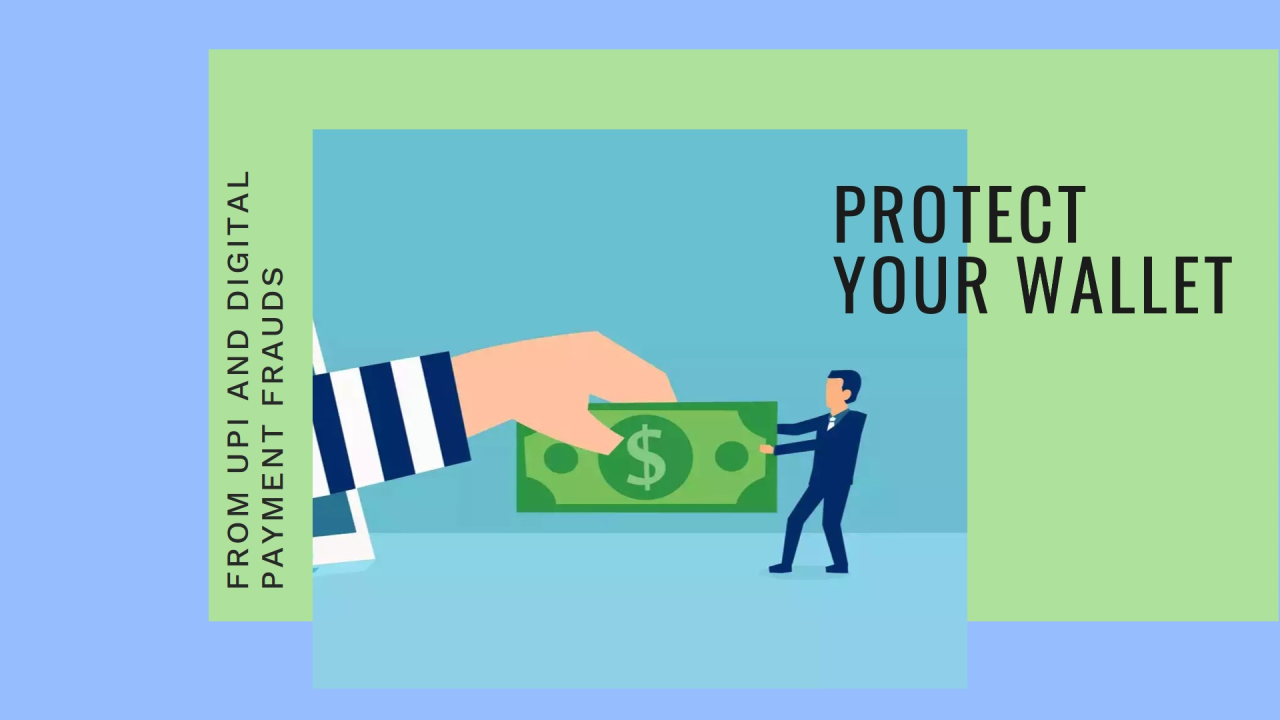

Online scams targeting Indian users have become more sophisticated, with fraudsters increasingly using WhatsApp, UPI apps, fake customer support calls, and phishing links to steal money and personal information. Understanding common scam tactics and adopting basic security practices can significantly reduce the risk of becoming a victim.
Why WhatsApp and UPI Scams Are Rising in India
Protecting your WhatsApp and UPI accounts has become essential as digital payments and messaging platforms continue to dominate everyday life in India. Millions of users rely on UPI apps for payments and WhatsApp for communication, making them attractive targets for cybercriminals.
Fraudsters often exploit trust, urgency, and lack of awareness rather than technical vulnerabilities. They may impersonate banks, government agencies, delivery services, relatives, or customer care representatives. Their goal is usually to obtain OTPs, UPI PINs, account credentials, or remote access to a victim’s device.
The rise of instant digital transactions means stolen funds can be transferred quickly, making prevention far more effective than recovery.
Common WhatsApp Scams Every User Should Know
WhatsApp scams have evolved beyond simple spam messages. One of the most common methods involves account takeover attempts. Scammers contact users claiming that an OTP was sent by mistake and request the code. Sharing this OTP can allow fraudsters to register the victim’s WhatsApp account on another device.
Another growing threat involves fake job offers, investment schemes, and lottery winnings. These messages often promise easy money and direct users to suspicious links.
Family emergency scams are also common. Criminals may use a stolen or cloned profile picture and pretend to be a friend or relative urgently needing financial help.
Users should remember that genuine organizations rarely conduct sensitive account verification through WhatsApp messages.
Understanding UPI Fraud and Payment Scams
UPI fraud has become one of the most frequently reported forms of financial cybercrime in India. Scammers often exploit confusion about payment requests and collection requests.
A common trick involves sending a “collect request” and convincing the victim that approving it will result in receiving money. In reality, authorizing such a request transfers money out of the user’s account.
Fake customer support scams are another major threat. Fraudsters create fake helpline numbers online and persuade victims to install remote access applications. Once installed, these apps can allow criminals to view screens, monitor activity, and facilitate unauthorized transactions.
QR code scams are also widespread. Scammers claim that scanning a QR code will help receive money, but the process may instead initiate a payment or expose sensitive information.
Security Settings to Enable on WhatsApp
Several built-in security features can strengthen WhatsApp account protection.
Users should immediately activate two-step verification. This feature adds an extra PIN requirement whenever the account is registered on a new device.
Regularly reviewing linked devices is equally important. If an unfamiliar device appears in the linked devices section, it should be removed immediately.
Privacy settings should also be adjusted carefully. Restricting profile photos, status updates, and personal information to trusted contacts can reduce the risk of impersonation scams.
Users should avoid clicking unknown links and downloading files from unverified senders, even if the message appears to come from a familiar contact.
Best Practices for Securing UPI Transactions
UPI security begins with protecting the UPI PIN. No legitimate bank, payment app, or government agency will ask for a user’s UPI PIN, OTP, or debit card PIN.
Users should verify recipient names before approving payments. Even a small spelling difference may indicate a fraudulent transaction.
Transaction notifications should remain enabled so that suspicious activity can be detected quickly. Mobile operating systems and payment applications should also be updated regularly to receive the latest security protections.
It is advisable to use screen locks, biometric authentication, and device-level security features. These measures provide additional protection if a phone is lost or stolen.
How to Identify Phishing Links and Fake Messages
Phishing remains one of the most effective scam techniques because it relies on human behavior rather than technical hacking.
Scam messages often create urgency by claiming account suspension, prize winnings, KYC failures, tax refunds, or security issues. Users are pressured to click links immediately without verification.
Before opening any link, users should carefully inspect the website address. Official institutions typically use recognizable domains and secure connections.
Poor grammar, unusual payment requests, unrealistic rewards, and demands for confidential information are common warning signs.
Whenever possible, users should independently contact the organization through official channels rather than relying on links or phone numbers provided in suspicious messages.
What to Do If You Become a Victim
If a fraudulent transaction occurs, immediate action can improve the chances of limiting damage.
Users should contact their bank or payment service provider as soon as possible and report the incident. The national cybercrime reporting portal and cybercrime helpline can also be used to register complaints.
Compromised passwords should be changed immediately, and affected accounts should be reviewed for unauthorized activity.
Quick reporting often helps investigators trace fraudulent transactions and may improve the possibility of recovery in some cases.
Key Takeaways
• Never share OTPs, UPI PINs, passwords, or verification codes with anyone.
• Enable two-step verification on WhatsApp and strong security features on payment apps.
• Verify payment requests carefully before authorizing transactions.
• Avoid clicking suspicious links or calling customer support numbers found on unverified websites.
FAQ
Q1. Can someone steal money by sending a UPI collect request?
Yes. If you authorize a collect request by entering your UPI PIN, money can be transferred from your account.
Q2. Is it safe to share a WhatsApp OTP with someone claiming it was sent by mistake?
No. Sharing a WhatsApp OTP can allow someone to gain access to your account.
Q3. Can scanning a QR code automatically credit money to my account?
Receiving money generally does not require entering a UPI PIN. Be cautious when asked to scan QR codes for payments.
Q4. What should I do after noticing a suspicious transaction?
Contact your bank immediately, report the incident through official cybercrime channels, and secure all affected accounts.
(WhatsApp scam protection, UPI fraud prevention, cyber safety India, digital payment security, phishing scam awareness, online fraud prevention, WhatsApp security tips, UPI account protection, cybercrime awareness, safe digital payments)