
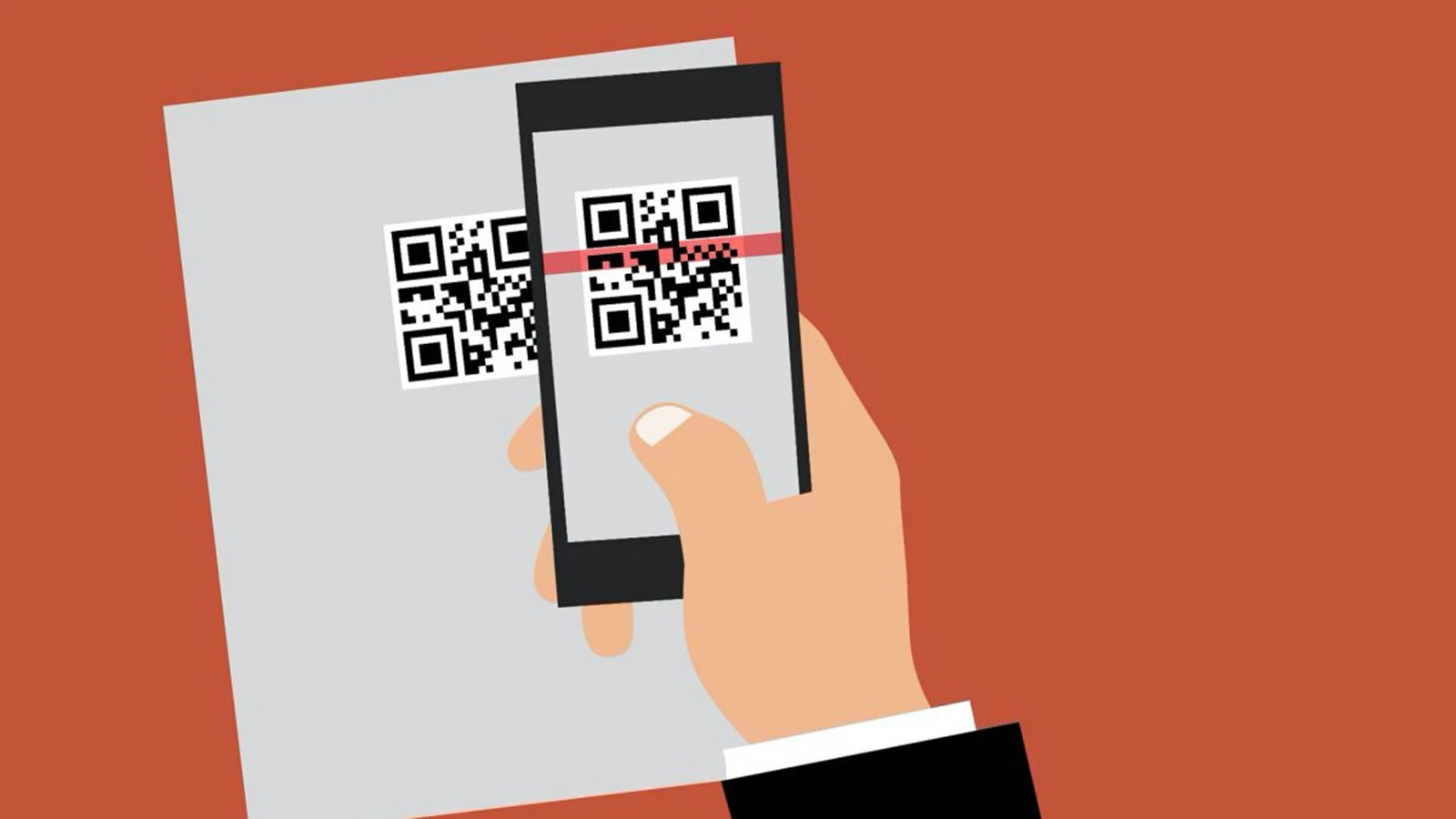

UPI and QR code scams have become one of the most common forms of digital payment fraud in India. As millions of people use mobile payments daily for shopping, bill payments, and money transfers, cybercriminals continue to develop new methods to trick users into sharing money or sensitive information.
Why UPI and QR Code Scams Are Increasing
UPI scams are growing because digital payments have become a part of everyday life. India processes billions of UPI transactions every month, making the platform an attractive target for fraudsters. Cybercriminals often exploit a lack of awareness rather than technical vulnerabilities.
Many scams rely on social engineering techniques. Fraudsters pretend to be customers, bank representatives, delivery agents, employers, or government officials. Their goal is usually to convince victims to approve a payment request, scan a fraudulent QR code, or disclose sensitive banking details.
The rapid adoption of digital payments in Tier-2 and Tier-3 cities has created new opportunities for fraudsters who target first-time digital payment users. Understanding how these scams work is the first step toward protecting yourself.
Understanding Common UPI Fraud Techniques
One of the most widespread scams involves fake payment requests. A fraudster may claim to be sending money but instead sends a “collect request.” If the victim approves the request, money is deducted from their account.
Another common fraud involves fake QR codes. Scammers may share a QR code claiming it is required to receive money, claim a refund, or complete a reward redemption. In reality, scanning a QR code and authorizing the transaction typically sends money rather than receives it.
Fraudsters also use fake customer care numbers, phishing links, investment schemes, job offers, and social media advertisements to lure victims. Some criminals create counterfeit websites and mobile applications that closely resemble legitimate banking or payment platforms.
Understanding these tactics can help users identify suspicious situations before any financial loss occurs.
Essential UPI Safety Tips for Everyday Users
The most important rule of UPI security is simple: you do not need to enter your UPI PIN to receive money. The PIN is only required when sending money or authorizing a payment.
Users should carefully read every payment request before approving it. If a notification indicates that money will be deducted, cancel the transaction immediately unless it is intentional.
Avoid sharing OTPs, UPI PINs, debit card details, passwords, or banking credentials with anyone. Banks, payment service providers, and government agencies do not ask customers to disclose such information over phone calls, messages, or emails.
Mobile devices should also be protected with screen locks, biometric authentication, and updated operating systems. These measures reduce the risk of unauthorized access.
How to Identify Fake QR Codes and Payment Requests
QR code fraud often occurs in online marketplaces, social media transactions, and second-hand buying platforms. Scammers frequently contact sellers and offer advance payment for products. They then send a QR code and instruct the seller to scan it to receive money.
In reality, the QR code initiates a payment from the seller’s account. This misunderstanding has led to significant financial losses for many users.
Before scanning any QR code, verify who sent it and why it is being used. If someone claims that scanning a QR code is necessary to receive money, treat it as a warning sign.
Always review the transaction details displayed on the payment app before authorizing any transaction. Genuine payment applications clearly indicate whether money is being sent or received.
What to Do If You Become a Victim
Immediate action can reduce the impact of financial fraud. If you suspect an unauthorized UPI transaction, contact your bank and payment service provider immediately. Most major payment platforms provide in-app complaint and dispute mechanisms.
Victims should also report incidents through the national cybercrime reporting system and preserve screenshots, transaction IDs, messages, and call records as evidence.
Prompt reporting increases the chances of investigation and can help authorities track fraudulent activity. Delaying action may reduce the possibility of recovering lost funds.
Users should also change passwords and review account security settings after any suspected compromise.
Building Long-Term Digital Payment Security Habits
Cybersecurity is not a one-time activity. Safe digital payment habits should become part of daily financial behavior. Users should regularly review bank statements, monitor transaction alerts, and update mobile applications only through official app stores.
Avoid clicking suspicious links received through SMS, WhatsApp, email, or social media. Verify customer support numbers directly from official websites and mobile applications rather than search engine advertisements or forwarded messages.
As digital payments continue to expand across India in 2026, awareness remains the strongest defense against financial fraud. Most scams succeed because victims are pressured into making quick decisions without verifying the details.
Key Takeaways
• Never enter your UPI PIN to receive money from another person.
• Verify every payment request and QR code before approving a transaction.
• Do not share OTPs, UPI PINs, passwords, or banking credentials with anyone.
• Report suspected fraud immediately to your bank and relevant authorities.
FAQ
Q1. Can a QR code be used to receive money?
Yes, merchants may use QR codes to receive payments. However, individuals should remember that scanning a QR code and authorizing a transaction generally results in money being sent, not received.
Q2. Is it safe to share my UPI ID?
Sharing a UPI ID is generally safe for receiving payments. However, users should never share their UPI PIN, OTP, or banking passwords.
Q3. What should I do if I accidentally approve a fraudulent UPI request?
Contact your bank and payment provider immediately, report the transaction, and preserve all related evidence for investigation.
Q4. Can banks reverse UPI scam transactions?
Recovery depends on the circumstances and how quickly the incident is reported. Immediate reporting improves the chances of resolution and investigation.
(UPI scams 2026, QR code fraud prevention, digital payment safety, cyber fraud awareness India, UPI security tips, online banking fraud, payment app scams, financial cybersecurity)