
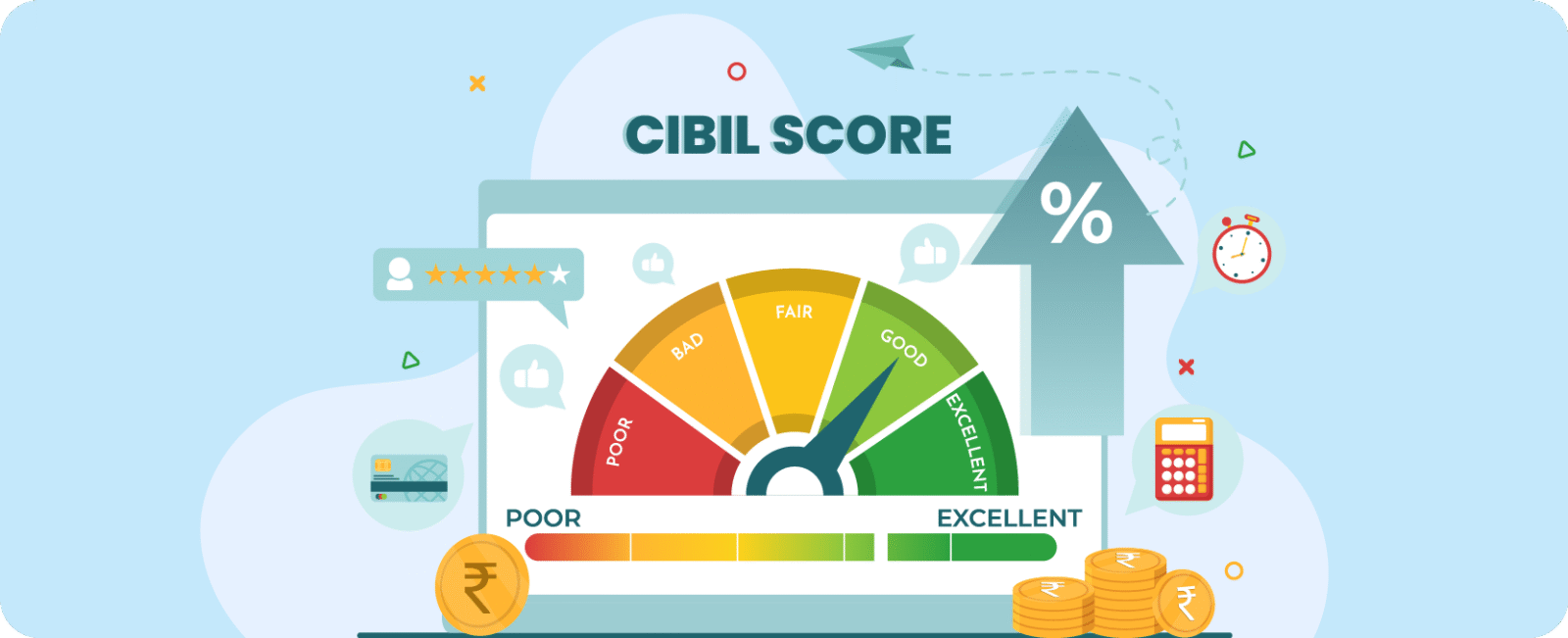

A good CIBIL score can significantly improve your chances of getting a loan approved at favorable interest rates. Before applying for a home loan, personal loan, or credit card in 2026, understanding and improving your credit score can help you avoid rejection and secure better financial terms.
Why Your CIBIL Score Matters for Loan Approval
A CIBIL score is a three-digit number that reflects an individual’s creditworthiness based on their borrowing and repayment history. In India, the score generally ranges from 300 to 900. Most lenders consider a score above 750 as a sign of responsible credit behavior, although approval criteria vary between banks and financial institutions.
When you apply for a loan, lenders review your credit score to assess risk. A higher score often increases the likelihood of approval and may result in lower interest rates. On the other hand, a low score can lead to higher borrowing costs or even loan rejection.
Because lenders increasingly rely on credit assessment tools, checking your score before submitting a loan application has become an important financial planning step.
How to Check Your CIBIL Score Online
Checking your CIBIL score has become easier with digital access. Individuals can obtain their credit report through authorized credit bureaus operating in India. These reports contain information about active loans, repayment history, credit card usage, and past credit inquiries.
When reviewing your report, pay close attention to details such as outstanding balances, missed payments, incorrect personal information, and accounts that do not belong to you. Even small errors can affect your credit profile.
Many people discover discrepancies only when applying for a loan. Reviewing your credit report in advance provides an opportunity to identify and address issues before they impact a lending decision.
Regular monitoring also helps detect potential fraud or unauthorized borrowing activity.
Common Factors That Affect Your Credit Score
Several factors contribute to your CIBIL score. Payment history is one of the most influential components. Consistently paying loan EMIs and credit card bills on time demonstrates financial discipline.
Credit utilization is another important factor. Using a large percentage of your available credit limit may indicate financial stress. Financial experts often recommend keeping credit utilization relatively low compared to the total credit limit.
The length of credit history also matters. Older accounts with a good repayment record can strengthen your profile. Frequent applications for loans or credit cards may result in multiple hard inquiries, which can temporarily affect your score.
Maintaining a balanced mix of secured and unsecured credit can also contribute positively over time.
Practical Ways to Improve Your CIBIL Score
Improving a credit score requires consistency rather than quick fixes. The first step is ensuring that all existing EMIs and credit card payments are made on time. Setting automatic payment reminders can help avoid missed due dates.
Reducing outstanding credit card balances can improve your credit utilization ratio. If you have multiple debts, prioritizing repayment of high-interest obligations may strengthen your financial profile.
Borrowers should also avoid applying for several loans simultaneously. Multiple credit applications within a short period can signal increased credit dependency.
If errors are found in a credit report, they should be disputed with the relevant credit bureau and lender. Correcting inaccurate information can sometimes lead to a meaningful improvement in the score.
Patience is important because credit score improvements typically occur gradually as positive repayment behavior is reported.
Mistakes to Avoid Before Applying for a Loan
Many applicants unknowingly damage their credit profile shortly before applying for financing. Closing old credit cards without careful consideration can reduce available credit history and affect utilization ratios.
Ignoring small overdue amounts can also create problems. Even minor unpaid dues may be reported and negatively impact credit records.
Co-signing loans for others carries risk as well. If the primary borrower misses payments, the guarantor’s credit profile may also be affected.
Applicants should avoid taking on unnecessary debt immediately before applying for a major loan. Lenders often evaluate recent borrowing behavior when making approval decisions.
A well-managed credit profile presents a stronger case for approval and better loan terms.
How Early Should You Start Improving Your Score?
Ideally, borrowers should review their credit score at least three to six months before applying for a loan. This provides enough time to correct errors, reduce outstanding balances, and establish a consistent payment record.
For major financial commitments such as home loans, starting even earlier can be beneficial. A stronger credit score not only improves approval chances but may also help reduce long-term borrowing costs through better interest rates.
Credit health should be viewed as an ongoing financial habit rather than a last-minute requirement before loan applications.
Key Takeaways
• A higher CIBIL score can improve loan approval chances and interest rate offers.
• Regularly reviewing your credit report helps identify errors and potential fraud.
• Timely payments and low credit utilization are among the most important factors affecting credit scores.
• Improving a credit score takes time, so preparation should begin several months before applying for a loan.
FAQ
Q1. What is considered a good CIBIL score for a loan?
A score above 750 is generally viewed favorably by many lenders, although approval requirements vary depending on the institution and loan type.
Q2. How often should I check my credit score?
Checking your score every few months can help you monitor changes, identify inaccuracies, and maintain healthy credit habits.
Q3. Does checking my own CIBIL score reduce it?
No. Checking your own credit report is considered a soft inquiry and does not negatively affect your credit score.
Q4. How long does it take to improve a CIBIL score?
The timeline depends on individual circumstances. Consistent repayment behavior and lower debt levels can gradually improve a score over several months.
(CIBIL score, credit score improvement, loan approval tips, how to check CIBIL score, credit report India, personal loan eligibility, home loan credit score, improve creditworthiness)