
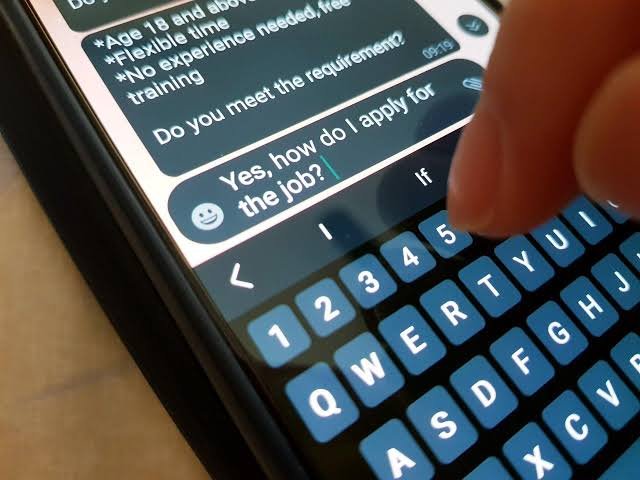

Fake job offers shared through WhatsApp and Telegram have become one of the fastest-growing online scams in India. Learning how to identify warning signs, verify recruiters, and protect your personal information can help job seekers avoid financial losses and identity theft.
Searching for jobs online has become easier than ever, but it has also created opportunities for cybercriminals. Fake job offers on WhatsApp and Telegram are increasingly targeting students, fresh graduates, homemakers, and professionals looking for better career opportunities. These scams often promise high salaries, work-from-home jobs, or instant hiring without interviews. While some messages appear genuine, many are designed to steal money, personal information, or banking details. Understanding how these scams work is the first step toward staying safe.
Why Fake Job Scams Are Increasing in India
India has witnessed a steady rise in digital fraud alongside the growth of online job searches. Messaging apps like WhatsApp and Telegram allow scammers to reach thousands of people within minutes. Many fake recruiters use company logos, professional-looking documents, and convincing language to appear legitimate.
These scams often target people living in Tier-2 and Tier-3 cities where awareness about online recruitment fraud may be lower. Job seekers looking for flexible work, remote jobs, or urgent employment are particularly vulnerable because scammers exploit their need for quick opportunities.
Government agencies and cybersecurity experts have repeatedly advised users never to trust unsolicited job messages without proper verification.
Common Signs of Fake Job Offers
Recognizing the warning signs can prevent you from becoming a victim.
One of the biggest red flags is receiving an unexpected job offer without applying for any position. Genuine employers usually contact candidates who have submitted applications or updated their profiles on recruitment portals.
Another common sign is the promise of unusually high salaries for simple tasks such as liking videos, rating products, typing documents, or completing basic online activities. Legitimate companies rarely offer large payments for minimal work.
Scammers also create urgency by saying that only a few positions remain or asking candidates to respond immediately. Pressure tactics are intended to stop people from thinking carefully before sharing personal information.
Poor grammar, spelling mistakes, unofficial email addresses, and incomplete company details are additional indicators that the offer may not be genuine.
How to Verify a Recruiter Before Responding
Before accepting any job opportunity, spend a few minutes verifying the recruiter.
Visit the company’s official website and check whether the vacancy actually exists. Compare the recruiter’s email address and phone number with the contact details published by the company.
Search the recruiter’s name on professional networking platforms such as LinkedIn. Genuine recruiters usually have an established professional profile and employment history.
If the message claims to represent a well-known company, contact the company directly through its official customer support or HR department to confirm whether the recruitment is genuine.
You can also search online for complaints related to the phone number or Telegram username. Many scam numbers have already been reported by previous victims.
Never Pay Money for a Job Opportunity
One of the clearest signs of recruitment fraud is a request for payment.
Fraudsters may ask candidates to pay registration charges, document verification fees, training costs, laptop deposits, or security money before joining. They often promise that the amount will be refunded after employment.
Legitimate employers generally do not charge candidates for interviews or job offers. While certain government recruitment examinations require official application fees, those payments are made only through authorized government portals.
If anyone asks you to transfer money through UPI, bank transfer, gift cards, or cryptocurrency in exchange for employment, treat it as a major warning sign.
Protect Your Personal Information During Job Searches
Identity theft has become a serious concern in online recruitment scams.
Avoid sharing Aadhaar details, PAN card copies, passport information, bank account numbers, OTPs, debit card details, or complete personal documents before verifying the employer’s authenticity.
Even if documents are required during recruitment, sensitive information should only be submitted through official company portals after confirming that the job offer is genuine.
Enable two-factor authentication on your email and messaging accounts to reduce the risk of unauthorized access if scammers obtain your contact information.
What to Do If You Receive a Suspicious Job Message
Do not click on unknown links or download attachments sent by unfamiliar contacts. Avoid joining suspicious Telegram groups that promise guaranteed income or instant recruitment.
Block the sender and report the account through WhatsApp or Telegram. If you have already shared financial information or transferred money, immediately contact your bank to report the transaction.
Victims of cyber fraud can also report incidents through India’s National Cyber Crime Reporting Portal or contact the national cybercrime helpline for immediate assistance.
Staying alert, verifying every opportunity, and avoiding rushed decisions remain the best defenses against online job scams.
Takeaways
- Verify every recruiter through the company’s official website before responding.
- Never pay registration fees, security deposits, or processing charges for private job offers.
- Protect personal documents, banking information, and OTPs from unknown recruiters.
- Report suspicious WhatsApp and Telegram job scams immediately to reduce the risk for others.
Frequently Asked Questions
Q1. Are all WhatsApp job offers fake?
No. Some legitimate recruiters may contact candidates through WhatsApp after an application has been submitted. However, every offer should be verified independently before sharing personal information.
Q2. Can companies ask for money during recruitment?
Most legitimate private employers do not charge candidates for recruitment. Any request for advance payment should be treated with caution.
Q3. How can I check if a recruiter is genuine?
Verify the company website, official email address, LinkedIn profile, and published job openings. Contact the company’s HR department if you have any doubts.
Q4. What should I do if I already shared my bank details?
Immediately inform your bank, monitor your accounts for suspicious activity, change important passwords if necessary, and report the incident through the National Cyber Crime Reporting Portal or the cybercrime helpline.
(Internal Keyword Suggestions: fake job offers on WhatsApp, Telegram job scams, online job fraud India, fake recruiter warning signs, work from home scams, recruitment scam prevention, cyber safety for job seekers, verify job offers, WhatsApp employment scam, Telegram recruitment fraud)