
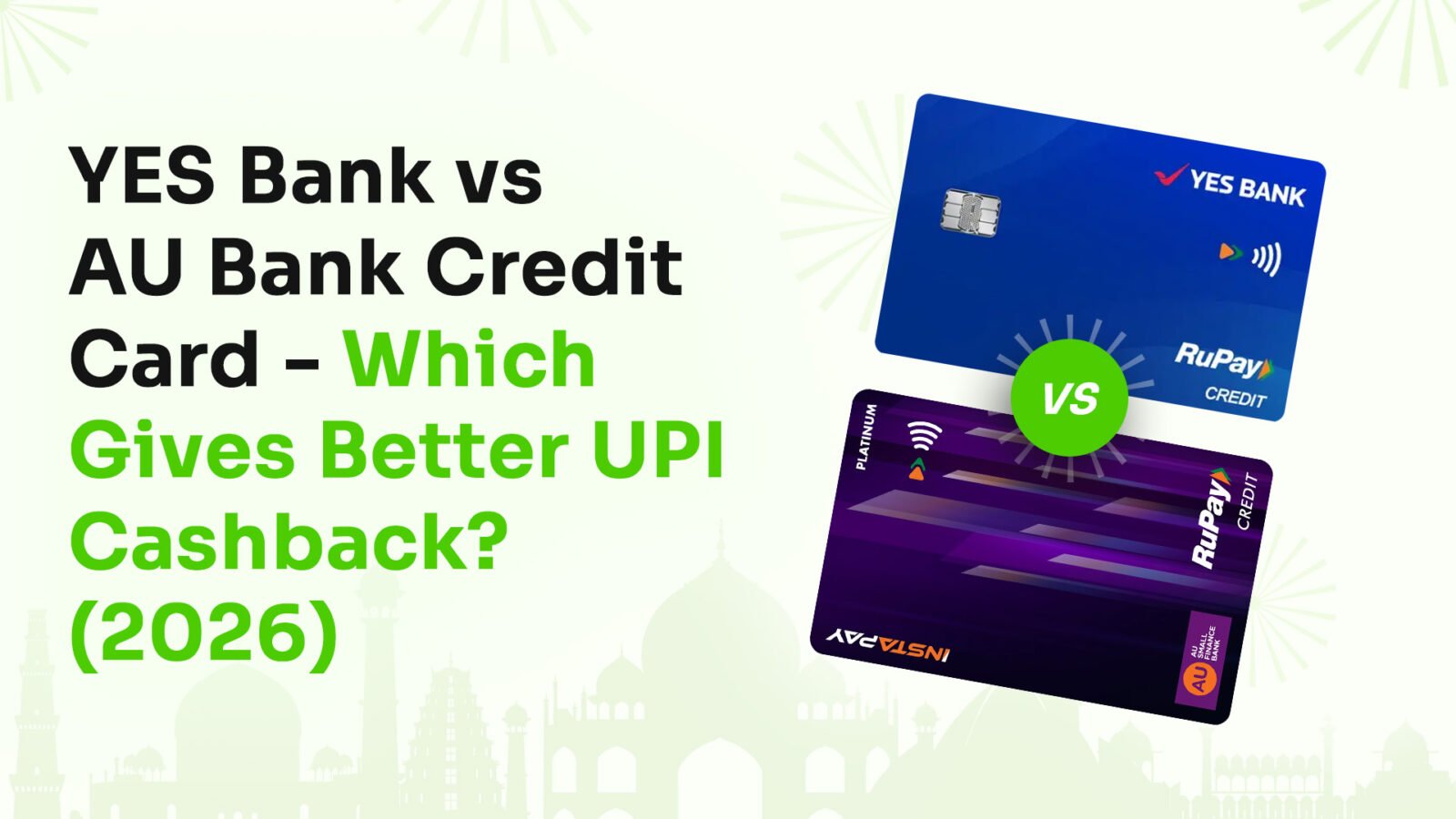

Comparing UPI payments, cashback rewards and bank card offers can help Indian consumers save money on everyday purchases, online shopping and major household expenses. However, the biggest advertised discount is not always the best deal. Understanding eligibility rules, transaction limits, reward conditions and the final payable amount can help shoppers make smarter payment decisions.
UPI Payments vs Cashback Offers: Understanding the Difference
Unified Payments Interface (UPI) has become a widely used payment method in India. Developed by the National Payments Corporation of India (NPCI), UPI enables instant bank-to-bank transfers through participating payment applications. It is commonly used for grocery shopping, restaurant bills, utility payments and online purchases.
The primary advantage of UPI is convenience. Customers can make payments directly from their linked bank accounts without carrying cash or entering card details for every transaction.
Cashback, however, is a reward rather than a payment method. It may be offered through a UPI application, a bank, a credit card or a shopping platform. The benefit can depend on the merchant, payment instrument, transaction amount and offer period.
For example, a shopping platform may advertise cashback for customers paying through a particular UPI application. Another retailer might provide an instant discount for an eligible bank card.
Consumers should therefore distinguish between the payment method and the promotional benefit attached to it. A payment option is not automatically cheaper simply because it is digital or offers rewards.
How to Compare Instant Discounts and Cashback Rewards
One of the first things shoppers should check is whether an offer provides an instant discount or cashback after the purchase.
An instant discount reduces the amount payable during checkout. Cashback generally provides a benefit after an eligible transaction, although the crediting method and timing depend on the offer’s terms.
Consider a hypothetical purchase worth ₹5,000.
An eligible bank card might offer an instant discount of ₹500, reducing the checkout amount to ₹4,500. Another payment method might provide 10% cashback, also worth ₹500, but only after the transaction qualifies under the promotion.
Although the advertised benefit is identical, the experience can differ. The instant discount reduces the immediate payment, while cashback may require the customer to wait for the reward to be credited.
Some cashback offers also have maximum limits, exclusions or restrictions on eligible purchases. A 10% cashback offer capped at ₹200 provides a maximum benefit of ₹200, even on a much larger purchase.
Before choosing a payment method, check the actual benefit you can receive, when it will arrive and whether it can be used as cash or only as platform credit.
Bank Card Offers: Minimum Spending Limits and Eligibility
Bank card discounts often come with conditions that are easy to overlook. These may include minimum transaction values, eligible card variants, specific merchants, product exclusions and limited offer periods.
For instance, an offer might provide a 5% instant discount on purchases above ₹10,000, subject to a maximum discount of ₹1,000. A customer purchasing an eligible product worth ₹20,000 could qualify for a ₹1,000 discount because of the cap.
However, the offer may be available only on selected debit or credit cards. A co-branded card, corporate card or card issued under a different variant might not qualify.
Official bank offer pages demonstrate why checking the terms matters. Some offers also require customers to use a specific EMI tenure or make a transaction within a defined promotional period.
Shoppers should verify the following details before paying:
- The eligible bank and card variant.
- The minimum purchase amount.
- The maximum discount available.
- Whether the offer applies to full payment or EMI transactions.
- Whether the purchase category or product is excluded.
- The offer’s start and end dates.
Reading these conditions before checkout is more useful than relying only on a banner advertising a large discount.
How to Calculate the Real Savings on a Purchase
The most reliable way to compare payment offers is to calculate the final cost after accounting for discounts, cashback and any additional charges.
Suppose a customer wants to purchase a household appliance priced at ₹20,000. Three payment options are available under hypothetical promotional terms.
| Payment option | Advertised benefit | Effective cost |
|---|---|---|
| UPI with no offer | ₹0 | ₹20,000 |
| Eligible card with instant discount | ₹1,000 | ₹19,000 |
| Eligible payment method with 5% cashback capped at ₹500 | ₹500 | ₹19,500 |
In this example, the eligible card with the instant discount provides the lowest effective cost, assuming all conditions are met and no additional charges apply.
The calculation can change when a cashback offer has a higher limit, when a bank discount applies only to a particular product, or when an EMI transaction introduces interest or processing charges.
Customers should also check whether the displayed purchase price already includes another promotion. Some offers cannot be combined, and certain discounts may apply only to the amount charged to the eligible card.
The key principle is simple: compare the final cost rather than the headline percentage.
UPI Cashback and Bank Rewards: What Consumers Should Check
UPI-linked promotions can vary by application, merchant and campaign. Some provide cashback, while others may offer coupons, vouchers or rewards that can be redeemed only under specific conditions.
Bank card rewards also differ. A credit card may provide reward points on eligible spending instead of direct cashback. The monetary value of those points depends on the bank’s redemption rules and available redemption options.
For example, 1,000 reward points should not automatically be treated as ₹1,000 in savings. Their value depends on the applicable conversion rate and whether the customer can redeem them for something they actually need.
It is also important to check whether an offer is personalised. Some bank promotions are available only to selected customers who receive an official email, SMS or in-app notification.
Customers should read the full terms on the bank’s or merchant’s official website rather than assuming that a promotion applies to every cardholder.
Credit Card EMI Offers: Are They Always Worth It?
Credit card EMI offers can make expensive purchases easier to manage by spreading payments across several months. However, an EMI discount does not necessarily mean that the purchase is cheaper overall.
Customers should compare the total repayment amount, including interest, processing fees and applicable taxes, with the amount payable under a regular transaction.
For example, an appliance may come with an instant discount when purchased through a qualifying EMI plan. If the EMI option also involves additional charges, those costs can reduce the benefit of the discount.
No-cost EMI offers should also be examined carefully. Customers should check the repayment schedule, any processing fee, the applicable interest terms and whether a separate discount or reward is forfeited when choosing EMI.
An EMI purchase may suit someone who needs to manage cash flow, but it should not encourage spending beyond the planned budget.
For smaller purchases that can be paid for comfortably, a straightforward transaction with a genuine instant discount may be easier to evaluate.
Common Mistakes to Avoid While Using Payment Offers
A common mistake is spending more than necessary to reach a minimum transaction value. If a customer adds an unwanted item simply to qualify for cashback, the extra spending may exceed the benefit.
Another mistake is overlooking the maximum reward limit. An offer advertised as 10% cashback might sound attractive, but the actual benefit could be much smaller if the maximum cashback is restricted.
Customers should also avoid assuming that all offers can be combined. A coupon code, platform discount, bank offer and cashback promotion may not be available together.
Payment safety matters as well. Never share a UPI PIN, OTP or banking password with someone claiming to help activate a cashback reward. NPCI advises users not to share their UPI PIN, and the Reserve Bank of India has also highlighted the risks of disclosing sensitive payment information.
Finally, verify that the transaction has succeeded and keep the payment confirmation. If cashback does not arrive within the stated period, review the offer conditions and contact the relevant bank, merchant or payment application’s official support channel.
A Simple Checklist Before Choosing Your Payment Method
Before completing an online or offline purchase, compare the offers available for the exact product and payment amount.
First, check whether the discount applies to the item in your cart. Then confirm the minimum spending requirement and maximum benefit. Next, calculate the amount payable after the discount and any additional charges.
If the offer provides cashback or reward points, check how and when the benefit will be credited. For EMI purchases, calculate the total repayment instead of comparing only the advertised discount.
Consumers should also consider convenience and spending discipline. There is little value in opening a new credit account or buying an unnecessary product simply to receive a small reward.
The best payment method is the one that meets the purchase requirements, offers genuine savings and does not create additional financial costs or security risks.
Key Takeaways
- Compare the final payable amount instead of choosing a payment method based only on the advertised discount.
- Check minimum spending requirements, cashback limits, card eligibility and offer validity before making a purchase.
- Calculate EMI interest, processing fees and the value of reward points before treating them as savings.
- Never share your UPI PIN or OTP to claim cashback, and verify offers through official bank or merchant channels.
Frequently Asked Questions
1. Is UPI better than a credit card for online shopping?
It depends on the transaction and available offers. UPI may be convenient for direct bank payments, while an eligible credit card may provide an instant discount or rewards. Compare the final cost and applicable conditions before deciding.
2. What is the difference between instant discount and cashback?
An instant discount reduces the amount payable during checkout. Cashback is generally credited after an eligible transaction according to the offer’s terms. The crediting method, timing and maximum benefit can vary.
3. How can I check whether a bank card offer is genuine?
Check the bank’s official website or application and read the offer’s terms and conditions. Confirm the eligible card, merchant, minimum transaction value, maximum benefit and validity period. Avoid links from unknown senders that request sensitive banking information.
4. Can I combine UPI cashback with a bank card discount?
Not necessarily. Combining offers depends on the specific promotion, payment method and merchant rules. Some discounts cannot be combined, and certain card offers may exclude particular transaction types. Check the applicable terms before checkout.