
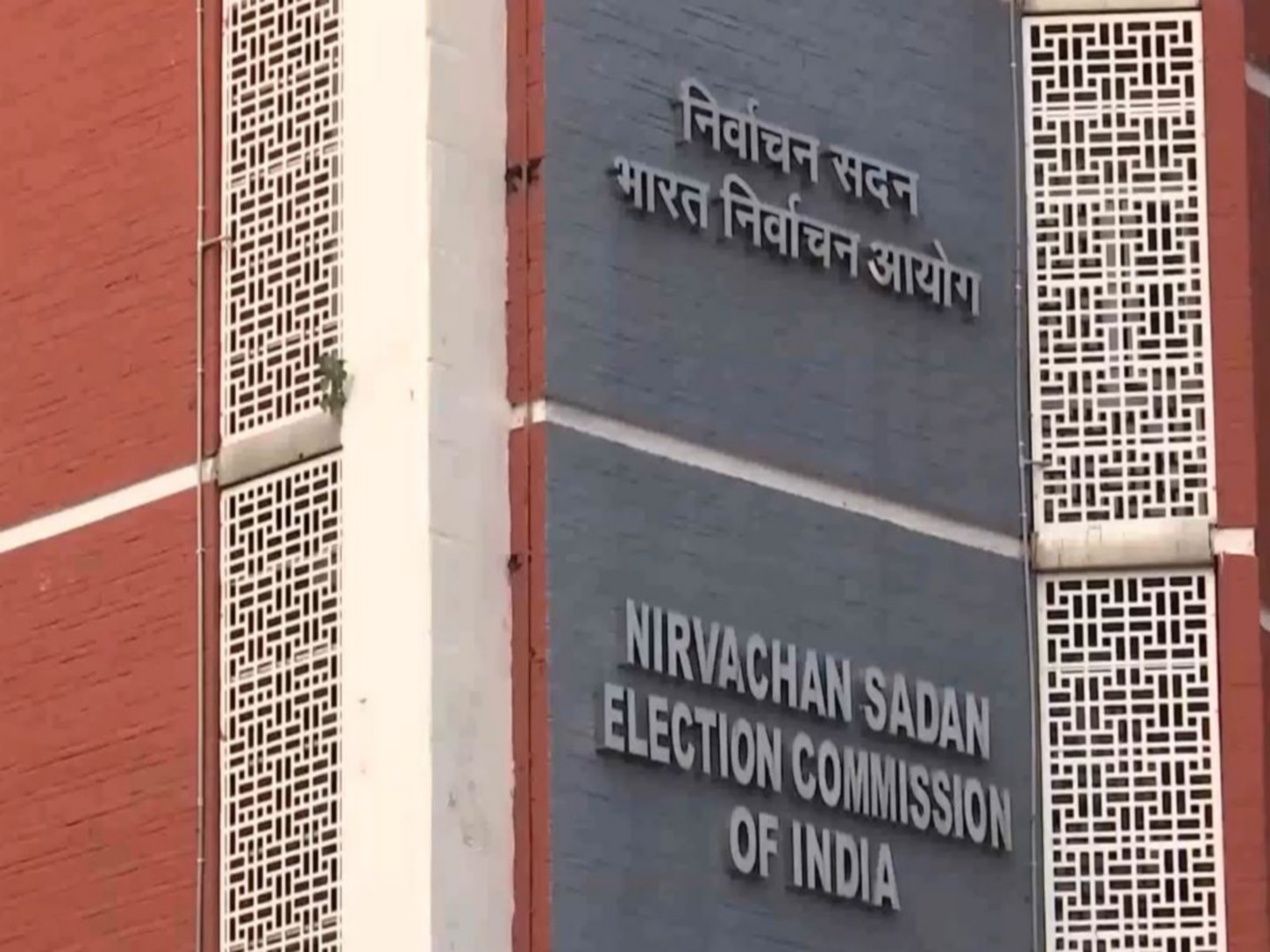

The Election Commission of India has ordered a Special Summary Revision (SSR) of electoral rolls in 17 states and Union Territories, with 1 January 2027 set as the qualifying date. The exercise will give eligible citizens an opportunity to register as voters, correct personal details and flag errors in existing voter lists ahead of upcoming elections.
Election Commission Announces Special Summary Revision of Voter Lists
The Election Commission of India (ECI) has directed election authorities in 17 states and Union Territories to undertake a Special Summary Revision of electoral rolls. The decision, announced on 15 October 2026 and reported on 16 October, is aimed at improving the accuracy and completeness of voter lists.
The revision is particularly important for young citizens who have recently become eligible to vote, people whose names are missing from electoral rolls and voters who need to correct errors in their existing entries.
The qualifying date for this exercise is 1 January 2027. This means eligibility for the relevant revision will be assessed with reference to that date, subject to the applicable legal requirements.
The exercise also comes ahead of Assembly elections expected in several states in 2027. Accurate electoral rolls are essential to ensure that eligible citizens can exercise their voting rights without avoidable administrative difficulties.
Which 17 States and Union Territories Are Covered?
The Election Commission has identified the following states and Union Territories for the current Special Summary Revision:
- Andaman and Nicobar Islands
- Assam
- Bihar
- Chhattisgarh
- Goa
- Gujarat
- Kerala
- Lakshadweep
- Madhya Pradesh
- Manipur
- Puducherry
- Punjab
- Rajasthan
- Tamil Nadu
- Uttar Pradesh
- Uttarakhand
- West Bengal
The programme covers regions with different electoral needs, from major states with large populations to smaller Union Territories. The process is intended to help authorities identify eligible voters who have not registered, correct inaccurate information and address discrepancies in electoral records.
The Election Commission has also indicated that separate schedules will be announced for states and Union Territories where the Special Intensive Revision is ongoing or has recently been completed. Therefore, voters should check the schedule applicable to their own state instead of assuming that every region will follow the same dates.
What Is Special Summary Revision and Why Is It Important?
A Special Summary Revision is an exercise to update existing electoral rolls. It allows eligible citizens to apply for registration and gives registered voters an opportunity to request corrections or raise objections regarding entries.
The process helps address several common problems. A first-time voter may have turned 18 but may not yet appear on the electoral roll. Another voter may find a spelling mistake in their name or an incorrect address. Electoral records may also contain entries that need verification because a person has died or no longer resides at the recorded address.
Updating these records helps improve the reliability of voter lists. However, the process must also protect the rights of eligible citizens. A discrepancy should not automatically be treated as proof that a person is ineligible to vote.
Voters should review their entries carefully and follow the official procedure if they discover an error or omission.
SSR and SIR: What Is the Difference?
The Special Summary Revision (SSR) and Special Intensive Revision (SIR) are both related to electoral-roll accuracy, but they are different exercises.
SSR generally focuses on updating existing voter lists through the prescribed registration, correction and objection procedures. It provides an opportunity to add eligible voters and rectify inaccurate entries.
SIR is a more intensive verification exercise conducted under a separate programme. It can involve more extensive verification of existing electoral records and additional steps specified by the Election Commission.
The distinction matters because the process, documentation requirements and deadlines may differ. Voters should not assume that instructions issued for an SIR exercise automatically apply to the current SSR.
For citizens, the most practical step is to follow the official instructions issued for their state and use the forms specified for the relevant request.
How Can Eligible Citizens Add Their Names to the Voter List?
Citizens who believe they are eligible to vote but do not appear on the electoral roll should check their registration status and submit the appropriate application.
Form 6 is generally used for the inclusion of an eligible elector’s name in the electoral roll. Applicants should provide accurate information and the supporting documents required under the applicable instructions.
The Election Commission’s Voters’ Service Portal allows citizens to access voter-registration services and search electoral information online. Applicants can use the official portal at voters.eci.gov.in to identify the appropriate service and follow the current procedure.
Citizens can also seek assistance from their local election office or Booth Level Officer (BLO) if they have questions about registration or their application.
Young people approaching voting age should pay attention to the qualifying dates and application rules. The eligibility date is important, but turning 18 alone does not automatically guarantee that a person’s name has been entered on the electoral roll. Registration and inclusion must be completed through the applicable process.
Which Forms Are Used to Correct or Update Voter Details?
The relevant forms depend on the type of request being made.
- Form 6: Used to apply for inclusion of an eligible person’s name in the electoral roll.
- Form 7: Used for objections to an entry and applications concerning deletion of names, subject to the applicable rules.
- Form 8: Used for corrections to entries and other permitted changes, including address shifting within the electoral system.
Voters should select the form that matches their requirement and submit accurate information. Applications to delete an entry should not be used casually, and a voter should not assume that another person’s name can be removed merely because of an address difference.
The election authorities process applications according to the applicable rules. Where verification or additional information is required, applicants should respond through the official procedure.
Important Dates Voters Should Know
The announced programme uses 1 January 2027 as its qualifying date. The draft electoral rolls are scheduled for publication on 12 November 2026, followed by a period for claims and objections. The final electoral rolls are scheduled for publication on 4 January 2027.
These dates give voters an opportunity to check their details and raise concerns before the final list is prepared. However, applicants should confirm the latest schedule and any state-specific instructions through official election authorities, particularly if their state is following a separate revision timetable.
Voters should not wait until election day to discover that their names are missing. Checking the electoral roll in advance provides time to submit an application, correct an error or seek clarification about an entry.
What Should Voters Do Now?
Citizens in the 17 covered states and Union Territories should begin by checking whether their names appear correctly in the electoral roll. Those who have recently moved, become eligible to vote or noticed an error should review the applicable registration and correction procedures.
It is also important to keep application details and acknowledgements for future reference. If a request is rejected or an objection is raised, voters should follow the official instructions for seeking clarification or using the available remedy.
The revision is an administrative exercise, but its outcome directly affects voters’ ability to participate in elections. Timely registration, accurate records and awareness of official deadlines can help reduce avoidable problems.
Key Takeaways
- The Election Commission has ordered a Special Summary Revision in 17 states and Union Territories.
- The qualifying date for the current exercise is 1 January 2027.
- Form 6 is generally used for inclusion, Form 7 for objections and deletion-related requests, and Form 8 for corrections and permitted changes.
- Voters should check the draft roll, follow the applicable claims and objections process, and verify deadlines through official election authorities.
Frequently Asked Questions
1. What is the purpose of the voter roll revision in 2026?
The purpose is to update electoral rolls by registering eligible voters, correcting inaccurate details and addressing discrepancies in existing entries.
2. What is the qualifying date for the current revision?
The qualifying date is 1 January 2027. Voters should consult the official instructions to understand how eligibility and registration deadlines apply to their circumstances.
3. How can I check whether my name is on the voter list?
Visit the Election Commission’s official Voters’ Service Portal at voters.eci.gov.in and use the available electoral-roll search service. You can also contact the relevant local election office for assistance.
4. What should I do if my name is missing from the voter list?
Check your eligibility and submit the appropriate inclusion application, generally Form 6, through the official process. Keep the acknowledgement and follow up with the relevant election authority if necessary.