
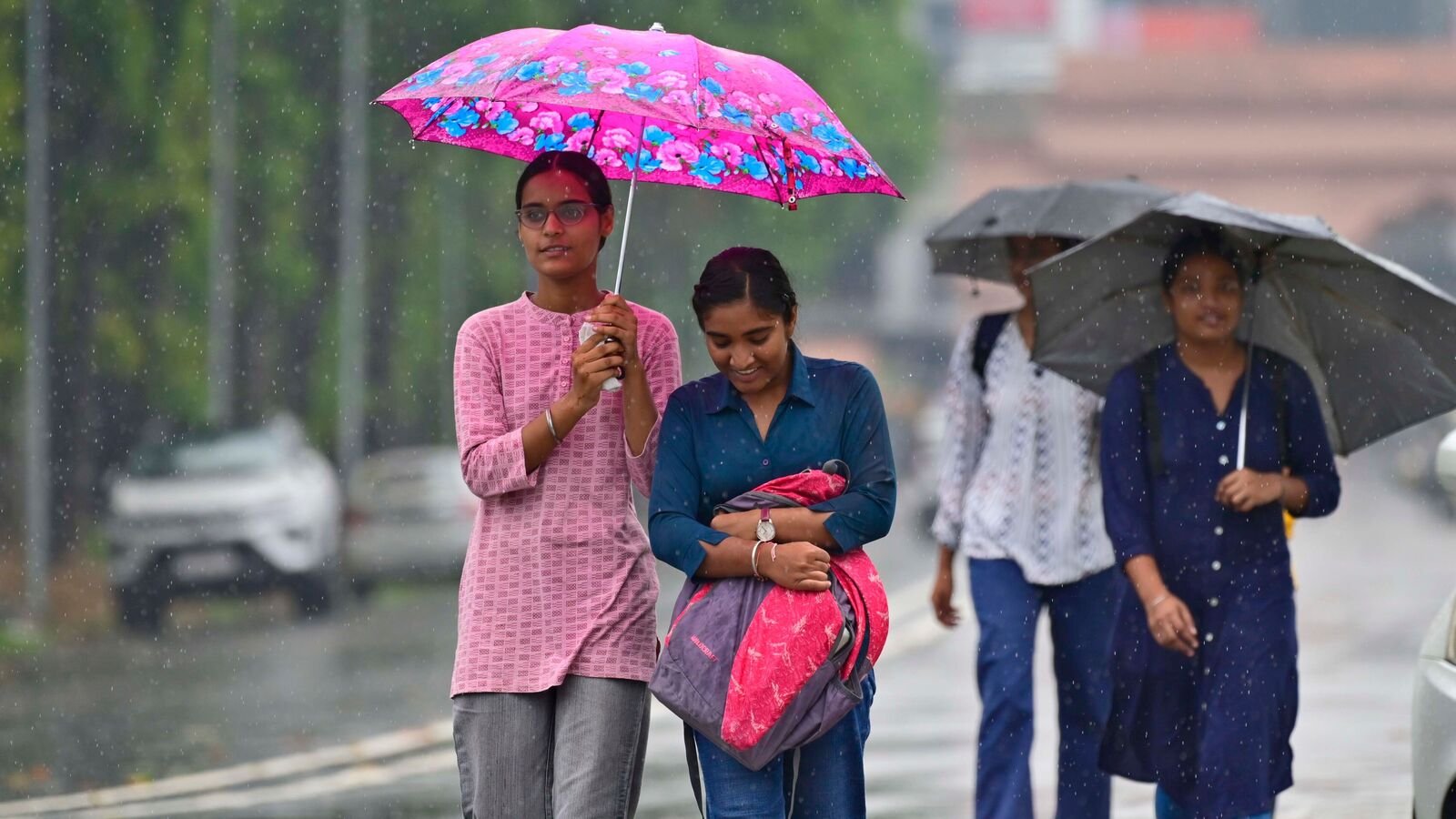

Heavy monsoon rains can disrupt daily life through flooding, waterlogging, power outages, and transport delays. This practical guide explains how families in India’s small cities can prepare for heavy rainfall, reduce risks, and respond safely during weather emergencies.
Heavy monsoon rains can arrive with little warning, making how to stay safe during heavy monsoon rains an important concern for families across India. With the India Meteorological Department issuing frequent rainfall alerts during the active monsoon season, residents of Tier-2 and Tier-3 cities should be prepared for sudden flooding, strong winds, lightning, and disruptions to electricity and transport.
Unlike major metro cities, smaller towns often face additional challenges such as limited drainage infrastructure, slower emergency response, and fewer public shelters. A little preparation before heavy rain begins can significantly improve your family’s safety.
Understand Weather Alerts Before Leaving Home
One of the easiest ways to stay safe is to monitor official weather forecasts. The India Meteorological Department regularly issues Yellow, Orange, and Red alerts based on the expected severity of rainfall.
A Yellow Alert means residents should remain aware of changing weather conditions. An Orange Alert indicates people should be prepared for possible disruptions. A Red Alert signals extremely heavy rainfall or dangerous weather where unnecessary travel should be avoided.
Before leaving home, check your district’s weather forecast and avoid relying on social media rumours or unverified forwards. Official weather updates are more reliable and help families make informed decisions about school, work, or travel.
Monsoon Safety Tips for Families at Home
Many accidents during heavy rainfall happen inside or around homes.
Clean rooftop drains and rainwater outlets before continuous rainfall begins. Remove leaves, plastic waste, and debris that may block water flow.
Keep emergency supplies ready, including drinking water, dry food, flashlights, batteries, candles, power banks, essential medicines, and copies of important documents stored in waterproof folders.
If water begins entering your house, switch off the main electricity supply if it is safe to do so. Never touch electrical appliances with wet hands or while standing in water.
Families living near rivers, lakes, or low-lying areas should identify safer locations in advance in case evacuation becomes necessary.
Safe Travel During Heavy Rainfall
Travel becomes one of the biggest risks during intense monsoon showers.
Avoid driving through flooded roads. Even shallow-looking water may hide open drains, potholes, or damaged roads. Vehicles can also stall unexpectedly in waterlogged areas.
Motorcyclists should wear reflective rain gear and reduce speed, as braking distances increase on wet roads.
Pedestrians should stay away from overflowing drains and avoid walking through fast-moving water. Children should never be allowed to play near flooded roads, canals, or streams.
Public transport schedules may change during severe weather, so check local updates before travelling. In several parts of India, heavy rainfall has recently caused transport disruptions and temporary closures of schools and public services.
Protect Children, Elderly Family Members and Pets
Young children and senior citizens are more vulnerable during prolonged rainfall.
Ensure children understand basic monsoon safety rules, including avoiding electric poles, flooded playgrounds, and waterlogged streets.
Older family members who depend on regular medication should maintain at least a week’s supply. If anyone requires electricity-powered medical equipment, keep backup arrangements ready whenever possible.
Pets should remain indoors during thunderstorms. Standing water can expose animals to infections and injuries from hidden debris.
Families should also watch for symptoms of waterborne diseases such as diarrhoea, fever, vomiting, and skin infections, which often increase during the rainy season.
Stay Safe During Lightning and Power Outages
Heavy rainfall is often accompanied by lightning and strong winds.
If thunder is heard, move indoors immediately. Avoid standing under isolated trees or near electric poles. Stay away from open fields and water bodies until the storm passes.
Unplug sensitive electronic devices if lightning activity is intense to reduce the risk of power surge damage.
Keep rechargeable lights fully charged whenever rainfall warnings are issued. Mobile phones should remain adequately charged so emergency communication remains possible during extended outages.
Community Preparedness Matters in Small Cities
Neighbourhood cooperation plays an important role during monsoon emergencies.
Residents can report blocked drains, fallen trees, damaged electric lines, or overflowing sewage to local municipal authorities before conditions worsen.
Apartment societies and residential colonies should maintain emergency contact lists, identify elderly residents needing assistance, and ensure basic first-aid supplies remain available.
Community awareness often helps reduce accidents faster than individual efforts alone, especially where emergency services may take longer to reach affected areas.
Takeaways
- Follow official IMD weather alerts before making travel plans during heavy rainfall.
- Keep emergency supplies, medicines, drinking water, and important documents ready throughout the monsoon.
- Avoid flooded roads, open drains, and electrical hazards during storms.
- Community preparedness and timely reporting of local hazards improve safety for everyone.
Frequently Asked Questions
Q1. What should families do when a Red Alert is issued?
Avoid unnecessary travel, stay indoors whenever possible, monitor official weather updates, and keep emergency supplies ready.
Q2. Is it safe to drive through waterlogged roads?
No. Floodwater may conceal deep potholes, damaged roads, or open manholes that can cause serious accidents.
Q3. What items should every household keep during the monsoon?
Drinking water, dry food, flashlights, batteries, power banks, medicines, first-aid supplies, and waterproof storage for important documents.
Q4. Where should people check official weather warnings?
The India Meteorological Department provides district-wise forecasts, rainfall warnings, and weather advisories through its official website and authorised platforms.