
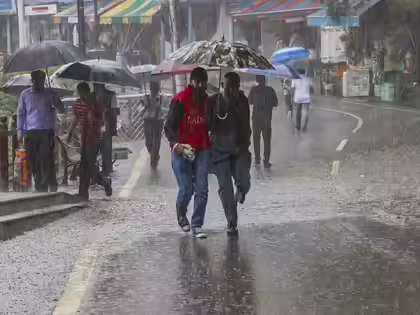

The India Meteorological Department (IMD) has issued heavy rainfall alerts for several states as active monsoon conditions continue. Residents in Tier 2 and Tier 3 cities should take early precautions to reduce flood risks, protect their families, and avoid unnecessary emergencies.
The IMD heavy rain alert issued for several parts of India highlights the need for timely preparation, especially in smaller cities where drainage infrastructure and emergency response systems may be limited. As of 17 July 2026, the India Meteorological Department has forecast heavy to very heavy rainfall in parts of Odisha, Uttar Pradesh, Bihar, West Bengal, Uttarakhand, the Northeast, and several other regions due to active monsoon conditions. Localized flooding, waterlogging, thunderstorms, and disruptions to road transport are possible in vulnerable districts.
For residents living in small towns and semi-urban areas, taking preventive action before heavy rain begins is often more effective than responding after floodwaters rise.
Understand the IMD Alert Before Taking Action
The IMD uses color-coded weather warnings to communicate the severity of expected weather conditions.
A Yellow Alert indicates that people should stay informed and monitor updates.
An Orange Alert advises residents to be prepared for severe weather that could disrupt normal activities.
A Red Alert signals extremely severe conditions where immediate precautions and compliance with local administration advisories are necessary.
Before making travel or work plans, check the latest weather bulletin for your district through official IMD channels or local administration announcements. Weather conditions can change quickly during the monsoon season, particularly when low-pressure systems become active.
Prepare Your Home Before Heavy Rain Starts
Flood preparation begins long before water enters the streets.
Residents should inspect rooftops, balconies, windows, and drainage outlets to ensure rainwater can flow freely. Remove leaves, plastic waste, and debris that could block drains around your house.
If you live in a low-lying area, move valuable items, important documents, electronics, and electrical appliances to higher shelves or upper floors whenever possible.
Charge mobile phones, power banks, rechargeable lights, and emergency torches in advance. Keep clean drinking water, dry food, basic medicines, and a first-aid kit readily available in case power cuts or road closures affect supplies.
Simple preparations can significantly reduce damage during short-term flooding.
Stay Safe While Travelling During Heavy Rain
Many flood-related accidents occur because people underestimate waterlogged roads.
Avoid driving through flooded streets if the depth of water cannot be judged. Even shallow moving water can stall vehicles or conceal open drains and damaged roads.
Motorcyclists should reduce speed on wet roads, while pedestrians should avoid walking through flowing water whenever possible.
If local authorities advise against travel, postpone non-essential journeys until weather conditions improve.
Public transport services may also experience delays due to waterlogging, fallen trees, or poor visibility during intense rainfall.
Protect Your Family During Flood Conditions
Families should discuss an emergency plan before severe weather arrives.
Ensure every household member knows emergency contact numbers and a safe meeting point if communication becomes difficult.
Keep elderly family members, children, and people with medical conditions away from flooded areas. If water begins entering your home, switch off the main electricity supply only if it is safe to do so.
Do not touch electrical equipment while standing in water.
Residents living near rivers, streams, dams, or hill slopes should closely monitor official evacuation instructions, as water levels can rise rapidly during continuous rainfall.
Be Alert to Common Monsoon Hazards
Flooding is only one of several risks associated with heavy rainfall.
Residents should remain cautious of:
- Waterlogging on roads.
- Flash floods in low-lying areas.
- Falling trees and electric poles.
- Lightning during thunderstorms.
- Landslides in hilly regions.
- Overflowing drains and open manholes.
People should also avoid standing under trees during lightning activity and stay away from swollen rivers, canals, and streams even after rainfall appears to have reduced.
Heavy rain may continue upstream, causing water levels to rise unexpectedly.
Keep Following Official Updates
Weather forecasts are updated regularly as monsoon systems evolve.
Residents should rely on official IMD forecasts, district administration announcements, and State Disaster Management Authority advisories instead of unverified social media posts or forwarded messages.
Many state governments also issue localized alerts through mobile notifications, official social media accounts, and emergency communication channels.
Staying informed allows families to respond quickly if rainfall intensity increases or evacuation advisories are issued.
Why Early Preparation Makes a Difference
Small cities often experience localized flooding because of blocked drainage systems, narrow roads, and rapid urban development. Even moderate rainfall can cause temporary waterlogging in vulnerable neighborhoods.
Preparing before heavy rain arrives helps reduce panic, minimizes property damage, and improves personal safety. A few precautionary measures, such as protecting important documents, avoiding unnecessary travel, and monitoring official forecasts, can make a significant difference during the monsoon season.
With active rainfall expected in several parts of the country, residents should remain alert, follow local advisories, and prioritize safety until weather conditions stabilize.
Takeaways
- Check IMD weather alerts regularly and understand the meaning of Yellow, Orange, and Red warnings.
- Prepare your home by clearing drains, charging essential devices, and storing emergency supplies.
- Avoid travelling through flooded roads and follow local administration advisories.
- Rely only on official weather updates and report emergencies to local authorities promptly.
FAQs
Which states are currently under heavy rainfall alerts?
As of 17 July 2026, the IMD has issued heavy rainfall alerts for several states, including Odisha, Uttar Pradesh, Bihar, West Bengal, Uttarakhand, parts of the Northeast, and other regions experiencing active monsoon conditions. Local advisories may vary by district.
What should I keep in an emergency flood kit?
An emergency kit should include drinking water, dry food, essential medicines, a first-aid kit, flashlights, spare batteries, a power bank, important documents stored in waterproof covers, and emergency contact information.
Is it safe to drive through waterlogged roads?
No. Flooded roads may conceal potholes, open manholes, damaged surfaces, or strong water currents. Avoid driving unless absolutely necessary.
Where can I check official weather updates?
Residents should follow the India Meteorological Department, their respective State Disaster Management Authority, district administration notifications, and other official government communication channels for the latest weather updates.