
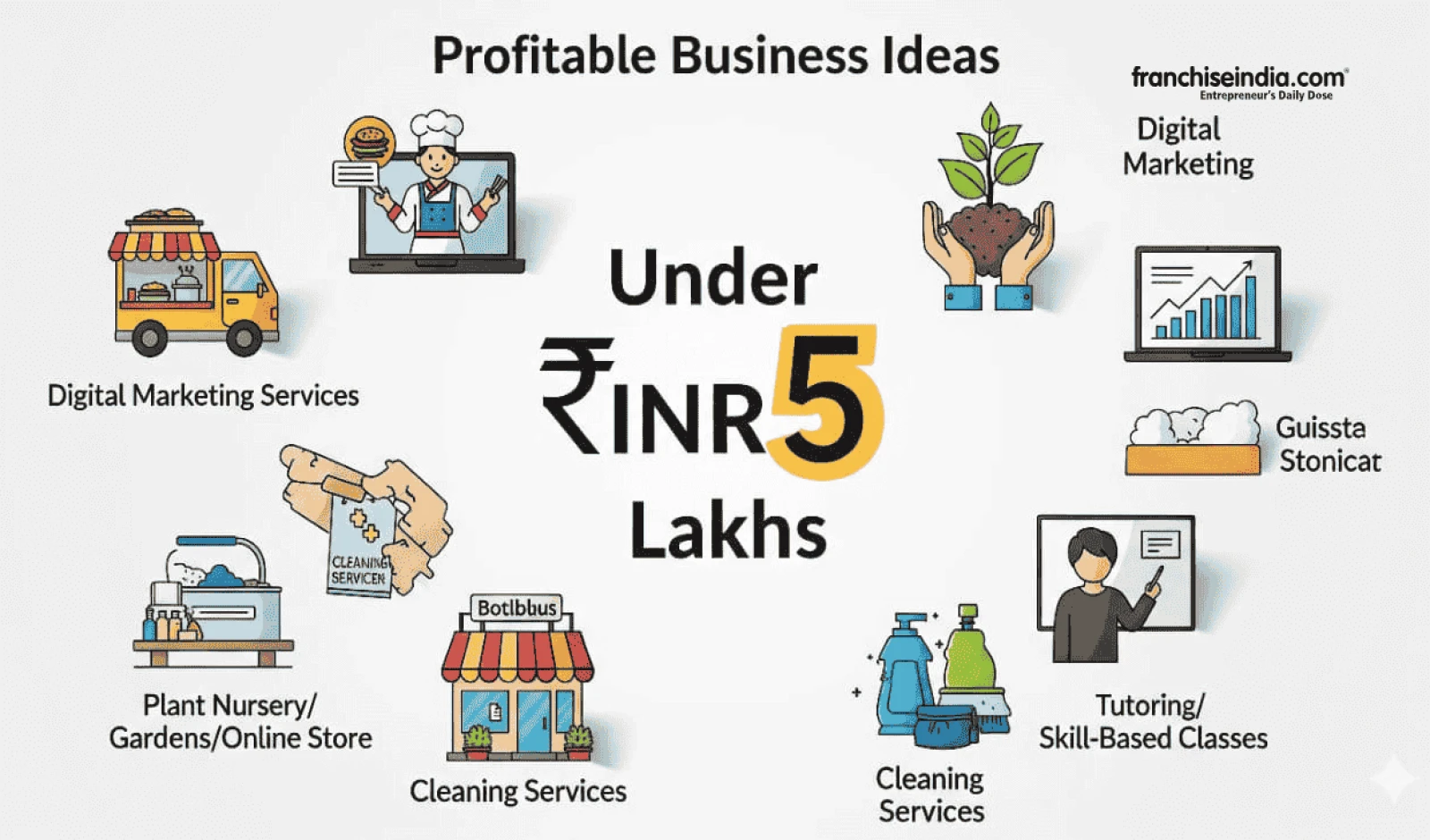

Starting a home business in India no longer requires a large investment. With less than ₹20,000, aspiring entrepreneurs can launch service-based or product-based businesses using digital platforms, social media, and online marketplaces. Here’s a practical guide to getting started while minimizing financial risk.
Starting a small home business with less than ₹20,000 in India has become more achievable than ever. Rising internet penetration, digital payment systems, affordable smartphones, and e-commerce platforms have reduced the cost of entering the market. Whether you are a student, homemaker, working professional, or retiree, a modest budget can be enough to build a sustainable source of income if you choose the right business model and manage expenses wisely.
Choose a Business That Matches Your Skills and Local Demand
The first step is selecting a business that fits your existing skills and has demand in your area or online. Businesses that rely on knowledge or creativity usually require less investment than those involving manufacturing.
Some practical options include:
- Freelance content writing or graphic design
- Home bakery or snack business
- Handmade candles or soaps
- Tailoring and alteration services
- Online tuition or coaching
- Digital marketing services
- Reselling products through e-commerce platforms
- Homemade pickles, spices, or snacks
- Gift packaging and customized hampers
- Social media management for local businesses
Before investing money, spend time understanding your target customers. Research what similar businesses charge, where they sell, and how they attract buyers. A simple survey among friends, neighbors, or local social media groups can provide valuable insights.
Plan Your Budget Before Spending Money
A limited budget requires careful planning. Instead of purchasing everything at once, prioritize essential expenses.
A sample allocation for a ₹20,000 budget could look like this:
- Raw materials or inventory: ₹8,000
- Packaging materials: ₹2,000
- Basic equipment or tools: ₹5,000
- Branding and logo: ₹1,000
- Marketing and advertisements: ₹2,000
- Emergency reserve: ₹2,000
Avoid spending heavily on office furniture or expensive equipment during the early stages. Many successful home businesses begin with existing household resources before expanding.
Maintaining a separate record of business expenses also helps track profitability and simplifies financial management.
Complete Basic Business Registration if Required
Not every home business requires immediate registration, but understanding legal requirements is important.
Depending on the nature and scale of your business, you may eventually need:
- GST registration if applicable under current tax laws
- Food safety registration for food-related businesses
- Local municipal permissions where required
- Shop and Establishment registration in some states
- Trademark registration if you want to protect your brand name
If you plan to sell on major online marketplaces, additional documentation such as a PAN card, bank account, and identity verification may also be required.
Understanding compliance early helps avoid future legal complications as your business grows.
Build an Online Presence at Minimal Cost
Digital marketing allows even small businesses to reach customers without renting a physical shop.
Start by creating:
- A Google Business Profile if serving local customers
- An Instagram business account
- A Facebook page
- A WhatsApp Business account
- Listings on relevant online marketplaces
Post high-quality product photos, customer testimonials, behind-the-scenes videos, and educational content related to your products or services.
Consistency matters more than expensive advertising. Regular updates help build trust and improve visibility over time.
If your budget allows, small targeted social media advertisements can help reach nearby customers interested in your offerings.
Focus on Customer Experience and Repeat Business
Acquiring new customers is often more expensive than retaining existing ones.
Simple practices can encourage repeat purchases:
- Deliver products on time.
- Respond quickly to customer inquiries.
- Use clean and secure packaging.
- Request honest customer reviews.
- Offer loyalty discounts for repeat buyers.
- Maintain consistent product quality.
Satisfied customers often recommend small businesses to friends and family, creating valuable word-of-mouth marketing without additional advertising costs.
Listening to customer feedback also helps improve products and services over time.
Reinvest Profits Instead of Expanding Too Quickly
Many small businesses fail because owners spend profits instead of reinvesting them.
During the first few months, prioritize:
- Increasing inventory
- Improving packaging
- Purchasing better equipment
- Expanding product variety
- Investing in marketing
Avoid taking unnecessary loans unless there is clear evidence of growing demand and predictable revenue.
Steady, controlled growth usually creates a stronger foundation than rapid expansion.
As your customer base increases, you can gradually diversify into new products or services while maintaining quality standards.
Use Government and Digital Resources to Support Growth
India’s startup ecosystem offers several opportunities for small entrepreneurs. Various government initiatives, state entrepreneurship programs, skill development schemes, and financial literacy workshops help individuals develop business knowledge.
Banks and financial institutions also provide business accounts, digital payment solutions, and small business financing options for eligible entrepreneurs.
Learning basic accounting, digital marketing, customer service, and inventory management can significantly improve long-term success.
Continuous learning often provides a greater return than purchasing additional equipment during the early stages of business.
Key Takeaways
- A home business can be started in India with less than ₹20,000 by choosing a low-investment business model.
- Careful budgeting and digital marketing help maximize limited capital.
- Basic legal compliance depends on the type and scale of your business.
- Reinvesting profits and focusing on customer satisfaction supports sustainable growth.
Frequently Asked Questions
Q1. Can I start a profitable business with only ₹20,000?
Yes. Many service-based businesses and small product businesses can be launched within this budget, especially when operated from home.
Q2. Which home business requires the least investment?
Freelancing, online tutoring, content writing, graphic design, social media management, and consulting typically require very little initial investment beyond a computer or smartphone and internet connection.
Q3. Do I need GST registration before starting?
Not always. GST registration requirements depend on factors such as turnover, business type, and applicable tax regulations. Business owners should review the latest eligibility rules before registering.
Q4. How can I get my first customers?
Start with your local network, WhatsApp contacts, social media platforms, neighborhood groups, referrals, and online marketplaces. Positive customer experiences often lead to repeat business and recommendations.