
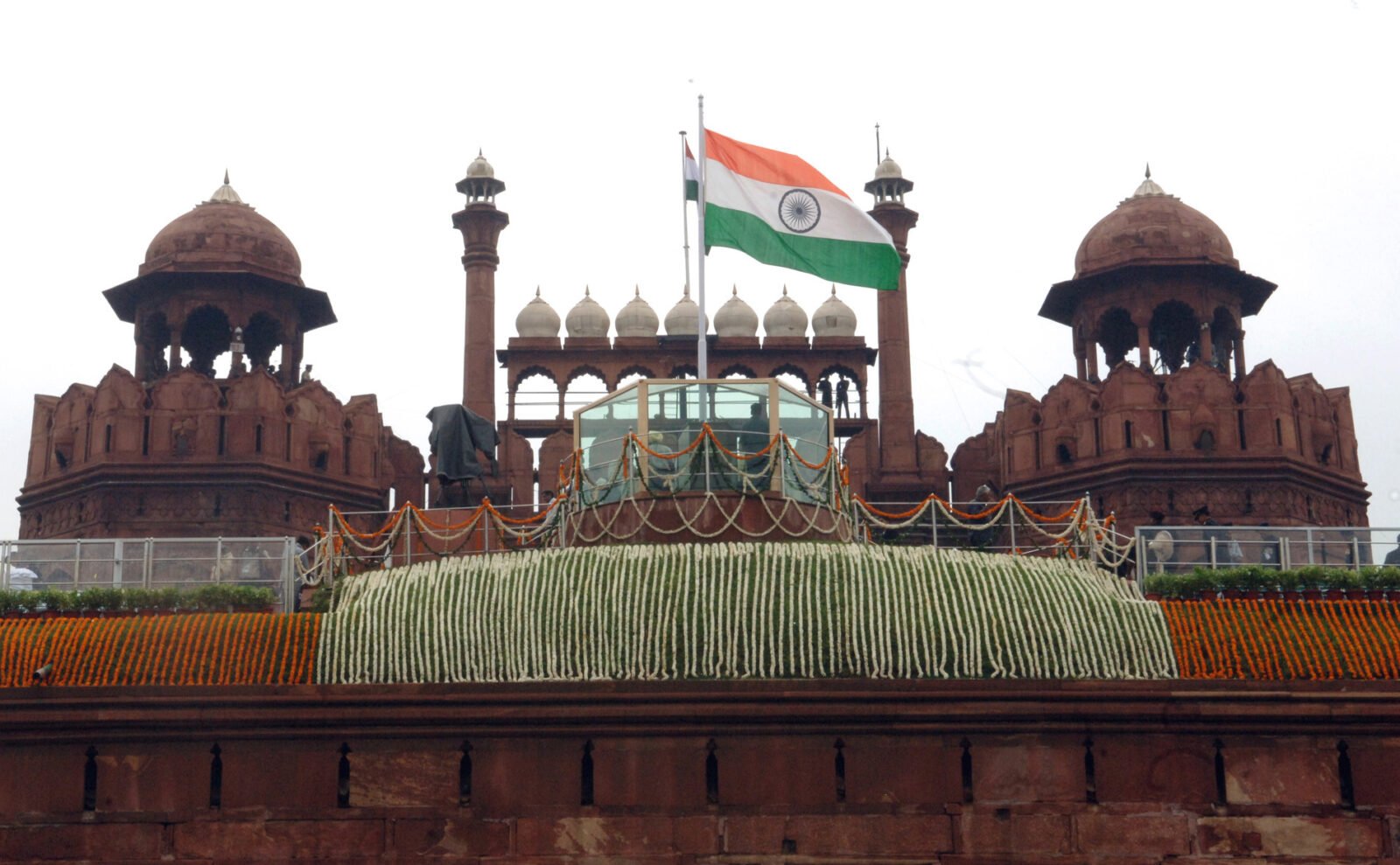

District administrations across India have started preparations for Independence Day 2026 with security reviews, parade rehearsals, venue inspections, and cultural programme planning. Authorities are coordinating multiple departments to ensure celebrations on August 15 are conducted safely, smoothly, and in accordance with official protocols.
Preparations for Independence Day 2026 have gathered pace across Indian district headquarters as administrations begin reviewing security arrangements, parade rehearsals, public safety measures, and cultural programmes ahead of August 15. From Tier-2 and Tier-3 cities to state capitals, district collectors, police officials, municipal authorities, and various government departments are conducting coordination meetings to ensure the national celebrations are organised efficiently. Similar preparations are taking place across several states, reflecting the annual nationwide effort to commemorate India’s Independence Day with patriotic ceremonies and public participation.
District Administrations Begin Multi-Department Coordination
District headquarters serve as the focal point for Independence Day celebrations outside state capitals. In recent weeks, several district administrations have held review meetings involving police, municipal corporations, public works departments, health officials, education departments, transport authorities, fire services, and disaster management teams.
These meetings focus on assigning responsibilities for venue preparation, traffic management, crowd control, sanitation, emergency medical services, uninterrupted electricity supply, and coordination among participating agencies. Officials are also reviewing contingency plans to address adverse weather conditions, particularly in regions experiencing heavy monsoon rainfall during August.
The Ministry of Home Affairs issues broad guidelines every year for Independence Day celebrations at state, district, sub-division, block, and village levels, ensuring a common ceremonial framework across the country.
Security Measures Intensified Ahead of National Celebrations
Security remains one of the highest priorities during Independence Day events.
Police departments across India have increased surveillance around government buildings, parade grounds, transport hubs, marketplaces, and other public gathering areas. Intelligence agencies and local police units are coordinating closely to monitor potential security threats.
In Delhi, authorities have strengthened interstate coordination with neighbouring police forces ahead of Independence Day, while security reviews are also being conducted in several states. Border districts have reported enhanced vigilance, and inspections have intensified around sensitive locations.
As part of routine annual arrangements, access to the Red Fort in New Delhi has remained restricted since mid-July to facilitate preparations for the Prime Minister’s Independence Day address and associated security protocols.
Parade Rehearsals and Cultural Programmes Underway
Schools, colleges, National Cadet Corps (NCC) units, Scouts and Guides, Home Guards, police contingents, and cultural groups have begun rehearsals in many districts.
March-past drills, band performances, patriotic songs, yoga demonstrations, physical displays, and cultural performances are being finalised before the main event.
District administrations are also coordinating with educational institutions to ensure student participation while maintaining safety arrangements. Rehearsal schedules have been prepared in advance to allow participants sufficient practice before the final dress rehearsal, which usually takes place a few days before August 15.
Many districts also organise award ceremonies recognising government employees, police personnel, teachers, healthcare workers, and citizens who have made notable contributions to public service.
Tier-2 and Tier-3 Cities Focus on Public Participation
In many Tier-2 and Tier-3 cities, Independence Day celebrations extend beyond official flag-hoisting ceremonies.
Municipal corporations and district administrations are encouraging citizen participation through cleanliness drives, tree plantation campaigns, heritage walks, school competitions, blood donation camps, and awareness programmes.
The central government’s Har Ghar Tiranga campaign continues to encourage citizens to display the national flag at homes, offices, educational institutions, and commercial establishments during the Independence Day period. Several local bodies have also announced outreach activities linked to the campaign.
These initiatives aim to strengthen public engagement while promoting civic responsibility alongside patriotic celebrations.
Weather Preparedness Remains an Important Priority
Since Independence Day falls during the southwest monsoon, weather planning forms an important part of district-level preparations.
Officials in several districts have instructed departments to prepare alternative arrangements in case of heavy rainfall. Temporary shelters, waterproof stages, backup electricity systems, emergency medical facilities, drainage inspections, and covered seating areas are among the precautionary measures being reviewed.
Public Works Departments, municipal corporations, and disaster management teams are also inspecting parade grounds and event venues to minimise disruptions caused by waterlogging or adverse weather conditions.
This planning helps ensure that official ceremonies can proceed safely even if weather conditions change unexpectedly.
National Protocols Continue Across All District Headquarters
Although celebrations vary slightly by state and district, the overall structure remains consistent throughout India.
The official programme generally includes unfurling of the national flag, the National Anthem, ceremonial guard of honour, parade by police and NCC contingents, cultural performances, speeches by district authorities, and patriotic programmes.
According to established government guidelines, district-level celebrations are typically led by the designated minister, commissioner, or district magistrate depending on state arrangements.
This standardised approach ensures that Independence Day is observed uniformly across urban and rural regions while allowing local administrations to include cultural elements reflecting regional traditions.
Conclusion
With just days remaining before Independence Day, preparations are now in full swing across Indian district headquarters. Administrations are focusing on security coordination, parade rehearsals, venue readiness, public participation, and emergency preparedness to ensure smooth celebrations on August 15.
From metropolitan centres to smaller district towns, the coordinated efforts of multiple government departments highlight the importance of one of India’s most significant national occasions. As rehearsals continue and final inspections take place, authorities remain focused on conducting safe, dignified, and inclusive celebrations across the country.
Key Takeaways
- District administrations across India have begun extensive preparations for Independence Day 2026.
- Security, parade rehearsals, cultural programmes, and traffic management remain top priorities.
- Tier-2 and Tier-3 cities are promoting public participation through patriotic and civic initiatives.
- Monsoon preparedness is being incorporated into event planning to minimise weather-related disruptions.
Frequently Asked Questions
1. Who organises Independence Day celebrations at district headquarters?
District administrations, led by the District Magistrate, Commissioner, or designated state representative, coordinate celebrations with police and various government departments.
2. Why do Independence Day preparations begin weeks in advance?
Advance planning is required for security coordination, parade rehearsals, venue preparation, cultural programmes, traffic management, and emergency arrangements.
3. What activities usually take place during district-level Independence Day celebrations?
Flag hoisting, the National Anthem, guard of honour, parades, cultural performances, patriotic songs, speeches, and public awareness activities are commonly organised.
4. How are authorities preparing for monsoon-related challenges?
Many districts are arranging alternative venues, improving drainage, setting up emergency medical services, and preparing backup infrastructure in case of heavy rainfall during the celebrations.