
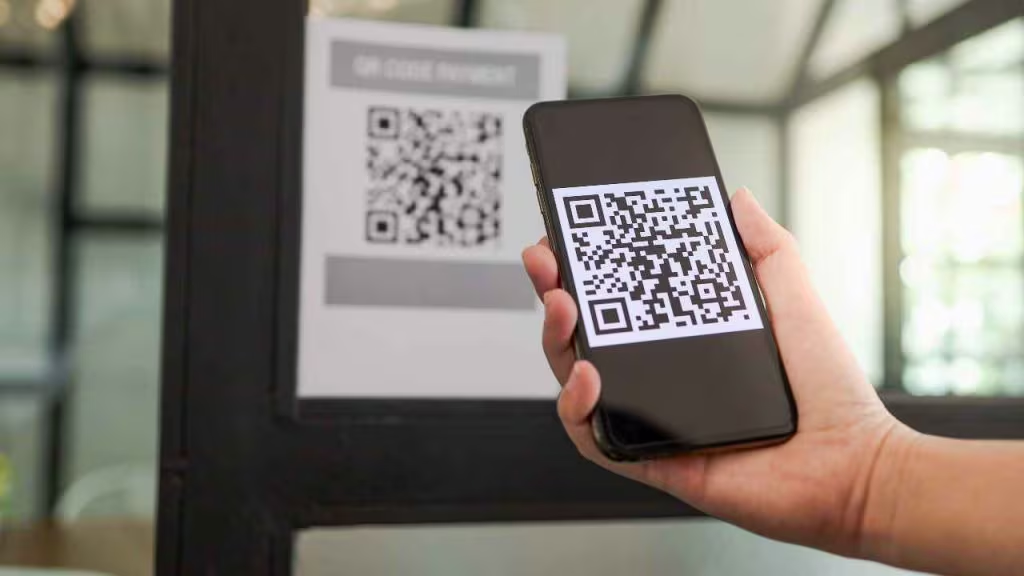

UPI and QR code scams often increase during India’s festive shopping season as online transactions surge. Knowing how fraudsters operate and following simple digital payment safety practices can help shoppers protect their money while enjoying festival discounts and online offers.
The topic is evergreen with seasonal relevance, not tied to a single news event. It is best covered in an educational style supported by current digital payment safety guidance from Indian banking authorities and cybersecurity advisories.
As festive shopping begins across India, UPI and QR code scams during festival shopping become one of the biggest cybersecurity concerns for consumers. Whether purchasing clothes, electronics, groceries, or booking travel, millions of Indians now rely on digital payments through UPI apps. Unfortunately, cybercriminals take advantage of increased online activity by creating fake payment requests, fraudulent QR codes, phishing links, and fake customer support numbers.
Understanding how these scams work is the first step toward protecting yourself. By following a few practical safety measures, you can reduce the chances of becoming a victim of digital payment fraud.
Why UPI and QR Code Scams Rise During Festivals
Festival seasons such as Raksha Bandhan, Ganesh Chaturthi, Navratri, Diwali, and year-end sales witness a sharp increase in online shopping across India. Higher transaction volumes create more opportunities for scammers to target unsuspecting users.
Cybercriminals often impersonate banks, payment apps, shopping platforms, courier services, and customer care executives. They send fake messages claiming limited-time discounts, cashback offers, prize winnings, or payment verification requests.
Many scams rely on creating urgency. Victims are pressured into making quick decisions without verifying the source. Since UPI payments are instant, recovering lost money becomes difficult once a fraudulent transaction is completed.
Common UPI Fraud Techniques Every Shopper Should Know
Understanding the most common scams helps you recognize warning signs before money is lost.
One popular scam involves fake QR codes. Fraudsters replace genuine merchant QR codes with their own in shops or circulate fake QR images through messaging apps. Scanning these codes may redirect payments to the scammer instead of the business.
Another common fraud is the “Receive Money” scam. Scammers claim they are sending you money and ask you to scan a QR code or approve a payment request. In reality, approving the request authorizes money to leave your account.
Fake shopping websites also become more active during festival sales. They advertise unrealistic discounts on smartphones, electronics, jewellery, and branded products to lure customers into making advance payments.
Cybercriminals may also pose as customer support representatives, asking for your UPI PIN, OTP, or screen-sharing access. Genuine banks and payment platforms never ask customers to share such confidential information.
Essential UPI Safety Tips for Festival Shopping
Safe digital payments begin with careful verification.
Always check the merchant’s name before confirming any UPI transaction. Even if the QR code appears genuine, verify that the displayed recipient matches the intended business.
Remember one simple rule: scanning a QR code cannot help you receive money. If someone claims otherwise, it is almost certainly a scam.
Use only official payment applications downloaded from trusted app stores. Keep these apps updated to benefit from the latest security improvements.
Enable app lock, biometric authentication, or device security features wherever available. These add an extra layer of protection if your smartphone is lost or stolen.
Avoid making financial transactions while connected to unsecured public Wi-Fi networks, especially at malls, railway stations, airports, or cafes.
Safe Online Shopping Practices During Festive Sales
Online shopping scams often begin before payment is made.
Purchase products only from trusted e-commerce platforms or verified business websites. Be cautious of social media advertisements offering luxury products at unusually low prices.
Before making payment, verify the website address carefully. Fraudulent websites often use domain names that closely resemble genuine brands.
Read customer reviews, seller ratings, return policies, and contact information before placing expensive orders.
Avoid clicking payment links received through SMS, WhatsApp, Telegram, or email unless you independently verify the sender.
For expensive purchases, using credit cards or secure payment gateways may provide additional consumer protection compared to direct bank transfers.
What to Do If You Become a Victim of a UPI Scam
Quick action can improve the chances of limiting financial damage.
Immediately contact your bank and report the unauthorized transaction. Many banks provide 24-hour customer support for fraud reporting.
Report the incident through the National Cyber Crime Reporting Portal or call the national cybercrime helpline at 1930 as soon as possible. Early reporting increases the possibility of freezing fraudulent transactions before funds are withdrawn.
Take screenshots of payment confirmations, messages, transaction IDs, and communication with the scammer. These records may help investigators.
Change your UPI PIN if you suspect account compromise. Also update passwords linked to your banking and email accounts if necessary.
Continue monitoring your bank account for unusual activity over the following days.
Building Long-Term Digital Payment Awareness
India’s digital payment ecosystem continues to grow rapidly, making convenience and speed accessible to millions. At the same time, users must remain informed about evolving fraud techniques.
Banks, payment service providers, and government agencies regularly issue cybersecurity advisories. Staying informed through official channels is one of the simplest ways to improve digital safety.
Technology alone cannot prevent every fraud attempt. Careful verification, cautious decision-making, and awareness remain the strongest defenses against financial scams.
Festival shopping should be enjoyable rather than stressful. Spending a few extra seconds checking payment details can prevent significant financial losses and ensure a safe digital shopping experience.
Takeaways
- Never enter your UPI PIN or approve payment requests unless you are intentionally making a payment.
- Verify every QR code and merchant name before completing any transaction.
- Shop only through trusted websites and official payment applications.
- Report suspected UPI fraud immediately to your bank and the national cybercrime helpline at 1930.
Frequently Asked Questions
1. Can scanning a QR code help me receive money?
No. Receiving money through UPI does not require scanning a QR code or entering your UPI PIN. If someone asks you to do so, it is likely a scam.
2. Is it safe to share my UPI ID?
Yes. Sharing your UPI ID is generally safe for receiving payments. However, never share your UPI PIN, OTP, banking password, or CVV with anyone.
3. What should I do if I accidentally approve a fraudulent payment?
Immediately contact your bank, report the transaction through the cybercrime helpline 1930, and file a complaint on the National Cyber Crime Reporting Portal without delay.
4. How can I identify a fake shopping website?
Check the website URL, verify customer reviews, look for secure HTTPS connections, review contact details, and avoid websites offering unrealistic discounts or demanding payment through suspicious methods.