
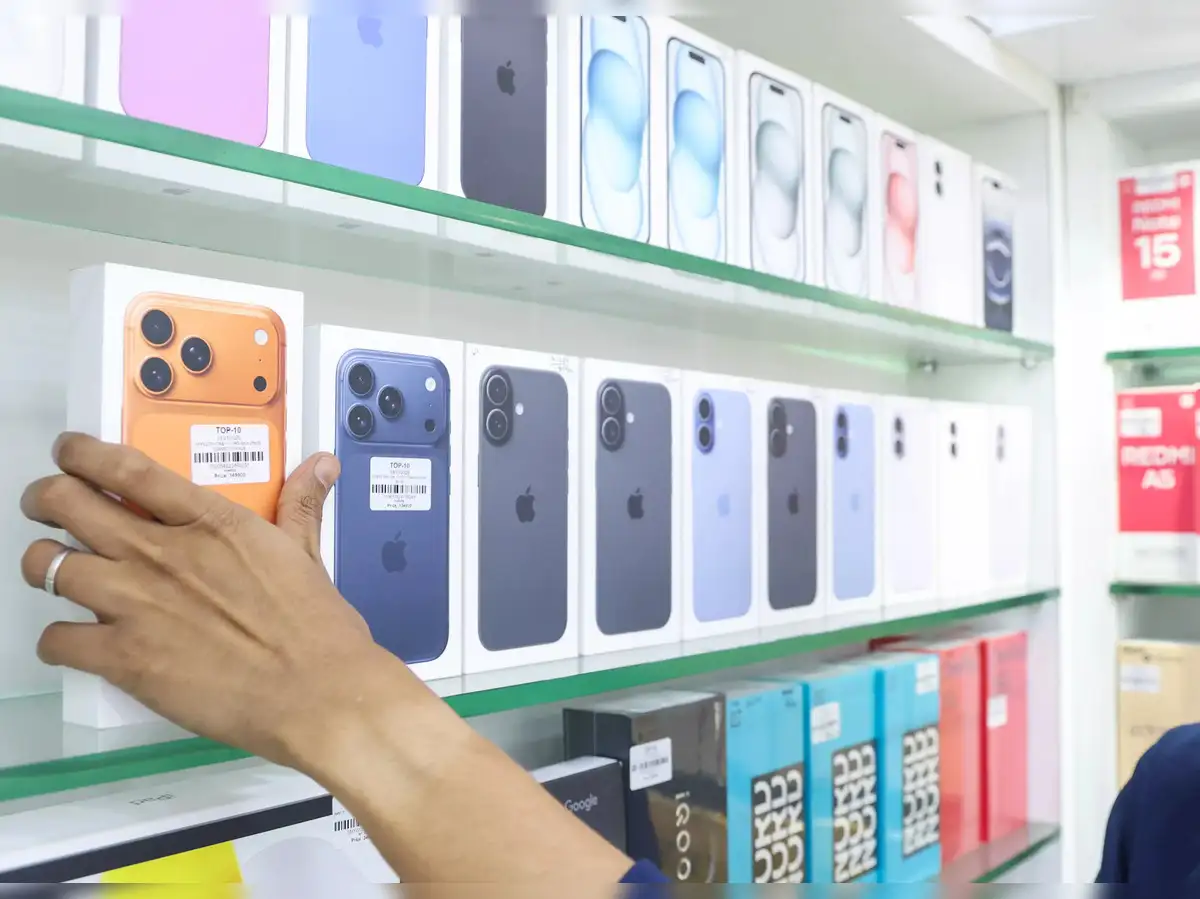

Festive sales in India give shoppers an opportunity to compare budget smartphones with premium phones at reduced prices. However, the best deal is not always the phone with the biggest discount. Performance, camera quality, battery life, software support and long-term ownership costs all determine whether a smartphone offers genuine value for money.
Budget Smartphone vs Premium Phone: Understanding the Difference
The choice between a budget smartphone and a premium phone depends on how much you use your device and which features matter most. Budget smartphones generally focus on essential functions at an affordable price, while premium models offer more advanced hardware, better cameras, faster processors and additional features.
For many Indian consumers, a smartphone is used for WhatsApp, online payments, video streaming, social media, navigation and everyday communication. These tasks do not necessarily require an expensive flagship device. A well-chosen budget phone can handle them comfortably.
Premium smartphones are more relevant for users who depend on their devices for professional photography, video creation, intensive gaming or demanding work applications. They may also offer better displays, more advanced camera systems and longer software support, depending on the model.
During festive sales, discounts can narrow the price difference between the two categories. However, shoppers should compare the actual selling price and specifications instead of assuming that a premium phone automatically offers better value.
Budget Smartphones: Affordable Features for Everyday Use
Budget smartphones are designed to meet common needs without requiring a large upfront investment. Depending on the price segment, buyers can find models with large displays, capable processors, substantial batteries, fast charging and multiple cameras.
For students, first-time smartphone buyers and people who primarily use messaging apps, social media and digital payment services, these features may be sufficient. A budget phone can also serve as a practical secondary device for travel or work.
One advantage is the lower initial cost. Someone buying a phone for ₹15,000 can keep more money available for other expenses, such as accessories, internet connectivity, education or household needs.
However, specifications vary considerably between budget models. Some may have limited storage, slower processors, basic camera sensors or shorter software support periods. Buyers should also check whether the phone offers sufficient RAM, storage and network compatibility for their needs.
A lower price does not automatically mean poor quality. The important question is whether the phone can perform everyday tasks reliably throughout its expected period of use.
Premium Smartphones: What Are You Paying Extra For?
Premium smartphones usually offer improvements in areas such as processing power, display quality, camera performance, construction and connectivity. Some models also include advanced image processing, optical zoom, better video recording capabilities and additional AI-powered features.
These differences matter most when users regularly take photographs, record videos, play demanding games or edit content directly on their phones.
For example, a content creator who records reels, edits videos and publishes social media posts throughout the day may benefit from a premium phone’s camera stabilisation, processing speed and display quality. Someone who mainly reads news, sends messages and watches videos may not need these advantages.
Premium phones can also provide a more refined experience through better materials, improved haptics, water resistance and additional security features. However, not every premium model includes every feature, so buyers should check individual specifications.
The higher price is justified when these improvements solve real problems for the user. Paying extra for features that rarely get used may not represent good value, even when the festive discount appears attractive.
Festive Sale Smartphone Discounts: How to Compare Real Savings
Festive shopping events often feature instant bank discounts, exchange bonuses, cashback and limited-period offers. These promotions can make both budget and premium smartphones more affordable, but the advertised discount may not represent the amount every customer will save.
Consider two illustrative examples.
A budget smartphone originally listed at ₹18,000 might be available for ₹14,999. A premium phone listed at ₹80,000 might be available for ₹64,999. Both prices represent substantial reductions from the stated list prices, but the premium phone still requires a much larger investment.
The comparison becomes more complicated when bank offers and exchange bonuses are included. A discount may apply only to selected cards, while an exchange benefit may depend on the old device’s condition and eligibility.
Before buying, compare the final checkout price across retailers. Check whether the advertised price includes all eligible discounts, whether additional fees apply and whether the same model is available elsewhere for less.
Price history can also help identify whether a festive offer represents a genuine reduction from the product’s usual selling price.
Camera Quality: Is a Premium Phone Always Better?
Camera performance is one of the most common reasons consumers consider upgrading to a premium smartphone. More expensive devices often provide better low-light photography, more advanced image processing, improved stabilisation and greater flexibility when recording videos.
However, camera quality cannot be judged by megapixel count alone. Sensor size, lens quality, image processing, autofocus and software optimisation also affect the final result.
A budget smartphone with a well-optimised main camera may produce satisfactory photographs in daylight. Premium devices are more likely to offer consistent results in difficult lighting conditions, moving scenes and video recording.
For people who create content professionally, camera consistency can save time during editing and reduce the need for separate equipment. For everyday family photographs and occasional social media uploads, a capable mid-range phone may be sufficient.
Before purchasing, look at sample photographs and videos taken with the exact model. Pay attention to skin tones, indoor photography, night images, stabilisation and microphone quality if video creation is important.
Battery Life, Charging and Daily Performance
Battery performance matters regardless of a phone’s price. A device that needs frequent charging can become inconvenient, particularly for commuters, students and professionals who spend long hours away from a power outlet.
Budget smartphones sometimes offer larger battery capacities than premium models, although capacity alone does not determine battery life. Display efficiency, processor design, software optimisation, signal strength and usage patterns also influence how long a phone lasts.
Premium smartphones may compensate for smaller batteries with efficient processors and better power management. Some also offer faster charging or wireless charging, depending on the model.
When comparing phones, check independent battery tests where available and consider your own usage. Continuous gaming, navigation, video recording and mobile data consumption can drain a battery more quickly than light messaging.
Also consider battery replacement costs and service availability. Rechargeable batteries gradually lose capacity with use, so long-term ownership involves more than the initial purchase price.
Software Updates and Long-Term Ownership Costs
Software support is an important factor in deciding whether a smartphone offers value over several years. Operating system updates can introduce new features, while security updates help protect a device against known vulnerabilities.
Support periods differ by manufacturer, model and launch date. Buyers should check the specific update commitment rather than assuming every premium phone receives longer support than every budget model.
For example, Samsung provides official instructions for checking and installing Galaxy software updates, but the availability and schedule of updates depend on the device. Apple’s battery and service guidance also highlights that battery condition changes over time and that service requirements vary with use.
Repair costs deserve similar attention. A premium phone may have a more expensive display or back panel to replace. A budget phone costs less initially, but an unavailable replacement part or poor service coverage can also make repairs inconvenient.
A useful way to evaluate value is to estimate the total cost of ownership, including the purchase price, accessories, expected repairs and any battery replacement during the period you plan to keep the phone.
Which Smartphone Offers Better Value for Different Buyers?
There is no single winner for every buyer. The right choice depends on the features you need, the amount you can comfortably spend and how long you intend to use the device.
A budget smartphone is generally a sensible option for students, basic users and people who want reliable everyday performance without a large financial commitment.
A mid-range smartphone can be a strong compromise for users who want better cameras, smoother performance and additional features without paying flagship prices.
A premium smartphone is worth considering for professional creators, serious mobile gamers and people who regularly use advanced camera or productivity features. Its higher cost may be justified if those capabilities improve daily work or remain useful over several years.
For shoppers in Tier-2 and Tier-3 cities, local service availability and repair access can also influence the decision. A phone with an attractive price but limited support nearby may be less convenient than a model with a reliable service network.
The best festive purchase is the phone that meets your requirements at a price you can afford, not necessarily the most expensive model available.
Key Takeaways
- Budget smartphones offer strong value for everyday activities such as messaging, digital payments, browsing and video streaming.
- Premium phones can justify their higher prices through better cameras, processing power, displays and specialised features.
- Festive discounts should be evaluated using the final checkout price, eligible bank offers and the product’s usual selling price.
- Software support, battery replacement, repair costs and service availability are essential when calculating long-term smartphone value.
Frequently Asked Questions
1. Is it better to buy a budget or premium smartphone during festive sales?
A budget phone is usually better for everyday tasks and buyers with limited budgets. A premium phone may be worth the extra cost if you need advanced photography, intensive gaming or demanding work features. Compare the actual prices and specifications before deciding.
2. Do premium smartphones offer better battery life?
Not always. Battery life depends on battery capacity, processor efficiency, display settings, software optimisation and usage. Compare independent battery tests and charging capabilities for the specific models you are considering.
3. How can I check whether a festive smartphone discount is genuine?
Compare the current price across reputable retailers and check historical prices where available. Review bank offer conditions, exchange eligibility, delivery charges and the final amount payable before completing the purchase.
4. Which smartphone is best for content creators on a budget?
Look for a phone with reliable video stabilisation, good low-light performance, clear audio, sufficient storage and a capable processor. A good mid-range smartphone may meet these needs without requiring the cost of a flagship device.