
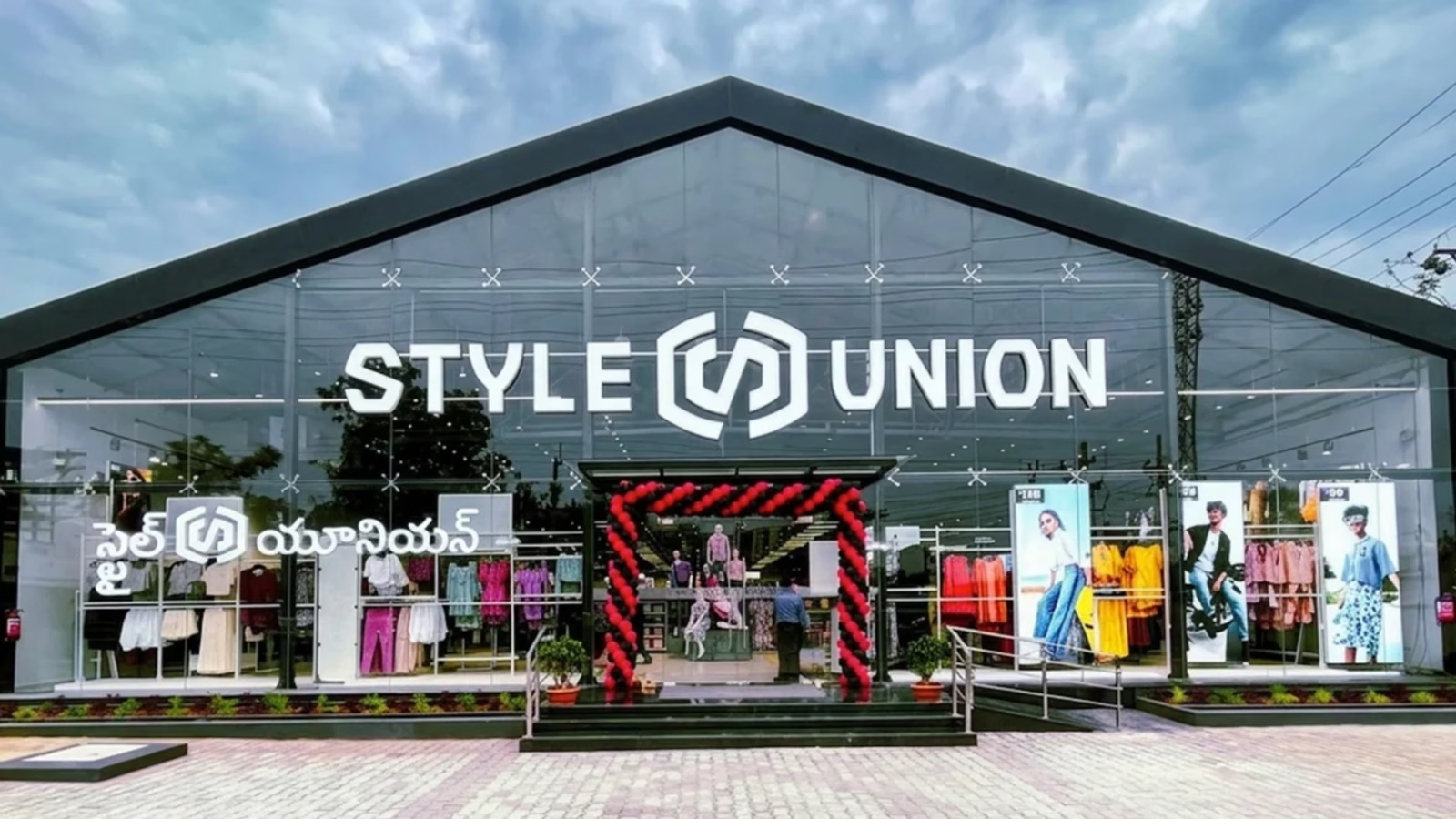

Indian value-fashion retailer Style Union has raised ₹485 crore in a Series E funding round to accelerate its expansion across the country. Backed by Venturi Partners and Elev8 Venture Partners, the company plans to strengthen its presence in Western and Northern India as competition intensifies in the affordable fashion retail segment.
Style Union Secures ₹485 Crore in Series E Funding
Nexon Omniverse Limited, the parent company of Style Union, announced a ₹485 crore Series E funding round on November 19, 2026. The investment was led by existing investor Venturi Partners and co-led by Elev8 Venture Partners. The transaction includes a combination of primary and secondary capital, although the company has not publicly disclosed the exact split.
The newly raised funds will support the retailer’s next phase of physical store expansion. Having established a significant presence in Southern India, Style Union is now looking to enter more markets across Western and Northern India, including key metropolitan locations.
The funding comes as organised value-fashion retailers compete to attract consumers looking for affordable clothing without compromising on quality or changing fashion preferences.
The company believes its pricing strategy and store-led business model can help it reach more households as it expands into additional cities.
From 41 Stores to 200: Style Union’s Rapid Growth
Founded in 2022, Style Union has expanded its retail network considerably within a relatively short period. The company began with 41 stores and reported net revenue of ₹123 crore in FY23.
By FY26, its store network had grown to 158 outlets, while net revenue exceeded ₹1,150 crore, according to company-reported figures. Its current network has reached approximately 200 stores across eight states and Delhi-NCR.
These markets include Karnataka, Telangana, Andhra Pradesh, Kerala, Tamil Nadu, Gujarat, Maharashtra and Delhi-NCR.
The expansion reflects growing demand for organised retail formats that combine affordable pricing with a broad selection of everyday clothing.
Style Union offers fashion products for men, women and children, positioning itself around accessible prices and trend-led merchandise.
Its growth also demonstrates how relatively young retail companies are attempting to build nationwide businesses by combining physical stores with digital channels.
Company Targets 450 Stores by March 2030
One of the most significant aspects of the funding announcement is Style Union’s long-term store expansion target.
The company aims to increase its network from approximately 200 stores to 220 by March 2027. Its larger goal is to reach 450 outlets by March 2030.
This would more than double its existing retail footprint over the next few years.
The expansion will focus on key metropolitan markets in Western and Northern India, taking the business beyond its established Southern India base.
For the company, entering new geographical markets will require more than opening additional outlets. It will also need to understand local customer preferences, identify suitable retail locations, maintain inventory availability and build reliable supply chains.
Consumer preferences can differ significantly between cities. Clothing choices, seasonal demand, purchasing power and popular fashion categories may vary across regions.
Successfully managing these differences will be important as Style Union moves into new markets.
Why India’s Value Fashion Market Is Attracting Investors
The Indian value-fashion market has become an important growth segment for organised apparel retailers. Consumers are increasingly looking for clothing that combines affordability, variety and changing fashion trends.
For middle-income households, price remains an important factor when purchasing everyday apparel. Families often need clothing for different age groups and occasions while managing other household expenses. Retailers offering a wide range of products at accessible prices can appeal to this customer base.
The segment is also benefiting from the expansion of organised retail into smaller cities. Consumers in Tier-2 and Tier-3 markets are gaining access to shopping formats that were previously more concentrated in metropolitan areas.
According to industry estimates cited in recent reporting, value fashion’s share of organised apparel revenue has increased from 39% to 46% over three years. This reflects the growing importance of affordable fashion within India’s organised retail sector.
Investors are paying attention to this shift because retailers with a scalable store model, disciplined inventory management and consistent customer demand may have opportunities to expand across multiple regions.
Competition From Zudio, Westside and Reliance Retail
Style Union’s expansion comes at a time when India’s affordable fashion market is becoming increasingly competitive.
The company operates in a segment that includes established retail brands such as Zudio, Westside, Reliance Retail’s Trends and Yousta, along with other regional and national apparel retailers.
These businesses compete through different combinations of pricing, store locations, product selection and shopping experiences.
Zudio, for example, has built a strong presence in the affordable fashion segment through its extensive physical retail network. Reliance Retail has also developed multiple fashion formats to reach consumers across different price categories.
For Style Union, the challenge will be to establish a distinct identity rather than relying only on affordable pricing.
Product variety, consistent quality, store accessibility and the ability to respond quickly to changing fashion trends will influence customer retention.
The company will also need to maintain efficient inventory management. Fashion retail involves changing consumer preferences, seasonal collections and the risk of unsold stock. Poor inventory planning can affect profitability even when store sales increase.
What the Funding Means for Tier-2 and Tier-3 Cities
The planned expansion of Style Union could create opportunities in India’s growing smaller-city retail markets.
Cities such as Nagpur, Indore, Bhopal, Jaipur, Lucknow, Surat and Coimbatore have expanding consumer markets and established shopping destinations. Their retail sectors are attracting interest from organised brands looking beyond major metropolitan areas.
For consumers, the arrival of additional value-fashion stores could improve access to affordable clothing, increase product choices and introduce more organised shopping formats.
It could also increase competition among existing apparel retailers. Local clothing stores may need to focus more on customer service, product differentiation, pricing and shopping experiences to retain customers.
However, the company has not announced a confirmed city-by-city expansion schedule for its next phase. Its broader plan to expand across Western and Northern India should not be interpreted as a guarantee that every Tier-2 or Tier-3 city will receive a store.
The success of this strategy will depend on identifying locations where customer demand can support the cost of operating physical retail outlets.
Revenue Growth and Business Expansion Targets
Style Union’s financial performance provides context for its expansion plans.
The company reported net revenue of more than ₹1,150 crore in FY26, compared with ₹123 crore in FY23. Moneycontrol reported that its FY26 EBITDA was around ₹100 crore, while its FY27 revenue ambition is approximately ₹2,000 crore.
These figures indicate the scale of growth the business is targeting. However, the FY27 revenue figure is a target reported by the publication, not an achieved result.
The company is also working towards a much larger physical retail network. Reaching 450 stores by March 2030 will require careful planning around store-level profitability, staffing, logistics and working capital.
Opening new outlets can increase revenue opportunities, but expansion also brings costs such as rent, employee salaries, inventory purchases, distribution and store maintenance.
Maintaining healthy unit economics will therefore be essential. Each store needs to generate sufficient sales to cover its operating expenses and contribute to the overall business.
What Lies Ahead for India’s Affordable Fashion Retailers
The latest funding round highlights continued investor interest in India’s organised fashion retail sector.
For Style Union, the immediate priority will be to use the new capital effectively, enter additional markets and maintain the business model that supported its early growth.
The company will also need to adapt its merchandise to different regional preferences while maintaining consistent pricing and product standards.
For the wider industry, the expansion reflects a shift towards organised retail formats that target consumers seeking affordable everyday fashion. Competition is likely to remain intense as established brands and newer retailers pursue similar customer segments.
The next phase of growth will depend on more than the number of stores opened. Retailers will need to demonstrate that they can maintain customer demand, control operating costs and generate sustainable returns from their physical networks.
Style Union’s ₹485 crore fundraise gives the company additional resources to pursue its national expansion ambitions. Whether it can translate this investment into a durable nationwide retail business will become clearer as its new stores begin operating across more markets.