
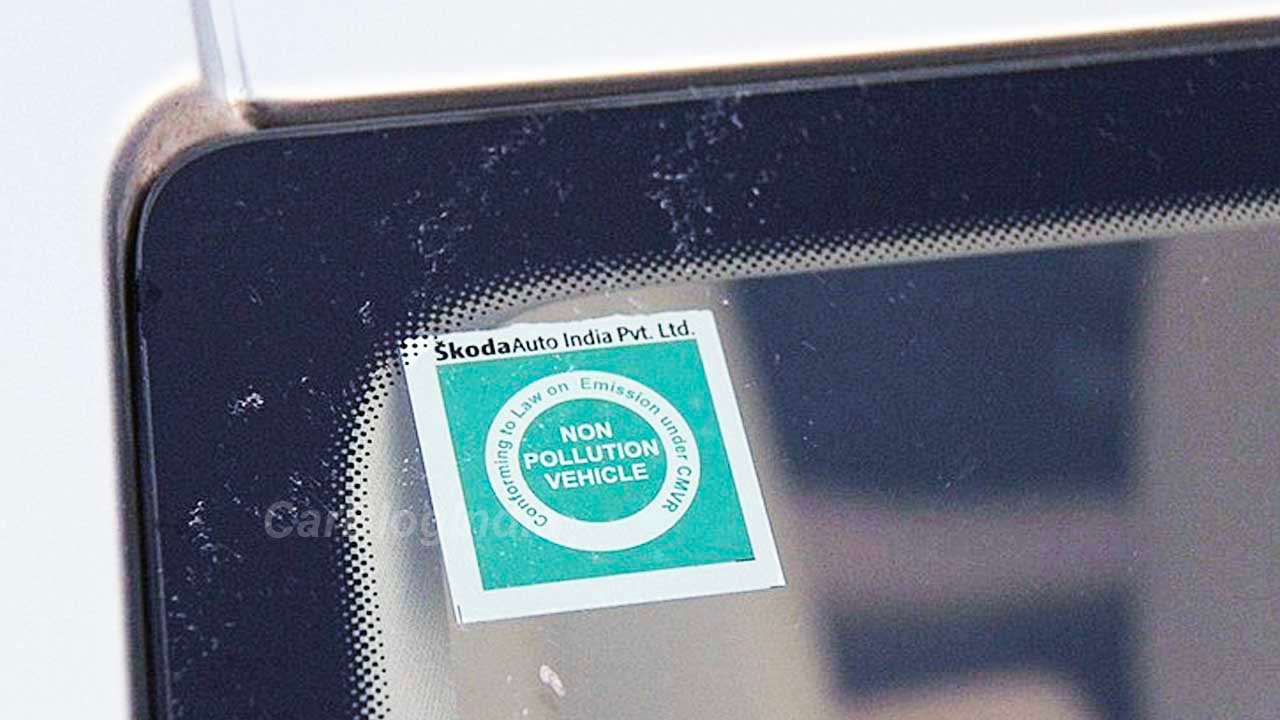

India has revised the validity periods of Pollution Under Control (PUC) certificates, changing how frequently vehicle owners must renew them. The new rules consider emission standards, vehicle age and vehicle category. Here is how to check your PUC status online and understand the updated renewal schedule.
Why India Has Revised PUC Certificate Validity Rules
The Ministry of Road Transport and Highways (MoRTH) has introduced changes to the validity period of Pollution Under Control certificates under Rule 115 of the Central Motor Vehicles Rules, 1989.
The Central Motor Vehicles (Sixteenth Amendment) Rules, 2026, revise the frequency of emission testing according to a vehicle’s emission standard, age and usage category.
The changes are intended to reduce the compliance burden on owners of newer and cleaner vehicles while maintaining regular emission checks for older vehicles.
Under the revised framework, BS-I, BS-II and BS-III vehicles will require more frequent testing. Meanwhile, newer BS-VI vehicles will receive longer certificate validity periods.
For vehicle owners, understanding these changes is important because an expired PUC certificate can create legal and financial complications.
New PUC Certificate Validity Periods in India
The revised rules introduce different renewal schedules for private and commercial vehicles. The applicable validity depends on the vehicle’s Bharat Stage emission category and its age from the date of first registration.
Here is the updated PUC certificate validity schedule:
| Vehicle category | PUC certificate validity |
|---|---|
| BS-I, BS-II and BS-III vehicles | 3 months |
| BS-IV vehicles | 6 months |
| BS-VI private vehicles up to 6 years old | 3 years |
| BS-VI private vehicles above 6 years and up to 10 years | 1 year |
| BS-VI private vehicles above 10 years | 6 months |
| BS-VI transport vehicles up to 6 years old | 2 years |
| BS-VI transport vehicles above 6 years and up to 10 years | 1 year |
| BS-VI transport vehicles above 10 years | 6 months |
The distinction between transport and non-transport vehicles is important. For example, a BS-VI private car that is six years old or younger can have a PUC certificate valid for three years. A BS-VI commercial vehicle in the same age bracket will have a validity period of two years.
Older vehicles will continue to undergo emission testing more frequently because their emissions require closer monitoring.
How to Check PUC Certificate Validity Online
Vehicle owners do not need to visit a Regional Transport Office (RTO) simply to check their existing PUC certificate status. The government provides an online facility through the Parivahan PUC portal.
Follow these steps to check your vehicle’s PUC validity:
Step 1: Visit the official Parivahan PUC portal
Open the government’s Pollution Under Control Certificate portal at https://puc.parivahan.gov.in/puc/.
Step 2: Select the PUC Certificate option
Look for the PUC Certificate section in the website’s navigation menu. This option allows vehicle owners to retrieve their existing certificate information.
Step 3: Enter your vehicle registration number
Enter your complete vehicle registration number in the required field. Make sure the number matches the details mentioned on your Registration Certificate (RC).
Step 4: Enter the last five characters of your chassis number
The portal requires the last five characters of your vehicle’s chassis number for verification. You can find the chassis number on your vehicle’s RC.
Step 5: Complete the security verification
Enter the CAPTCHA or security code displayed on the screen. This helps verify that the request is being submitted by a genuine user.
Step 6: Click on PUC Details
After entering the required information, select the PUC Details option. The portal will retrieve the available certificate information associated with your vehicle.
Step 7: Check the certificate expiry date
Review the certificate details, including its issue date, validity period and expiry date. If the certificate is available, you can also save or print a copy for your records.
Vehicle owners should check the expiry date rather than assume that their certificate automatically receives a longer validity period under the revised rules.
What Happens to Existing PUC Certificates?
An important clarification in the revised rules concerns certificates issued before the amendment came into force.
The government has introduced a transitional arrangement under which the revised validity schedule will apply to existing certificates only when they undergo their first renewal after the commencement of the new rules.
This means vehicle owners should not assume that an existing certificate automatically receives an extended validity period.
For example, if a vehicle owner already holds a valid PUC certificate, its existing expiry date remains relevant. The revised schedule will become applicable when the certificate is renewed for the first time after the amendment takes effect.
This provision is particularly important for owners who have recently obtained or renewed their certificates.
New PUC Renewal Timing Rules Explained
The amendment also clarifies how the validity of a renewed certificate will be calculated.
If a vehicle owner applies for renewal within the 10 days preceding the existing certificate’s expiry date, the renewed certificate will take effect from the expiry date of the previous certificate.
However, if the owner applies for renewal after the existing certificate has expired, the new certificate will become effective from the actual date of renewal.
This distinction can affect the continuity of a vehicle’s PUC certification.
For example, if a certificate expires on December 20 and the owner completes the renewal within the 10-day period before expiry, the new validity will begin from December 20.
If the owner waits until after December 20, the new certificate will take effect from the date on which the renewal is completed.
Vehicle owners should therefore avoid waiting until the last moment to renew their certificates.
Where Can You Renew an Expired PUC Certificate?
Checking the PUC certificate online and obtaining a renewed certificate are two different processes.
The Parivahan portal allows users to check available certificate details. However, obtaining a fresh PUC certificate requires the vehicle to undergo an emission test at an authorised Pollution Under Control testing centre.
During the test, the centre checks the vehicle’s exhaust emissions using approved equipment.
The test measures relevant pollutants according to the applicable emission standards. If the vehicle meets the prescribed limits, the authorised centre issues a PUC certificate.
If the vehicle fails the test, the owner may need to inspect the engine, exhaust system or other relevant components before attempting another test.
Vehicle owners should use authorised testing centres rather than relying on unofficial agents or websites offering certificates without an actual emission test.
Why Vehicle Owners Should Check PUC Status Regularly
A valid PUC certificate is an important requirement for vehicles covered by India’s emission certification rules.
Driving without a valid certificate can result in penalties under the Motor Vehicles Act and applicable enforcement provisions. The exact consequences may depend on the circumstances and relevant enforcement rules.
Regular PUC checks also help vehicle owners identify possible emission problems before they become more serious.
For people living in cities such as Nagpur, Pune, Nashik, Indore, Jaipur and Lucknow, checking vehicle pollution certification is particularly relevant because road traffic and vehicle emissions remain important urban environmental concerns.
Older petrol and diesel vehicles should receive particular attention because their revised renewal schedules require more frequent testing.
Owners should also keep a digital or printed copy of their valid certificate for convenient access during traffic checks.
Key Takeaways
- India’s revised PUC rules introduce different certificate validity periods based on emission standards, vehicle age and usage category.
- BS-I, BS-II and BS-III vehicles require renewal every three months, while BS-IV vehicles require renewal every six months.
- Newer BS-VI private vehicles can receive certificates valid for up to three years, depending on their age.
- Vehicle owners can check their PUC certificate status online through the official Parivahan portal using their registration number and the last five characters of their chassis number.
Frequently Asked Questions
1. How can I check my vehicle’s PUC certificate validity online?
Visit the official Parivahan PUC portal, enter your vehicle registration number and the last five characters of your chassis number, complete the CAPTCHA and select PUC Details to view the available certificate information.
2. How long is a PUC certificate valid under the new rules?
Validity depends on the vehicle’s emission category, age and usage. BS-I, BS-II and BS-III vehicles have a three-month validity period, while BS-IV vehicles have six months. BS-VI vehicles can receive validity ranging from six months to three years.
3. Do the new PUC rules automatically extend existing certificates?
No. Certificates issued before the amendment came into force will follow the revised validity schedule only when they undergo their first renewal after the commencement of the new rules.
4. Can I renew my PUC certificate online without visiting a testing centre?
No. Checking certificate details is possible online, but obtaining a renewed certificate requires an emission test at an authorised PUC testing centre.
(Internal Keywords: PUC certificate validity 2026, how to check PUC online, new PUC rules India, Parivahan PUC certificate, BS6 PUC validity, vehicle pollution certificate renewal, PUC certificate expiry date, PUC rules for private and commercial vehicles)