
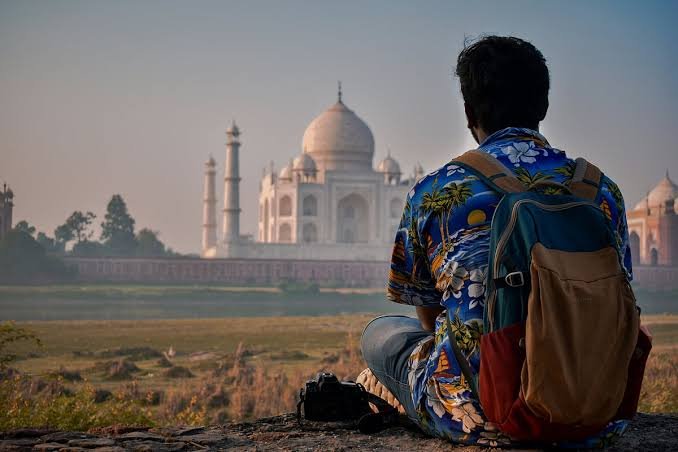

Young Indians are rethinking how they spend on entertainment and socialising. From local food trails and café visits to community events, short trips and game nights, affordable experiences are gaining attention as consumers balance lifestyle aspirations with everyday financial commitments.
A Different Approach to Spending on Entertainment
Young Indians are changing the way they plan their free time. Instead of automatically choosing expensive restaurants, premium clubs or elaborate weekend plans, many are exploring affordable experiences that offer entertainment, social interaction and memorable moments without putting excessive pressure on their budgets.
This does not mean young consumers have stopped spending on concerts, travel, dining or premium entertainment. Rather, their choices are becoming more selective. A low-cost food trail with friends, a local music performance or a weekend visit to a nearby destination can feel just as rewarding as an expensive outing.
The shift reflects two priorities that increasingly exist together: the desire to enjoy life and the need to manage money responsibly. With rent, transport, groceries, subscriptions and other regular expenses taking up a significant part of monthly income, entertainment spending often requires planning.
For Gen Z and younger millennials, the question is not always how much an outing costs. It is whether the experience feels worth the money.
Why Gen Z Is Looking for Better Value
Affordability is an important part of changing entertainment choices. Young professionals and students often work with limited or irregular disposable income. Even those earning a regular salary may have financial goals such as building savings, paying education loans, investing or contributing to household expenses.
A study by SalarySe, based on millions of UPI transactions involving more than 5.2 lakh salaried Gen Z users, found that over 70% of their monthly spending went towards everyday living expenses and recurring financial commitments. Bills and subscriptions accounted for 20.1% of monthly spending, while groceries represented 15.7%.
The findings, reported by Business Standard in August 2026, offer an important perspective on young consumers. Their interest in entertainment and experiences exists alongside substantial financial responsibilities.
An expensive night out may therefore become an occasional plan rather than a weekly habit. Choosing a reasonably priced café, attending a free public event or organising a home gathering can help people maintain their social lives without regularly exceeding their budgets.
Experiences Are Becoming More Important Than Possessions
Another reason behind this change is the growing interest in experiences rather than simply buying more products.
A BookMyShow and EY-Parthenon report titled Beyond Attention. Into Immersion. found that 78% of Indian consumers preferred experiences over physical products. It also reported that 44% of spenders made unplanned experiential purchases.
The findings suggest that entertainment is not limited to shopping or visiting traditional leisure destinations. Consumers are interested in activities that allow them to participate, learn something, discover new interests or create memories.
For young Indians, these experiences can include pottery workshops, photography walks, live music performances, comedy shows, sports activities, food festivals and short outdoor trips.
However, the preference for experiences should not be confused with a preference for expensive experiences. A concert ticket or an overseas holiday may be attractive, but a neighbourhood event or a simple day trip can also provide the sense of enjoyment people are seeking.
The value often comes from the activity and the people involved, not just the amount spent.
Affordable Outings Are Changing Weekend Plans
Traditional weekend plans often revolve around restaurants, shopping malls, movie theatres and nightlife venues. These options remain popular, but young consumers now have a wider range of activities to consider.
Some are choosing café hopping instead of booking expensive restaurants. Others are exploring street-food destinations, local markets, public parks, heritage locations and community events.
Interactive activities are also finding an audience. Trivia nights, board-game sessions, open-mic performances and hobby workshops give people an opportunity to socialise around a shared interest.
These formats can be particularly appealing to people who want something different from a regular dinner or movie plan. A quiz night, for example, creates an activity around which friends can interact. Similarly, a photography walk or a local art event can turn an ordinary weekend into a more engaging experience.
The growth of event discovery platforms and social media listings has also made it easier to find activities beyond familiar entertainment venues. People can discover events happening in their own neighbourhoods rather than travelling to expensive or crowded destinations.
Tier-2 and Tier-3 Cities Are Expanding the Experience Economy
The shift towards affordable experiences is relevant beyond metropolitan markets. Smaller Indian cities are developing their own entertainment and leisure ecosystems, with cafés, local festivals, cultural programmes, sports facilities and community events offering more choices.
Data from super.money’s superSpends 2.0 report, released in July 2026, highlights the growing contribution of smaller cities to young India’s spending patterns. The report analysed millions of digital transactions between January and June 2026.
Travel was among the strongest discretionary spending categories during this period. Tier-2 and Tier-3 cities, including Madurai, Faridabad and Surat, recorded average travel spending growth of more than two times, according to the report.
This indicates that consumers in smaller cities are participating in discretionary activities such as travel, although spending growth does not necessarily mean every outing is becoming cheaper.
For young residents, the expansion of local entertainment options can reduce the need to travel to major metros for every leisure activity. A new café, a local music event or a nearby tourist destination can become a practical alternative to a more expensive city break.
The opportunity for local businesses is equally significant. Affordable experiences can attract students, young professionals and families who want accessible entertainment close to home.
Social Media Is Influencing How Young People Discover Experiences
Instagram, YouTube and other digital platforms have changed how young Indians discover places to visit and activities to try.
A café recommendation, a short video about a local food market or a creator’s review of a weekend activity can introduce audiences to options they may not have considered earlier.
This has increased the visibility of smaller businesses and local experiences. Instead of relying only on established entertainment brands, consumers can discover independent cafés, hobby groups, local artists, community events and lesser-known destinations.
Social media can also make affordable activities more attractive by showing what people can experience within a particular budget.
However, online visibility does not always translate into actual affordability. Some activities promoted as budget-friendly may involve additional costs such as transportation, booking charges, food purchases or equipment rentals.
Young consumers increasingly need to look beyond promotional videos and check the complete cost before making a plan.
Is Affordable Entertainment Always About Saving Money?
Not necessarily. The growing interest in affordable experiences does not mean young Indians are unwilling to pay for quality or premium entertainment.
Deloitte India’s Consumer Signals research in 2026 describes Indian consumers as increasingly selective about discretionary spending. Its findings indicate that households are protecting essentials and savings while directing non-essential spending towards experiences they consider worthwhile.
This distinction matters. A person may choose inexpensive outings several times a month and still spend more on a major concert, holiday or special occasion.
The decision depends on perceived value. A premium experience may justify its price if it offers something unique, while an expensive restaurant visit may feel unnecessary if a simpler option provides similar enjoyment.
Young consumers are also comparing experiences more carefully. They may consider ticket prices, travel time, food costs, convenience, reviews and the overall quality of an activity before deciding.
In this sense, affordability is not simply about choosing the cheapest option. It is about spending where the return in enjoyment, comfort or personal value feels meaningful.
How Cafés, Local Events and Businesses Can Respond
The demand for accessible entertainment creates opportunities for businesses across India’s cities.
Cafés, restaurants, event organisers and local tourism operators can attract younger audiences by offering experiences at different price points. Affordable menus, weekday events, student-friendly offers, workshops and group activities can make leisure more accessible.
For example, a café can host a quiz night or an open-mic evening instead of depending only on regular dining customers. A local tourism operator can develop short trips that do not require expensive accommodation. Community organisations can organise cultural events and creative workshops at accessible prices.
The key is to offer genuine value rather than relying entirely on discounts. Customers are more likely to return when an activity is well organised, enjoyable and reasonably priced.
Businesses should also communicate the complete cost clearly. Hidden charges, unclear ticket conditions and expensive add-ons can damage trust, particularly among budget-conscious consumers.
For Tier-2 and Tier-3 markets, local knowledge can be an advantage. Businesses that understand the interests, spending capacity and cultural preferences of their communities can develop experiences that feel relevant without copying expensive metro-city formats.
Balancing Lifestyle Choices With Financial Goals
Affordable entertainment can help young consumers maintain a social life while managing their financial priorities. However, budget-conscious spending still requires some planning.
Setting aside a monthly amount for outings, comparing prices before booking and checking whether an event includes additional charges can prevent unexpected expenses.
People can also mix paid and free activities. A month might include one concert, a few low-cost café visits, a public event and a home gathering with friends.
This approach does not require giving up travel, dining or entertainment. It simply encourages consumers to decide which experiences matter most to them.
The broader change is about making lifestyle spending more intentional. Young Indians are not necessarily choosing between enjoying life and saving money. Many are trying to make room for both.
The Future of Affordable Experiences in India
India’s experience economy is expanding across travel, entertainment, dining, live events and leisure activities. At the same time, financial responsibilities and changing consumer expectations are influencing how people decide where to spend.
Affordable outings are likely to remain relevant because they offer businesses a way to reach a broad audience and give consumers more choices.
For smaller cities, the opportunity is especially interesting. Local food culture, heritage destinations, sports activities, creative communities and regional festivals can become important parts of the entertainment economy.
The future may not belong exclusively to premium experiences or low-cost activities. Consumers are likely to move between both, depending on their budgets, interests and occasions.
For young Indians, a memorable outing does not always need a high price tag. Sometimes, the best plan is simply one that brings friends together, offers something new and leaves enough money for the rest of the month.
Key Takeaways
- Young Indians are becoming more selective about entertainment spending while balancing everyday expenses and financial goals.
- Affordable experiences include local events, food trails, workshops, game nights, short trips and community activities.
- Smaller cities are emerging as important markets for travel and discretionary entertainment spending.
- The shift is not about rejecting premium experiences but choosing activities that offer better perceived value.
FAQs
1. Why are young Indians choosing affordable outings?
Many young Indians are balancing lifestyle spending with expenses such as rent, groceries, transport, subscriptions and savings. Affordable outings allow them to socialise and enjoy leisure activities without regularly exceeding their budgets.
2. What are some affordable experiences popular among young people?
Options include street-food trails, café visits, local festivals, comedy shows, open-mic events, trivia nights, board games, workshops, photography walks and short trips to nearby destinations.
3. Are Gen Z consumers moving away from luxury experiences?
Not entirely. Young consumers may still spend on concerts, premium travel and special occasions. The change is more about being selective and evaluating whether an experience justifies its cost.
4. How can smaller cities benefit from the demand for affordable experiences?
Local cafés, event organisers, tourism businesses and cultural organisations can create accessible activities for young residents. This can support local businesses while giving people more entertainment choices within their cities.