
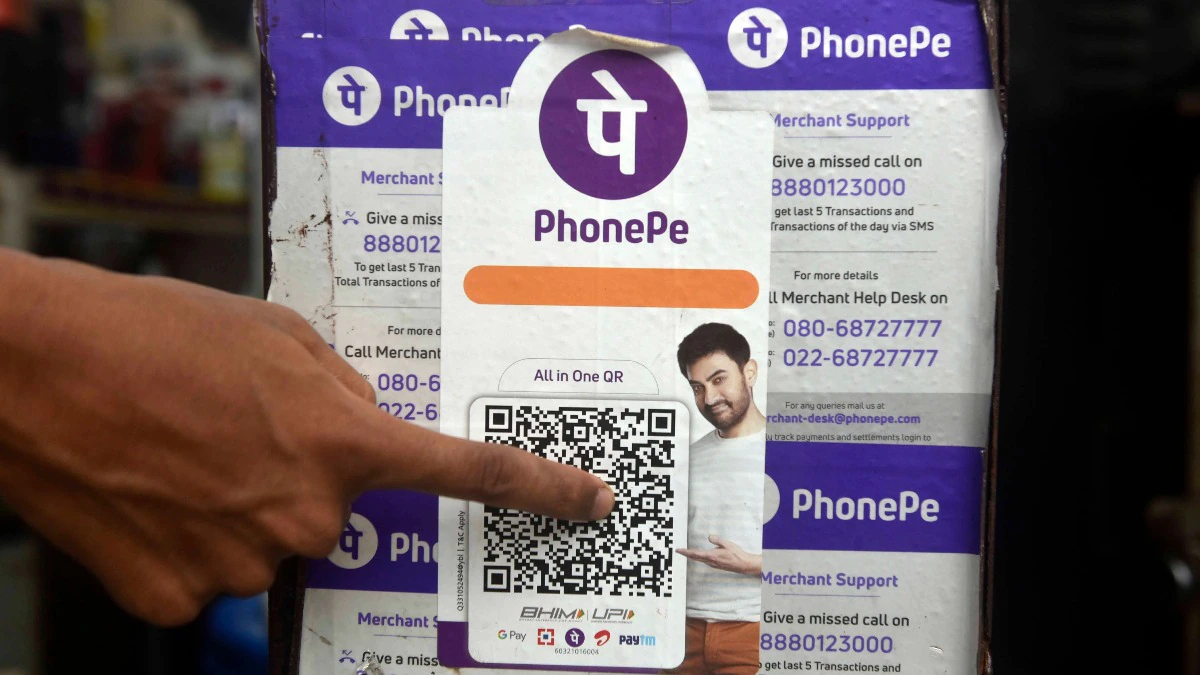

Walmart-backed fintech company PhonePe has restarted its IPO preparations, targeting a possible stock market listing in 2027. The proposed public offering could become one of India’s biggest fintech listings, bringing fresh attention to digital payments, startup valuations and investor interest in India’s technology sector.
PhonePe Restarts IPO Preparations After Earlier Pause
PhonePe has revived its initial public offering plans after temporarily putting the process on hold in March 2026.
According to reports published on November 25, 2026, the Bengaluru-based digital payments company has restarted discussions with investment bankers and is preparing to submit updated IPO documents to the Securities and Exchange Board of India (SEBI).
Reuters reported that the company is targeting a listing in the first quarter of 2027, with a proposed valuation of $12 billion to $15 billion. Banking sources indicated that updated draft papers could be filed within the next 30 to 45 days.
PhonePe had earlier paused its listing plans amid geopolitical tensions and volatility in global capital markets.
The improvement in market conditions and renewed investor interest in Indian equities are among the factors reportedly encouraging the company to reconsider its public listing.
However, PhonePe has not officially confirmed the revised listing date or valuation. The reported plans remain subject to market conditions and regulatory requirements. Reuters+2
PhonePe IPO 2027: Expected Valuation and Issue Size
The proposed PhonePe IPO is attracting attention because of the valuation being considered by the company and its existing investors.
According to Reuters, the fintech company is targeting a valuation between $12 billion and $15 billion, equivalent to approximately ₹1.08 lakh crore to ₹1.35 lakh crore at an illustrative exchange rate of ₹90 per dollar.
Different media reports have indicated slightly different issue-size estimates.
| IPO detail | Reported expectation |
|---|---|
| Expected listing | Early 2027 |
| Target valuation | $12 billion to $15 billion |
| Proposed issue size | $1.2 billion to $1.5 billion |
| Issue structure | Offer for Sale (OFS) |
| Updated IPO papers | Expected within 30 to 45 days |
| Majority shareholder | Walmart |
Reuters reported that the proposed offering would involve an entirely secondary share sale, meaning existing shareholders would sell a portion of their holdings.
Under the reported structure, Walmart is expected to reduce its stake, while Tiger Global and Microsoft are expected to exit their investments.
An offer for sale does not directly raise fresh capital for the company’s operations. Instead, the proceeds go to shareholders selling their shares.
The final IPO structure, price band and valuation will only become clear through the official regulatory documents and subsequent announcements. Reuters+2
What Is PhonePe and How Did It Become a Major Digital Payments Company?
PhonePe was launched in 2016 and has grown into one of India’s largest digital payments platforms.
The company initially focused on UPI-based money transfers and merchant payments. Over time, it expanded into several financial services and technology segments.
Its major offerings include:
- UPI payments: Money transfers, QR-code payments and everyday digital transactions.
- Merchant services: Payment acceptance solutions for shops, businesses and service providers.
- Insurance distribution: Digital access to selected insurance products.
- Lending distribution: Connecting eligible customers with lending products offered by financial institutions.
- Investment services: Access to stockbroking and mutual fund distribution through PhonePe Invest.
- PhonePe Appstore: An Android application distribution platform.
PhonePe operates under Walmart’s ownership, making it part of a wider international business ecosystem.
According to Business Standard, PhonePe had more than 735 million registered users and a merchant payment acceptance network covering over 50 million merchants as of October 2026.
Its extensive user and merchant network has become an important part of its business model. IPO – Business Standard+1
Why Did PhonePe Pause Its IPO Plans in March 2026?
PhonePe’s earlier decision to postpone its IPO reflected uncertainty in global financial markets.
In March 2026, the company put its listing plans on hold amid geopolitical tensions in the Middle East and volatility in international capital markets.
Such conditions can affect IPO valuations because investors may become more cautious about investing in companies with high growth expectations.
A weak market environment can also make it difficult for companies to attract institutional investors at their preferred valuations.
For a large fintech company planning a substantial public offering, market timing is particularly important.
The decision to restart IPO preparations in November suggests that the company and its advisers see an opportunity to revisit the public markets.
However, this does not mean the listing is guaranteed. Companies can change their IPO timelines, issue structures and valuations depending on investor demand and regulatory developments.
PhonePe’s proposed 2027 listing will therefore depend on both its financial performance and the conditions prevailing when the offering reaches the market. Reuters+1
PhonePe’s Financial Performance: Revenue Growth and Profitability
Investors evaluating the PhonePe IPO will closely examine the company’s revenue, expenses and progress towards sustainable profitability.
According to financial figures reported by Inc42, PhonePe’s operating revenue increased to ₹7,920.5 crore in FY26 from ₹7,105 crore in FY25, representing growth of approximately 11.5%.
However, the company also reported a wider net loss of ₹2,792 crore in FY26 compared with ₹1,727.4 crore in FY25.
These figures highlight an important consideration for investors: higher revenue does not automatically translate into profitability.
More recent reports based on banking sources indicate that PhonePe’s business has returned to approximately 40% year-on-year growth when excluding merchant discount rate revenue and government digital incentives.
The same reports indicate that the group recorded a positive profit after tax in the first half of FY27 before accounting for employee stock option costs.
Its lending distribution business reportedly grew by approximately 100% year-on-year.
These more recent figures are encouraging developments, but they should be distinguished from audited annual financial results. Investors will need to examine the detailed financial statements in the updated IPO documents to understand the company’s underlying profitability. Inc42 Media+2
How UPI Dominance Could Influence PhonePe’s IPO Valuation
One of PhonePe’s biggest strengths is its position in India’s Unified Payments Interface ecosystem.
UPI has become a major part of everyday financial activity, supporting transactions across grocery stores, restaurants, online shopping platforms and utility services.
PhonePe has built a substantial presence in this market.
According to Reuters, the platform processed approximately 11.4 billion transactions out of India’s total 25.4 billion UPI transactions in October 2026.
This represents roughly 45% of the country’s monthly UPI transaction volume.
Such a large transaction base gives PhonePe access to a wide network of consumers and merchants.
However, UPI transaction volume alone does not determine a company’s financial value. Investors also examine how effectively a payments platform converts its user base into revenue through merchant services, financial product distribution and other business activities.
There are also regulatory considerations. The National Payments Corporation of India (NPCI) has a 30% market-share framework for third-party UPI applications, and PhonePe’s position above this threshold makes compliance and any applicable extensions important considerations ahead of its proposed listing.
The interaction between market share, regulatory requirements and revenue generation will therefore be an important part of the PhonePe IPO discussion. Reuters+1
What PhonePe’s IPO Could Mean for India’s Startup Ecosystem
PhonePe’s proposed IPO could become an important development for India’s startup ecosystem, particularly for fintech companies preparing to enter the public markets.
For several years, Indian startups have relied heavily on venture capital and private equity funding to finance expansion. A successful public listing can provide an additional route for early investors and employees to realise part of their investments.
PhonePe’s offering could have implications in several areas.
1. More investor attention towards Indian fintech
A major PhonePe listing could encourage institutional investors to examine other Indian fintech businesses, including payment infrastructure providers, digital lenders and financial technology platforms.
2. Greater focus on profitability
Investors are increasingly interested in understanding whether large technology companies can convert user growth into sustainable earnings.
PhonePe’s financial performance could influence how public market investors assess other consumer-focused fintech companies.
3. Opportunities for startup employees
Public listings can create liquidity opportunities for employees holding vested employee stock options, depending on the company’s shareholding structure and applicable conditions.
4. A reference point for future IPOs
PhonePe’s valuation and investor response could become a reference point for other Indian startups planning public offerings in 2027.
However, a company’s IPO performance does not automatically determine the success of the wider startup ecosystem. Each business has different revenue models, financial risks and growth prospects.
How PhonePe’s IPO Could Compare With Paytm’s Market Debut
PhonePe’s proposed listing will also attract comparisons with Paytm, which entered the Indian stock market in November 2021.
Paytm’s parent company, One 97 Communications, raised approximately ₹18,300 crore through its IPO, making it one of India’s largest technology listings at the time.
The listing attracted considerable investor attention because it represented a major public-market milestone for India’s digital payments industry.
However, Paytm’s subsequent stock market performance demonstrated that a large user base and strong brand recognition do not automatically guarantee positive returns for shareholders.
PhonePe and Paytm operate in overlapping digital payments markets, but their business structures, revenue sources and financial positions are not identical.
Investors will therefore need to evaluate PhonePe independently rather than relying only on comparisons with previous fintech listings.
The company’s ability to generate sustainable earnings, manage regulatory requirements and expand its financial services business will be important factors in determining investor interest.
What Should Investors Watch Before the PhonePe IPO?
Investors interested in the proposed PhonePe IPO should wait for the company’s updated draft red herring prospectus (DRHP) and examine the details carefully.
Some important factors to monitor include:
- Revenue growth: Whether the company can maintain its reported growth momentum.
- Profitability: Whether operating performance translates into sustainable profits after all expenses.
- UPI regulations: How changes in merchant payment charges and transaction market-share rules affect the business.
- Competition: How PhonePe competes with Google Pay, Paytm and other digital payment platforms.
- IPO valuation: Whether the proposed valuation is supported by its financial performance and business prospects.
- Use of IPO proceeds: Whether the offering involves only an offer for sale or includes any fresh capital issuance.
Investors should also examine the risks disclosed in the official offer documents rather than making decisions based on media reports or expected listing valuations.
The reported $12 billion to $15 billion valuation is a proposed target, not a confirmed market value.
What Comes Next for PhonePe?
PhonePe’s decision to restart IPO preparations marks an important development for India’s fintech industry.
The company is reportedly targeting an early 2027 listing and preparing updated regulatory documents. Its extensive UPI presence, expanding financial services business and recent growth figures could attract attention from domestic and international investors.
At the same time, profitability, regulatory compliance and competition will remain important considerations.
If the proposed offering moves forward, PhonePe could become one of the most closely watched fintech listings in India’s public markets.
For the broader startup ecosystem, the development will offer another opportunity to understand how investors value large Indian technology businesses as they transition from private funding to public ownership.
Key Takeaways
- PhonePe has revived its IPO preparations and is targeting a possible listing in early 2027.
- The proposed valuation is between $12 billion and $15 billion, according to banking sources cited by Reuters.
- The reported IPO is expected to involve an offer for sale by existing shareholders, rather than fresh capital for the company.
- PhonePe’s UPI market position, financial performance, profitability and regulatory requirements will influence investor interest.
Frequently Asked Questions (FAQs)
1. When is PhonePe expected to launch its IPO?
PhonePe is reportedly targeting a listing in the first quarter of 2027. However, the company has not officially confirmed the final listing date.
2. What is the expected valuation of PhonePe’s IPO?
According to reports published on November 25, 2026, PhonePe is targeting a valuation of $12 billion to $15 billion. The final valuation will depend on the IPO process and investor demand.
3. Who owns PhonePe?
PhonePe is majority-owned by Walmart. The company was originally founded in 2015 and launched its digital payments application in 2016.
4. Will PhonePe’s IPO provide fresh funds to the company?
Current reports indicate that the proposed offering will primarily be an Offer for Sale (OFS), through which existing shareholders sell their shares. Under this structure, the proceeds go to selling shareholders rather than directly to the company.