
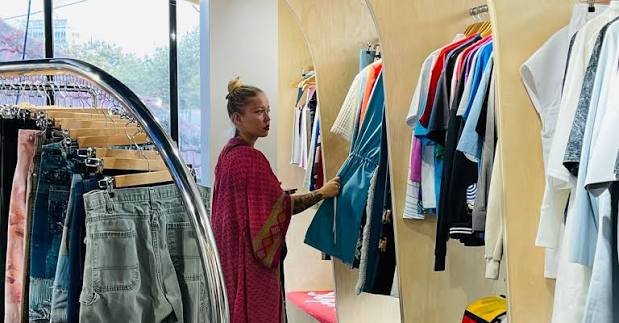

Tier-2 and Tier-3 cities are playing a growing role in India’s fashion e-commerce market. Rising digital adoption, wider product choices, affordable fashion brands and changing consumer preferences are encouraging retailers to look beyond metropolitan markets.
Smaller Cities Are Reshaping India’s Online Fashion Market
Tier-2 and Tier-3 fashion markets are becoming an important part of India’s online shopping growth. For years, major cities such as Mumbai, Delhi, Bengaluru and Hyderabad attracted much of the attention from fashion brands and e-commerce companies. That pattern is changing as smaller cities contribute a larger share of new online shoppers and orders.
According to Bain & Company’s How India Shops Online 2026 report, India’s e-retail market reached an estimated $65 billion to $66 billion in gross merchandise value in 2025. The number of online shoppers doubled over five years to approximately 290 million to 300 million.
The report identifies Gen Z, middle-income households and Tier-2 and smaller cities as major contributors to incremental shopper growth. Tier-2 and above cities accounted for approximately half of India’s incremental e-retail orders in 2025. Bain & Company, Inc.
Why Tier-2 and Tier-3 Cities Are Attracting Fashion Brands
The growing importance of smaller cities is linked to better internet access, smartphone adoption, digital payments and improvements in delivery networks.
Consumers in cities such as Nagpur, Indore, Jaipur, Lucknow, Coimbatore, Patna and Bhubaneswar can now browse products from national and international brands without depending entirely on local retail stores.
This wider access has changed shopping expectations. Customers who previously had limited choices in nearby markets can compare prices, designs, sizes and customer reviews through online platforms.
CareEdge Ratings’ January 2026 report on India’s apparel retail market identifies Tier-2 and Tier-3 cities as major growth hubs. It points to rising disposable incomes, digital adoption and evolving consumer preferences as factors supporting expansion.
Brands including Zudio, Max Fashion, Reliance’s Yousta and StyleUp are increasing their presence in smaller cities, particularly through value-focused retail formats. CareEdge
Affordable Fashion Is Driving Online Shopping Demand
Price remains an important factor in India’s fashion market. Many shoppers want access to current styles but also compare prices carefully before purchasing.
This has created opportunities for value-fashion brands and online marketplaces offering affordable clothing, footwear and accessories. Products such as everyday T-shirts, jeans, kurtas, ethnic wear, casual shirts and footwear attract customers looking for practical purchases at accessible prices.
CareEdge Ratings estimates that India’s value-fashion market was worth around ₹3.5 lakh crore in FY24. It projects the segment to reach approximately ₹5 lakh crore by FY30, growing at an estimated compound annual rate of 7%.
The report connects this growth with increasing brand awareness and changing fashion preferences, particularly in smaller cities.
For online retailers, affordable fashion also creates opportunities to attract first-time buyers. Once customers become comfortable with online ordering, they may gradually explore additional categories, brands and higher-priced products. CareEdge
Gen Z and Young Consumers Are Influencing Fashion Choices
Younger consumers are contributing to the changing fashion landscape in smaller cities. Social media platforms, fashion creators and online marketplaces expose them to trends that previously reached metropolitan consumers first.
Gen Z shoppers often discover clothing through Instagram Reels, YouTube videos and creator recommendations. They can then compare similar products across different shopping applications before making a purchase.
Bain’s 2026 report estimates that Gen Z accounts for 40% to 45% of India’s online retail shoppers. The report also identifies this group as one of the major contributors to new online shopper growth.
Their influence is visible in demand for casual clothing, sneakers, streetwear, ethnic-fusion outfits and accessories. However, preferences vary across regions and individual consumers. A trend popular among college students in Jaipur may not necessarily have the same demand among working professionals in Coimbatore.
Brands therefore need to understand local customer preferences rather than assume that one national fashion trend will work everywhere. Bain & Company, Inc.+1
Regional Fashion Preferences Are Creating New Opportunities
India’s fashion market is not uniform. Climate, culture, festivals, occupations and local traditions influence what people purchase.
For example, demand for traditional clothing can increase around weddings and festivals, while everyday shopping may focus on comfortable casual wear and workwear. Regional preferences also influence colours, fabrics, designs and clothing styles.
Online marketplaces have helped make regional fashion categories more visible. Customers can explore sarees, kurtas, salwar suits, regional designs and contemporary ethnic wear from sellers located in other parts of the country.
Flipkart’s fashion expansion provides an example. A Business Standard report in May 2025 noted that more than half of the platform’s ethnic-wear customer volume came from Tier-3 towns and smaller locations. The platform reported over six million unique ethnic-wear customers during the preceding year, with nearly 90% of sales coming from repeat buyers.
This suggests that regional and ethnic fashion is not limited to occasional festive purchases. It can also generate regular demand when products meet customers’ everyday requirements. Start Ups – Business Standard
E-Commerce Is Giving Smaller Cities Access to More Brands
One of the biggest changes in smaller-city fashion shopping is the wider availability of products.
Physical stores cannot stock every brand, design, size and colour. Their inventory is limited by shelf space, local demand and operating costs. Online marketplaces can display a much wider selection through networks of sellers and warehouses.
Bain’s 2025 research, published in its How India Shops Online 2025 report, found that more than 60% of new e-retail shoppers since 2020 came from Tier-3 and smaller cities. It also found that more than 45% of e-retail orders placed since 2023 came from Tier-3 and smaller locations.
The 2026 report continues to highlight the importance of these markets, estimating that Tier-2 and above cities contributed around half of incremental e-retail orders in 2025.
For fashion buyers, this means access to national brands and a wider selection of products without travelling to a metropolitan shopping district. Bain & Company, Inc.+1
Delivery Networks and Digital Payments Are Supporting Growth
Product availability alone cannot drive online fashion shopping. Customers also need reliable delivery, convenient payment methods and a manageable return process.
E-commerce companies have expanded logistics networks to serve more PIN codes. Better road connectivity, regional warehouses and delivery partnerships help platforms reach customers outside major urban centres.
Digital payments have also reduced friction during checkout. UPI allows customers to pay directly through supported banking applications without relying on cash or entering card details for every transaction.
The Retailers Association of India and Innoviti’s October 2026 SANKET report analysed more than 70 million purchases across over 100,000 checkout points in 2,800 towns and cities.
It found that Tier-3 markets recorded retail spending growth of 8% in July, 11.9% in August and 8.6% in September 2026. These rates were higher than the corresponding growth in Tier-1 cities.
Fashion and lifestyle retail also recorded positive growth, rising 8.5% in August and 7.7% in September. The figures cover organised retail checkout activity across categories, rather than online fashion orders alone, but they indicate stronger spending momentum in smaller markets. Innoviti Press Release
Festive Shopping Is Increasing Fashion Demand
Festivals and wedding seasons remain important periods for fashion retailers in India. Consumers often purchase ethnic clothing, footwear, accessories and occasion wear during Diwali, Navratri, Durga Puja and wedding celebrations.
Smaller cities contribute significantly to this demand because local festivals and family occasions influence clothing purchases throughout the year.
The October 2026 RAI-Innoviti analysis found that fashion and lifestyle spending in eastern India increased by 28.3% during the pre-Navratri comparison period. This was higher than the 14.7% growth recorded across the rest of India during the same comparison.
The study measured digitally paid retail spending over festival-aligned periods, rather than online fashion sales alone. Still, it highlights how regional festival calendars can affect clothing and lifestyle demand.
For e-commerce platforms, this creates opportunities to plan regional campaigns, stock relevant products and promote collections suited to local celebrations. Innoviti Press Release
Challenges Fashion Retailers Face in Smaller Cities
Although smaller cities offer significant opportunities, expanding into these markets also creates operational challenges.
Price sensitivity: Customers may compare several products before purchasing. Brands need to balance quality, design and affordability.
Size and fit concerns: Online shoppers cannot physically try clothing before ordering. Inconsistent sizing can lead to returns and customer dissatisfaction.
Delivery and returns: Reaching less-connected locations and managing reverse logistics can increase operational costs.
Trust and product quality: First-time buyers may hesitate to purchase from unfamiliar brands. Accurate product photographs, clear descriptions, verified reviews and transparent return policies are important.
Regional differences: A single marketing campaign may not appeal equally to customers across different states and cities. Language, climate and cultural preferences can influence product demand.
Brands that address these issues can build stronger customer relationships and encourage repeat purchases instead of depending only on discounts.
What This Shift Means for India’s Fashion Industry
The growth of Tier-2 and Tier-3 fashion markets is changing the expansion strategies of retailers. Instead of treating smaller cities as secondary markets, companies are increasingly considering them when planning online campaigns, store locations, product collections and distribution networks.
CareEdge Ratings projects India’s overall apparel retail market to grow from an estimated ₹9.3 lakh crore in FY25 to approximately ₹16 lakh crore by FY30. It expects e-commerce and value fashion to contribute to this expansion.
The opportunity extends beyond large fashion companies. Direct-to-consumer brands, regional clothing businesses and smaller sellers can reach customers through online marketplaces without establishing physical stores in every city.
For consumers, the shift means more choices and easier access to brands. For retailers, it means competition will increasingly depend on understanding regional demand, offering the right price and providing a dependable shopping experience.
The next phase of India’s fashion e-commerce growth is likely to depend not only on metropolitan spending but also on how effectively companies serve customers in smaller cities. CareEdge+1
Key Takeaways
- Tier-2 and above cities contributed approximately half of India’s incremental e-retail orders in 2025, according to Bain’s 2026 report.
- Affordable fashion, ethnic wear and changing preferences among young consumers are supporting demand in smaller markets.
- Better delivery networks, wider product availability and digital payments are making online fashion shopping more accessible.
- Regional preferences, pricing, product quality and reliable returns will influence how successfully brands expand beyond metros.
FAQs
1. Why are Tier-2 and Tier-3 cities important for India’s fashion industry?
These cities are contributing a growing share of new online shoppers and e-commerce orders. Rising digital adoption, wider product availability and changing consumer preferences are creating opportunities for fashion brands.
2. Which fashion categories are popular in smaller Indian cities?
Everyday casual wear, ethnic clothing, kurtas, sarees, footwear, accessories and affordable fashion products attract demand. Preferences vary according to regional culture, climate, festivals and customer budgets.
3. How is e-commerce changing fashion shopping in smaller cities?
Online platforms give customers access to more brands, sizes, designs and price options than may be available in nearby physical stores. They also allow shoppers to compare products and read reviews before purchasing.
4. Are fashion brands expanding into Tier-2 and Tier-3 cities?
Yes. Brands such as Zudio, Max Fashion, Reliance’s Yousta and StyleUp are increasing their presence in smaller markets. E-commerce companies are also expanding their delivery and seller networks to reach more customers.