
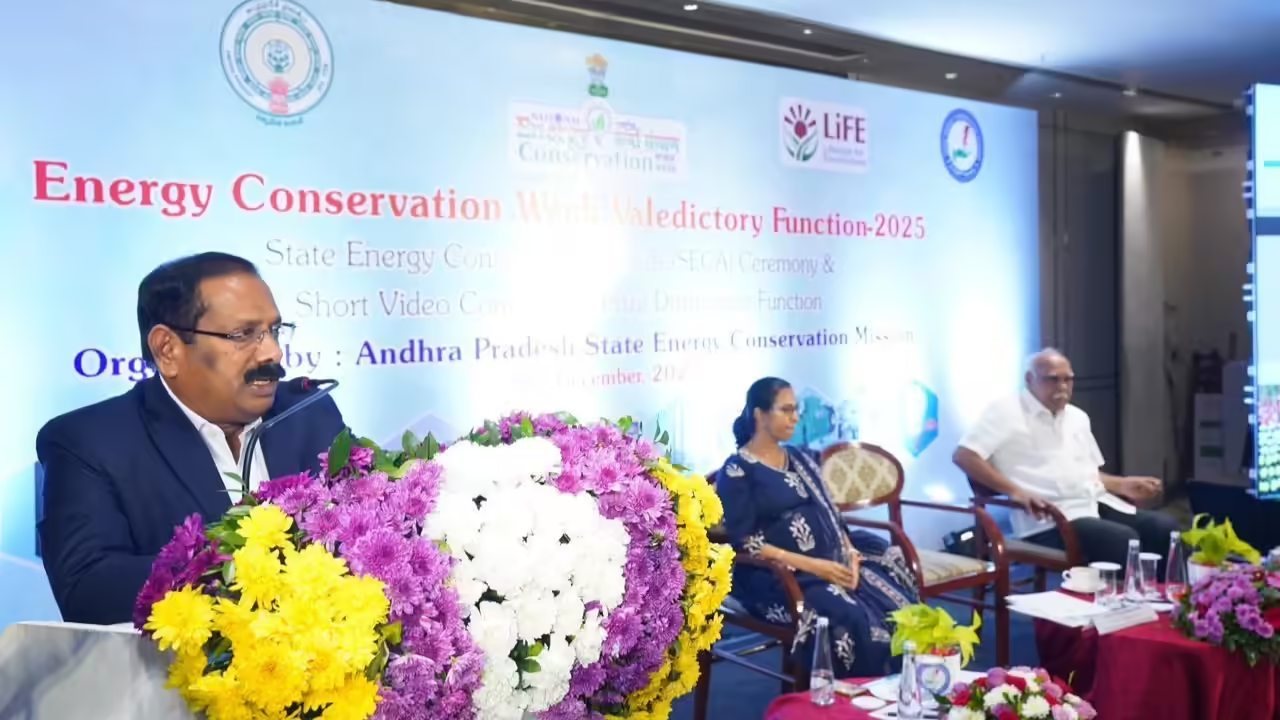

Andhra Pradesh named national energy conservation role model marks a significant milestone in India’s transition toward efficient and sustainable power use. The recognition reflects years of policy alignment, infrastructure investment, and sector specific reforms that have reshaped how the state generates, distributes, and consumes energy.
This topic is time sensitive. The recognition is recent and tied to current policy outcomes, but the strategies and investments discussed have long term implications. The tone of this article follows a news reporting approach while explaining the structural changes behind the recognition.
Andhra Pradesh named national energy conservation role model because of its consistent focus on reducing energy intensity across agriculture, industry, urban infrastructure, and public utilities. The state’s approach combines technology adoption, regulatory enforcement, and targeted incentives rather than isolated pilot projects.
Power Sector Reforms Driving Energy Efficiency
One of the key reasons Andhra Pradesh received national recognition lies in its power sector reforms. The state focused on improving transmission and distribution efficiency to reduce aggregate technical and commercial losses. Investments in smart meters, feeder separation, and real time monitoring helped utilities track consumption patterns more accurately.
Loss reduction directly translates into energy conservation. Power saved at the distribution level reduces the need for additional generation. Andhra Pradesh prioritized this approach instead of expanding capacity alone.
The state also encouraged time based power usage in commercial and industrial segments. By shifting consumption away from peak hours, overall system efficiency improved without compromising supply reliability.
Agricultural Energy Use and Irrigation Reforms
Agriculture remains one of the largest consumers of electricity in Andhra Pradesh. Energy conservation efforts here focused on pump efficiency rather than restricting access. Large scale replacement of outdated pump sets with energy efficient models significantly reduced power consumption.
Micro irrigation systems such as drip and sprinkler irrigation were promoted alongside efficient pumps. These measures lowered both water and energy usage while maintaining crop output.
Feeder segregation ensured predictable power supply schedules for farmers. This reduced wastage caused by uncontrolled usage and improved load management across rural networks.
Renewable Energy Integration and Storage Focus
Andhra Pradesh invested heavily in renewable energy integration while aligning it with conservation goals. Large scale solar and wind projects were developed with grid stability planning rather than ad hoc capacity additions.
Energy storage solutions and forecasting tools were introduced to manage variability in renewable generation. This reduced dependence on inefficient backup power sources during peak demand periods.
The state also promoted rooftop solar adoption in urban and semi urban areas. Net metering policies encouraged households and institutions to generate and consume clean energy locally, easing pressure on the grid.
Industrial and Commercial Energy Efficiency Measures
Industrial energy efficiency formed another pillar of Andhra Pradesh’s conservation strategy. Energy audits were mandated for high consumption industries, with clear benchmarks for improvement.
Incentives were provided for adopting efficient machinery, waste heat recovery systems, and automated controls. Industrial clusters were encouraged to share best practices through common facility centers.
Commercial buildings followed energy conservation building codes more strictly. Lighting upgrades, efficient cooling systems, and better insulation reduced electricity demand in malls, offices, and hotels.
Urban Infrastructure and Public Utilities
Urban local bodies played a key role in reducing public energy consumption. Street lighting systems were converted to LED technology across municipalities. Smart controls allowed dimming during low traffic hours, cutting unnecessary usage.
Water supply systems adopted efficient motors and automated pumping schedules. This reduced round the clock pumping and optimized energy use based on actual demand.
Public transport electrification, including electric buses, contributed to lower fossil fuel dependence while improving energy efficiency per passenger kilometer.
Policy Coordination and Institutional Capacity
Recognition as a national energy conservation role model was also driven by strong policy coordination. Energy departments worked closely with agriculture, urban development, and industry departments to align objectives.
Dedicated energy efficiency cells monitored progress, evaluated outcomes, and refined strategies. Data driven decision making replaced ad hoc interventions.
Capacity building programs trained engineers, utility staff, and local administrators to implement conservation measures effectively at the ground level.
What This Recognition Means Going Forward
The recognition positions Andhra Pradesh as a reference state for others pursuing energy efficiency goals. It strengthens investor confidence in clean energy and efficiency linked projects.
For residents, sustained conservation efforts translate into improved supply reliability and controlled long term costs. For industries, it creates a stable policy environment that rewards efficiency.
The challenge ahead lies in maintaining momentum as demand grows. Conservation must continue alongside economic expansion to retain its impact.
Takeaways
- Andhra Pradesh earned recognition through system wide energy efficiency reforms
- Agriculture and power distribution were central focus areas
- Renewable integration was aligned with grid stability and conservation
- Strong policy coordination enabled sustained implementation
FAQs
Why was Andhra Pradesh named a national energy conservation role model?
The state demonstrated consistent reductions in energy losses, efficient agricultural usage, renewable integration, and strong policy execution.
Does energy conservation affect power availability for consumers?
No. Efficient usage improves supply reliability by reducing wastage and peak load stress.
Which sectors contributed most to conservation efforts?
Power distribution, agriculture, urban infrastructure, and industry contributed significantly.
Will these measures reduce electricity costs for consumers?
Over time yes. Reduced losses and efficient consumption help stabilize tariffs and improve service quality.