
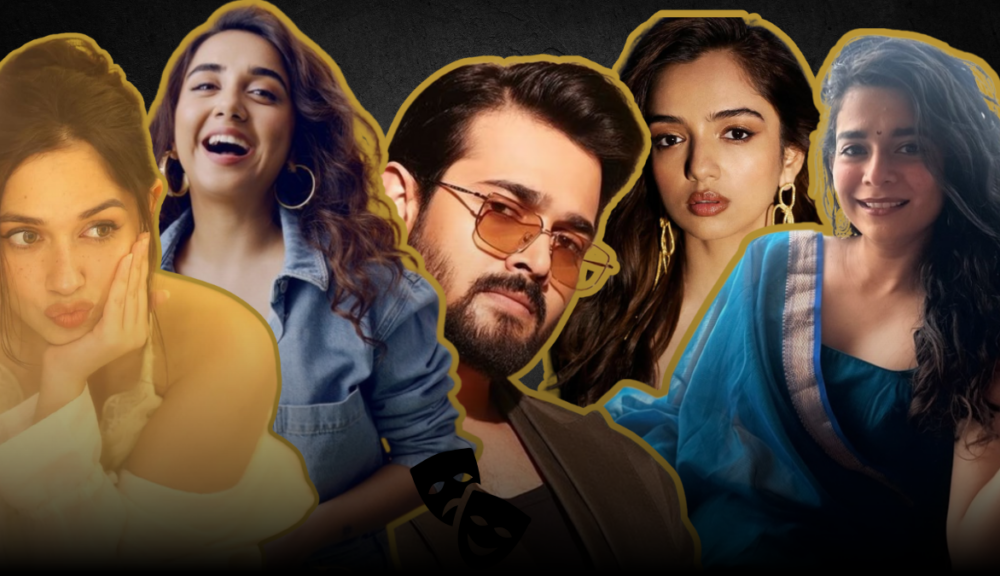

Content creators from non metro cities are now entering major web series as actors, writers and on screen talents, signalling a major shift in India’s entertainment pipeline. The main keyword creators from non metro cities frames how talent outside metros is shaping today’s biggest streaming releases.
The rise of digital platforms, short video ecosystems and regional storytelling has opened doors for creators who did not follow the traditional Mumbai or Delhi routes. This year, several web series featured breakout talents from Tier 2 and Tier 3 backgrounds, proving that the industry’s centre of gravity is broadening.
How the creator economy became a talent launchpad
Social platforms have become the primary place where casting teams discover new faces. Secondary keywords like digital creators and emerging actors belong naturally here. Short form videos, reels, podcasts and micro sketches allow creators to showcase personality, timing and relatability without needing industry connections. When these creators go viral in their regional market, streaming platforms take notice. Several web series this year cast such creators after watching their consistent digital performances. Their online communities also help marketing, giving platforms built in engagement.
Many non metro creators focus on realistic characters and small town humour, which align with current OTT storytelling trends. Casting directors see this as an advantage because these creators naturally fit the new wave of regional centric narratives.
Regional authenticity becomes a competitive advantage
Writers and directors increasingly want real accents, behaviours and local energy for their shows. Creators from non metro cities carry this authenticity effortlessly. Their content often reflects small town dialects, working class aspirations or cultural nuances that metro based actors struggle to portray convincingly. As web series shift toward Tier 2 settings, casting local creators strengthens realism.
Shows filmed in cities like Indore, Bhopal, Jaipur, Lucknow, Patna or Coimbatore often recruit local digital creators because they understand the rhythm of these environments. Even when shows are filmed elsewhere, scripts now demand characters from smaller cities, making non metro talent more relevant than ever.
Training, discipline and format adaptability
Many successful creators from smaller cities are self taught. They learn camera presence, timing, editing and script structure by experimenting on social platforms. This gives them a fast learning curve once they enter formal sets. They are comfortable with different formats: multiple takes, long scripts, ensemble casts and professional lighting setups.
Because these creators manage their own channels, they also bring discipline and content literacy. Directors note that such creators handle improvisation well and adapt quickly to industry expectations. Their familiarity with audience behaviour and trending formats also helps shows develop scenes that feel modern and relatable.
Industry recognition and rising opportunity pipelines
This year, several web series highlighted creators who built early careers in non metro regions before transitioning to OTT. Talent management agencies now scout aggressively in regional belts, signing small town creators with high engagement. Workshops, writing labs, acting bootcamps and regional casting festivals have expanded outside metros, creating a more inclusive talent ecosystem.
Streaming platforms are investing heavily in localized productions. When scripts are set in particular towns, creators from those areas often get priority auditions. This increases the visibility of Tier 2 talent and diversifies storytelling. Many creators also contribute as writers, dialect coaches or cultural consultants because they understand local nuances better than metro based teams.
Why non metro talent resonates with audiences
Audiences increasingly prefer grounded, imperfect and real characters. Non metro creators portray such roles intuitively. Their performances feel natural because they draw from lived experiences that match the storyline. When audiences recognise these traits, engagement increases. Scenes feel more believable, humour lands authentically and emotional beats connect more deeply.
This resonance is part of a larger cultural shift. Youth from smaller cities want representation, and these creators give them that. At the same time, metro audiences find these characters refreshing, creating a universal appeal.
Challenges creators still face when entering OTT
Despite rising success, creators from smaller towns face hurdles. They navigate unfamiliar industry structures, scheduling constraints, auditions and language expectations. Relocating temporarily to Mumbai or Hyderabad for shoots can be expensive. Balancing online content creation with long OTT shoots is another challenge because platforms require exclusive rights to certain content formats.
Yet the momentum continues. As more creators succeed, the path becomes clearer. Peer networks, mentorship and regional training formats are reducing barriers.
What the rise of non metro creators means for OTT
The shift indicates that the entertainment industry is no longer limited to traditional talent corridors. OTT platforms now treat India’s creator economy as a nationwide talent pool. This broadens the cultural map of storytelling, making content richer, more diverse and more aligned with emerging audiences. For creators, it signals long term opportunity. For viewers, it promises more authentic stories. For platforms, it provides an efficient route to discover tested talent with built in reach.
Takeaways
• Digital creators from non metro cities are now entering major web series as actors and writers
• Regional authenticity, dialects and relatable humour give them a natural advantage
• OTT platforms actively scout talent from Tier 2 and Tier 3 regions
• The rise of non metro creators strengthens cultural diversity and audience connection
FAQs
How are non metro creators discovered for web series?
They are usually spotted through viral videos, short form content or regional creator communities that casting teams track closely.
Do these creators need formal acting training?
Not always. Their content experience often builds natural timing and presence, though some attend workshops once they enter the industry.
Are non metro creators only used for regional storylines?
No. While they fit regional scripts well, many go on to play metropolitan characters after gaining exposure.
What helps a creator transition smoothly to OTT?
Consistency, disciplined content habits, script adaptability and a clear understanding of audience behaviour support successful transitions.