
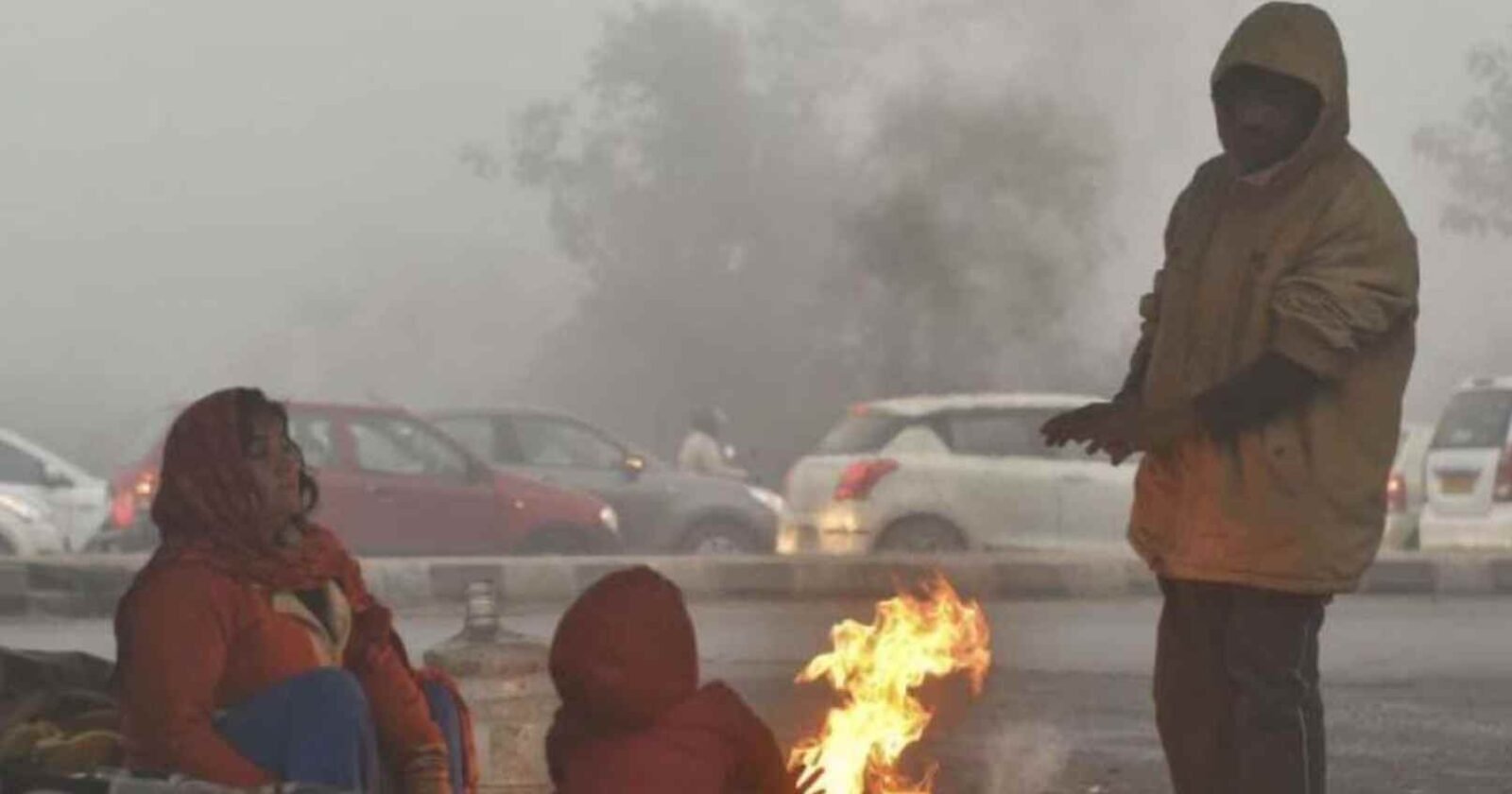

Dense fog and cold wave alert conditions are impacting transport, schools, and daily routines across north and central Indian cities. Prolonged low visibility, falling temperatures, and delayed services are affecting millions, particularly in urban and semi urban regions during peak winter weeks.
This is a time sensitive news topic. The tone below is reporting driven, focused on current impacts, patterns, and practical implications without speculation.
Transport disruption due to dense fog conditions
Dense fog has emerged as the most immediate disruption factor for transport systems. Visibility dropping to very low levels during early morning and late night hours is affecting road, rail, and air movement across several states.
Highways connecting major cities are witnessing slower traffic flow as vehicles reduce speed to avoid accidents. Multi vehicle pile ups, though not widespread, remain a persistent risk during peak fog hours. Public transport buses are operating with delays, especially on intercity routes that pass through open stretches.
Rail services are facing schedule disruptions, with several long distance trains running behind time. Fog accumulation along tracks reduces operational speed, leading to cascading delays. Urban commuters relying on suburban rail or early morning trains are experiencing extended travel times.
Air travel is also impacted, particularly at airports prone to winter fog. Delays and rescheduling are becoming common during morning arrival and departure windows.
Impact on schools and academic schedules
Cold wave conditions combined with dense fog are directly affecting school operations in north and central Indian cities. Many schools are adjusting timings to reduce exposure to extreme cold during early morning hours.
In several cities, primary classes are starting later than usual, while outdoor activities are restricted. Parents are expressing concern over visibility during school commutes, especially for younger children who depend on buses or shared transport.
Attendance levels are showing fluctuations as families choose to keep children at home on days with severe fog warnings. Higher classes and colleges are generally continuing operations, but punctuality is affected due to transport delays.
Examinations, where scheduled, are being conducted with flexibility in reporting times to accommodate weather related disruptions.
Daily life challenges for working professionals
Working professionals are facing significant routine disruptions due to dense fog and cold wave alerts. Office commutes are taking longer, leading to late arrivals and reduced productivity during early hours.
Many offices are informally allowing delayed reporting, especially in cities where visibility remains poor until mid morning. For outdoor workers, including delivery personnel and construction staff, cold exposure is affecting efficiency and safety.
Household routines are also adjusting. Morning errands, exercise schedules, and market visits are being postponed to later hours when visibility improves and temperatures rise slightly.
The combination of cold stress and travel uncertainty is leading to shorter outdoor activity windows across urban populations.
Health concerns during cold wave conditions
Cold wave alerts carry health implications beyond discomfort. Prolonged exposure to low temperatures increases the risk of respiratory infections, joint pain, and cardiovascular stress, particularly among elderly individuals and children.
Hospitals and clinics are reporting a rise in seasonal ailments such as cough, cold, and breathing difficulty. Fog pollution interaction is worsening air quality in several cities, aggravating asthma and bronchial conditions.
Medical professionals advise limiting early morning exposure, wearing layered clothing, and maintaining indoor warmth. For vulnerable groups, routine check ups and medication adherence become more critical during extended cold spells.
Effect on local businesses and services
Dense fog and cold wave conditions are influencing local economic activity. Morning footfall in markets, street vending zones, and service centres has reduced noticeably.
Small businesses that depend on early day sales are adjusting operating hours. Food vendors, milk supply chains, and logistics services are facing minor but recurring delays due to transport constraints.
In contrast, demand for winter essentials such as heaters, warm clothing, and hot food items has increased. Local service patterns are shifting to align with weather driven consumer behaviour.
Regional variation in severity and response
The severity of fog and cold wave impact varies across north and central Indian cities. Some areas experience persistent fog for several consecutive days, while others see intermittent improvement.
Cities with open plains and nearby water bodies tend to experience denser fog. Urban centres with heavy traffic and pollution also see prolonged low visibility due to particulate accumulation.
Local administrations are issuing advisories, adjusting traffic management, and coordinating with schools and transport authorities. The response focus remains on minimizing accidents and maintaining essential services.
Short term outlook and adaptive behaviour
Cold wave and fog conditions typically persist in phases rather than continuously. Residents are adapting by adjusting schedules, working remotely where possible, and consolidating travel.
Weather alerts are becoming part of daily planning, influencing decisions on travel timing and outdoor activity. This adaptive behaviour is reducing risk even as conditions remain challenging.
As temperatures gradually stabilize later in the season, fog intensity is expected to reduce, restoring normalcy across affected regions.
Takeaways
Dense fog is disrupting road, rail, and air transport
Schools are adjusting timings to protect children
Cold wave conditions are increasing health risks
Daily routines are shifting to later, safer hours
FAQs
Why is dense fog more common during winter mornings?
Cold temperatures and moisture near the ground cause condensation, reducing visibility during early hours.
Are schools closed during cold wave alerts?
Most schools adjust timings rather than closing completely, depending on severity.
How long do transport delays usually last during fog?
Delays are most severe in early mornings and typically ease as visibility improves after sunrise.
Who is most at risk during cold wave conditions?
Elderly people, children, and those with respiratory or heart conditions face higher health risks.