
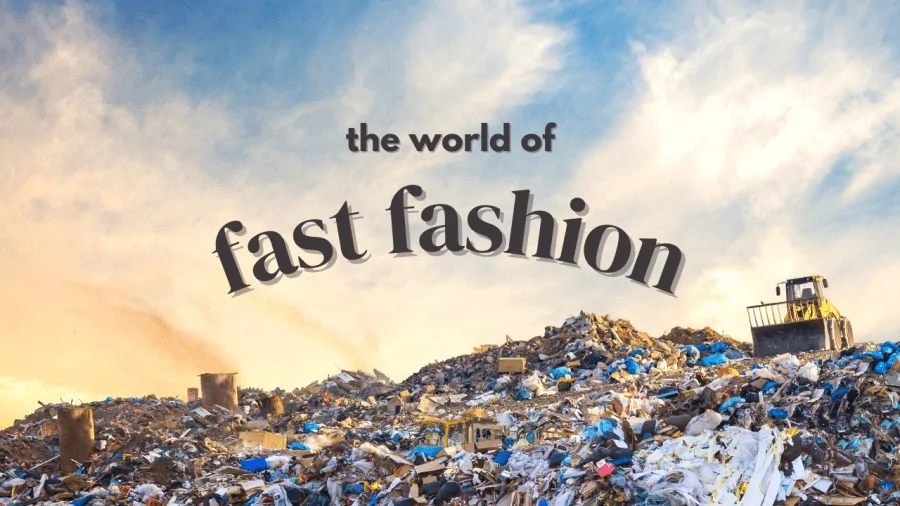

Fast fashion has transformed the way Indians shop, with trendy, affordable clothing available at the click of a button or in local markets. However, this convenience comes at a hidden cost. The rapid production cycles, synthetic fabrics, and mass consumption patterns are placing enormous pressure on the environment. From water pollution to carbon emissions, the fashion industry is quietly contributing to ecological degradation that affects cities and rural communities alike.
The Environmental Toll of Fast Fashion:
Fast fashion relies on large-scale production using synthetic fibers like polyester, which are non-biodegradable. These fabrics release microplastics into water systems when washed, polluting rivers and coastal areas in India. Textile manufacturing also consumes massive amounts of water and chemicals, impacting local water resources. Cities like Tirupur, a textile hub, have faced water contamination and declining groundwater levels due to unchecked industrial discharge.
Carbon Footprint and Climate Impact:
The fashion industry contributes significantly to global greenhouse gas emissions. Rapid production, long-distance shipping, and energy-intensive factories increase the carbon footprint of every garment. For Indian consumers, this means that the inexpensive clothes they buy are indirectly contributing to climate change, with consequences such as extreme weather events affecting agriculture, urban living, and energy systems.
Social and Economic Implications:
Fast fashion doesn’t just hurt the planet—it also affects people. In India, garment workers often face unsafe working conditions, low wages, and job insecurity to keep production costs low. The pressure to produce cheap clothing quickly can lead to exploitation, affecting communities in Tier 2 and Tier 3 cities where textile manufacturing is a major source of employment.
Towards Sustainable Choices:
Awareness is the first step toward reducing the hidden costs of fast fashion. Indian consumers can choose brands that emphasize ethical production, use natural fabrics, and promote recycling or upcycling initiatives. Supporting local artisans and smaller homegrown brands not only reduces environmental impact but also strengthens India’s traditional textile economy.
The Role of Policy and Industry:
Government regulations and industry accountability are crucial. Encouraging sustainable textile practices, proper waste management, and water treatment facilities can mitigate the negative impacts. Retailers adopting eco-friendly production methods and transparent supply chains will help shift the fashion industry toward sustainability while still serving growing urban and semi-urban markets.
Conclusion:
Fast fashion may seem affordable and convenient, but its hidden costs are immense. Environmental degradation, social exploitation, and economic pressures are part of the true price of cheap clothing. For Indian consumers, making conscious choices and supporting sustainable practices can protect the planet and communities alike. Understanding these hidden costs empowers shoppers to contribute to a more responsible and environmentally friendly fashion ecosystem.