
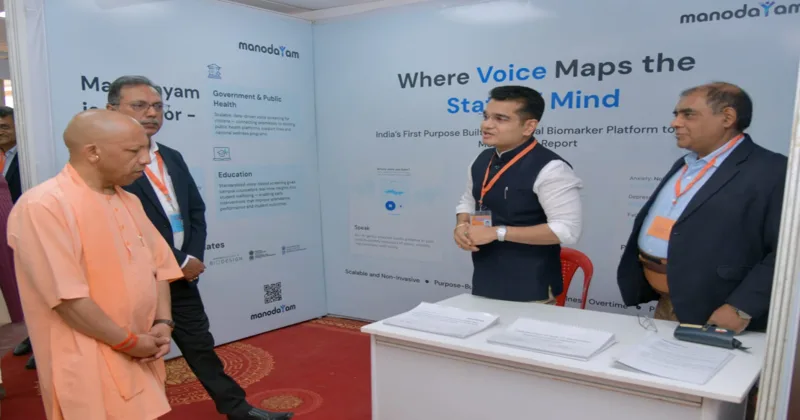

The Gorakhpur IT Park push is emerging as a significant development in Uttar Pradesh’s digital infrastructure strategy, with new STPI centres expected to generate local employment and attract tech investment. This shift reflects a broader trend of IT expansion into Tier-2 cities across India.
Gorakhpur IT Park Push and Its Strategic Importance
The Gorakhpur IT Park push is part of a larger policy effort to decentralise India’s IT sector and reduce dependence on metro cities. The Software Technology Parks of India initiative, led by Software Technology Parks of India, has been actively expanding into smaller cities to create regional technology hubs.
Gorakhpur, traditionally known for agriculture and trade, is now being positioned as an emerging IT destination in eastern Uttar Pradesh. The establishment of IT parks and STPI centres aims to provide infrastructure for startups, IT firms, and freelancers who previously had to migrate to cities like Bengaluru or Hyderabad.
This development aligns with national goals of balanced regional growth and digital inclusion.
What STPI Centres Bring to Tier-2 Cities
STPI centres play a critical role in enabling IT growth by offering plug and play office infrastructure, high-speed data connectivity, and regulatory support. These centres also provide incubation facilities for startups and early-stage companies.
In cities like Gorakhpur, such infrastructure reduces entry barriers for local entrepreneurs. Instead of investing heavily in office setup and technology, startups can operate from ready-to-use facilities.
Additionally, STPI centres often act as a bridge between government policies and private sector participation, helping businesses access incentives and export opportunities in the IT and IT-enabled services sector.
Job Creation and Local Employment Impact
One of the most immediate effects of the Gorakhpur IT Park push is job creation. IT parks generate both direct and indirect employment across multiple sectors.
Direct jobs include roles in software development, data entry, customer support, and IT services. Indirect employment emerges in areas such as security, facility management, food services, and transportation.
For local youth, this reduces the need to migrate to metro cities for employment. It also opens opportunities for skill development in technology-related fields.
Educational institutions in and around Gorakhpur are likely to align their courses with industry demand, further strengthening the local talent pipeline.
Impact on Startups and Small Businesses
The presence of IT parks and STPI centres creates a more supportive environment for startups in Tier-2 cities. Entrepreneurs gain access to infrastructure, mentorship, and networking opportunities that were previously concentrated in metro ecosystems.
Lower operational costs in cities like Gorakhpur allow startups to extend their runway and experiment with business models without high financial pressure.
Local businesses also benefit from increased demand for digital services, including website development, digital marketing, and IT support.
This ecosystem effect contributes to the gradual transformation of smaller cities into innovation hubs.
Real Estate and Infrastructure Development
The IT park initiative is also expected to influence real estate and urban infrastructure in Gorakhpur. Increased demand for office space, rental housing, and commercial facilities typically follows such developments.
Improved connectivity, better roads, and enhanced public services often accompany IT investments. This not only benefits businesses but also improves overall quality of life for residents.
Over time, such changes can reposition cities like Gorakhpur as viable alternatives to overcrowded metros.
Challenges and Execution Risks
While the potential impact is significant, execution remains critical. One challenge is ensuring consistent power supply and high-speed internet connectivity, which are essential for IT operations.
Another issue is attracting private companies to set up operations in smaller cities. Incentives and policy support will play a key role in this transition.
Skill gaps among the local workforce may also need to be addressed through targeted training programs and industry collaborations.
Without sustained policy focus and investment, the full potential of these IT parks may not be realised.
The Bigger Shift Toward Tier-2 IT Expansion
The Gorakhpur IT Park push reflects a broader national trend where IT growth is moving beyond traditional hubs. Cities in Uttar Pradesh, Madhya Pradesh, and other states are witnessing similar developments.
This shift is driven by cost advantages, availability of untapped talent, and improved digital infrastructure. Companies are increasingly open to distributed work models, making Tier-2 expansion more feasible.
As this trend continues, the gap between metro and non-metro job markets is expected to narrow gradually.
Takeaways
STPI centres are enabling IT infrastructure growth in smaller cities like Gorakhpur
Local job creation reduces migration pressure on metro cities
Startups benefit from lower costs and improved support systems
Sustained policy execution is key to long-term success
FAQs
What is the purpose of the Gorakhpur IT Park?
It aims to create IT infrastructure, generate jobs, and promote digital business growth in the region.
What are STPI centres?
They are government-supported facilities that provide infrastructure and support for IT and IT-enabled services companies.
Will this create jobs for freshers?
Yes, entry-level roles in IT services and support are expected to increase.
How does this benefit local businesses?
It increases demand for digital services and boosts the local economy.