
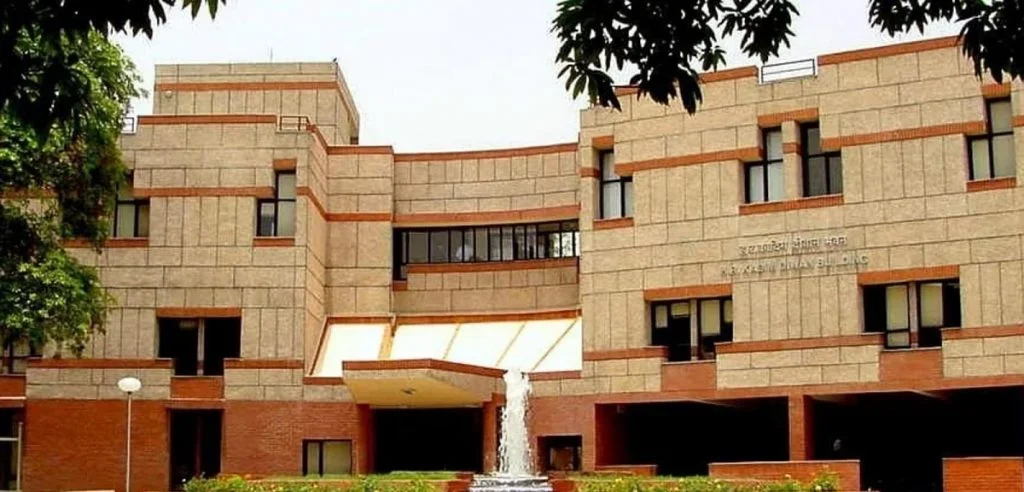

IIT Kanpur’s Abhivyakti 2026 is emerging as a key platform where Tier-2 startups are gaining direct access to investors, mentors, and industry leaders. The event reflects a broader shift in India’s startup ecosystem towards non-metro innovation hubs.
Abhivyakti 2026 Positions Tier-2 Startups in Spotlight
IIT Kanpur’s Abhivyakti 2026 has positioned itself as more than a campus event. It is now a structured platform connecting early-stage startups with venture capital firms, angel investors, and incubators.
This year’s edition has seen increased participation from founders based in Tier-2 and Tier-3 cities. These startups are not just pitching ideas but showcasing validated business models across sectors like agritech, fintech, health services, and local commerce.
The focus is clear. Investors are actively exploring opportunities beyond traditional metro ecosystems. Events like Abhivyakti are accelerating that shift by bringing curated startup pipelines into one place.
For founders, this reduces the barrier of access. Instead of traveling to major cities, they are meeting investors within a structured ecosystem backed by a premier institute.
Why Investors Are Looking at Tier-2 Startup Ecosystem
The Tier-2 startup ecosystem is gaining attention due to lower operating costs, untapped markets, and strong local demand. Investors are increasingly recognizing that scalable businesses are not limited to metro cities.
Startups from smaller cities often operate with leaner budgets and focus on solving real-world problems. This makes their business models more sustainable in early stages.
For example, startups in logistics, regional commerce, and local services are seeing steady traction because they address everyday gaps. Investors are prioritizing such practical models over purely experimental ideas.
Another key factor is talent distribution. Skilled graduates are choosing to build businesses in their hometowns rather than relocating. This is strengthening regional startup ecosystems.
Startup Pitch Trends Seen at Abhivyakti 2026
Startup pitches at Abhivyakti 2026 reflect current market realities. Founders are focusing on revenue models, customer acquisition, and profitability instead of just growth projections.
Many startups are showcasing early traction, including paying customers and consistent demand. This is a shift from earlier trends where idea-stage startups dominated such events.
Sectors like agritech, D2C brands, and SaaS tools for small businesses are getting strong investor interest. These sectors align with India’s economic priorities and offer scalable opportunities.
Another noticeable trend is the use of technology in traditional sectors. Startups are integrating digital tools into agriculture, retail, and local services to improve efficiency and reach.
This combination of practicality and innovation is making Tier-2 startups more investable.
Role of IIT Ecosystem in Startup Growth
Institutions like IIT Kanpur play a critical role in building startup ecosystems. Through incubation centers, mentorship programs, and networking events, they provide structured support to early-stage founders.
Abhivyakti 2026 is part of a larger effort to bridge the gap between startups and investors. It offers founders exposure, feedback, and potential funding opportunities in a competitive environment.
The credibility of an IIT-backed platform also increases investor confidence. Startups associated with such ecosystems are often seen as more disciplined and technically sound.
This institutional backing is especially important for founders from smaller cities who may not have access to established networks.
Challenges Faced by Tier-2 Founders Despite Growth
Despite the momentum, Tier-2 startups still face challenges. Access to consistent funding remains limited compared to metro cities. Many founders rely on bootstrapping in the early stages.
Another challenge is limited exposure to experienced mentors and industry networks. While events like Abhivyakti help, continuous support is still needed.
Market expansion is also a concern. Scaling beyond local markets requires strategic planning and resources, which may not always be available.
However, these challenges are gradually being addressed through increased investor interest and government support initiatives.
What This Means for India’s Startup Landscape
The success of Abhivyakti 2026 signals a structural shift in India’s startup landscape. Innovation is no longer concentrated in a few cities. It is spreading across the country.
For investors, this opens up new opportunities to discover high-potential startups at an early stage. For founders, it creates a more inclusive ecosystem where geography is less of a barrier.
In the coming years, Tier-2 cities are expected to contribute significantly to India’s startup growth. Events like this are laying the foundation for that transition.
The focus is moving from location to execution. Startups that solve real problems and demonstrate traction are gaining attention, regardless of where they are based.
Takeaways
- Abhivyakti 2026 is connecting Tier-2 startups directly with investors
- Investors are shifting focus to practical and scalable regional businesses
- Startup pitches are now focused on revenue and real traction
- Tier-2 ecosystems are becoming key drivers of India’s startup growth
FAQs
What is IIT Kanpur’s Abhivyakti event?
It is a startup and innovation platform where founders present their ideas to investors and industry experts.
Why are Tier-2 startups gaining investor attention?
They offer lower costs, untapped markets, and practical solutions with strong growth potential.
Which sectors are attracting investors at Abhivyakti 2026?
Agritech, D2C brands, SaaS tools, and local service platforms are seeing strong interest.
Is funding easier for Tier-2 startups now?
Access is improving, but challenges still exist compared to metro-based startups.