
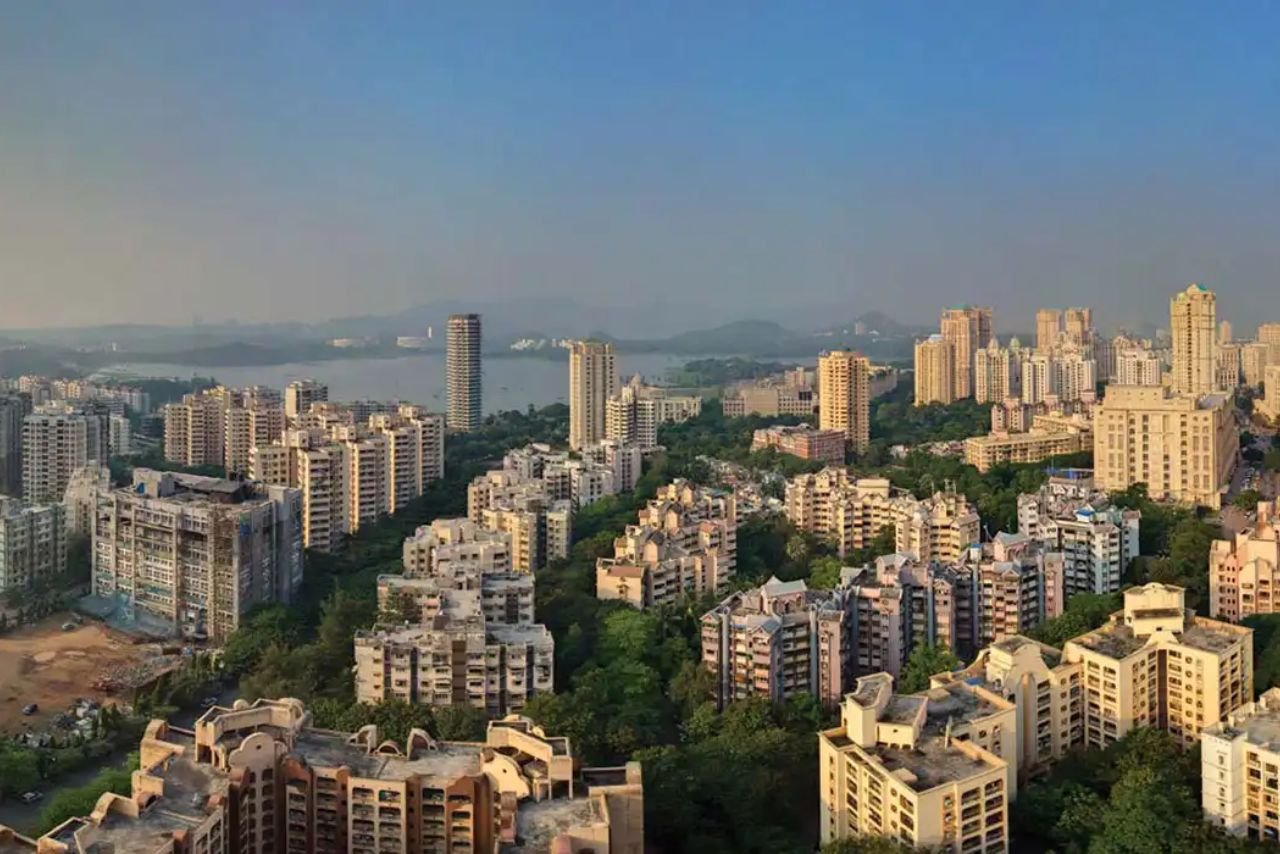

Tier-2 cities in India are emerging as major economic growth hubs in 2026, driven by infrastructure expansion, digital adoption, and rising business activity. These cities are attracting investments, startups, and talent, gradually shifting economic momentum beyond traditional metro regions.
Why Tier-2 Cities Are Driving Economic Growth in 2026
Tier-2 cities emerge as India’s next economic growth hubs due to a combination of policy support, affordability, and improved connectivity. Government initiatives like Startup India and infrastructure investments are encouraging businesses to expand beyond metro cities.
Cities such as Indore, Jaipur, Nagpur, and Coimbatore are seeing increased industrial and service sector activity. Lower operational costs, including rent and labour, make these locations attractive for startups and established companies alike.
Digital infrastructure has also improved significantly, enabling businesses to operate efficiently without being limited by geography.
Infrastructure Development and Connectivity Boost
Infrastructure development is a key factor behind the rise of Tier-2 cities. Expansion of highways, rail networks, and regional airports has improved connectivity with major economic centres.
Government programs focusing on urban development and smart city initiatives have upgraded basic services such as water supply, waste management, and public transport.
Improved connectivity allows businesses to access markets, suppliers, and talent more easily. It also supports the movement of goods and services, boosting local economies.
As infrastructure continues to improve, these cities are becoming more attractive for long-term investment.
Rise of Startups and Local Entrepreneurship
The startup ecosystem in Tier-2 cities has grown rapidly in recent years. Entrepreneurs are leveraging local opportunities to build businesses in sectors such as e-commerce, logistics, education, and healthcare.
Support from incubators, funding programs, and digital platforms has reduced entry barriers. Many startups are now choosing smaller cities as their base due to cost advantages and access to untapped markets.
Local entrepreneurship is also contributing to job creation and economic diversification. This shift is helping reduce dependence on metro cities for employment.
The growth of startups in these regions reflects a broader transformation in India’s economic landscape.
Real Estate and Cost Advantage Driving Migration
Affordable real estate is one of the biggest advantages of Tier-2 cities. Lower housing costs compared to metros are attracting both businesses and individuals.
Companies can set up offices at a fraction of the cost, while employees benefit from a lower cost of living. This has led to a gradual migration of talent back to smaller cities.
Work-from-home and hybrid work models have accelerated this trend. Professionals no longer need to relocate to metros for career opportunities.
As a result, Tier-2 cities are experiencing steady population growth and increased economic activity.
Expansion of Digital Economy in Smaller Cities
The digital economy has played a major role in the rise of Tier-2 cities. Increased internet penetration and smartphone usage have enabled businesses to reach wider audiences.
E-commerce platforms, digital payments, and online services are driving consumption in smaller cities. This has created new opportunities for local businesses and entrepreneurs.
Government efforts to promote digital literacy and financial inclusion have further strengthened this ecosystem. Digital adoption is helping bridge the gap between metro and non-metro regions.
The growth of the digital economy is expected to continue shaping these cities in the coming years.
Challenges That Tier-2 Cities Still Face
Despite rapid growth, Tier-2 cities face several challenges. Infrastructure gaps, especially in healthcare and public transport, still exist in many areas.
Skill development and availability of specialised talent can also be limiting factors for certain industries. While digital access has improved, quality and consistency may vary.
Urban planning and environmental concerns are emerging as cities expand. Managing growth sustainably will be crucial to maintaining long-term progress.
Addressing these challenges is necessary to fully realise the potential of Tier-2 cities.
What This Shift Means for India’s Economic Future
The rise of Tier-2 cities signals a more balanced economic distribution across India. Instead of concentrated growth in metros, opportunities are spreading to multiple regions.
This shift can reduce pressure on major cities while improving living standards in smaller towns. It also encourages inclusive development and regional economic stability.
Businesses that adapt to this trend can benefit from new markets and cost efficiencies. For individuals, it opens up opportunities closer to home.
The transformation of Tier-2 cities is likely to play a central role in India’s economic trajectory over the next decade.
Takeaways
• Tier-2 cities are becoming key drivers of India’s economic growth
• Infrastructure and digital expansion are enabling this transformation
• Lower costs are attracting businesses and talent to smaller cities
• Addressing infrastructure and skill gaps is essential for sustained growth
FAQs
What are Tier-2 cities in India?
They are mid-sized cities with growing infrastructure and economic activity, such as Indore, Jaipur, and Nagpur.
Why are businesses moving to Tier-2 cities?
Lower costs, improved connectivity, and access to new markets make these cities attractive.
Are Tier-2 cities suitable for startups?
Yes, they offer cost advantages and untapped opportunities for new businesses.
What challenges do these cities face?
Infrastructure gaps, talent availability, and urban planning issues remain key challenges.