
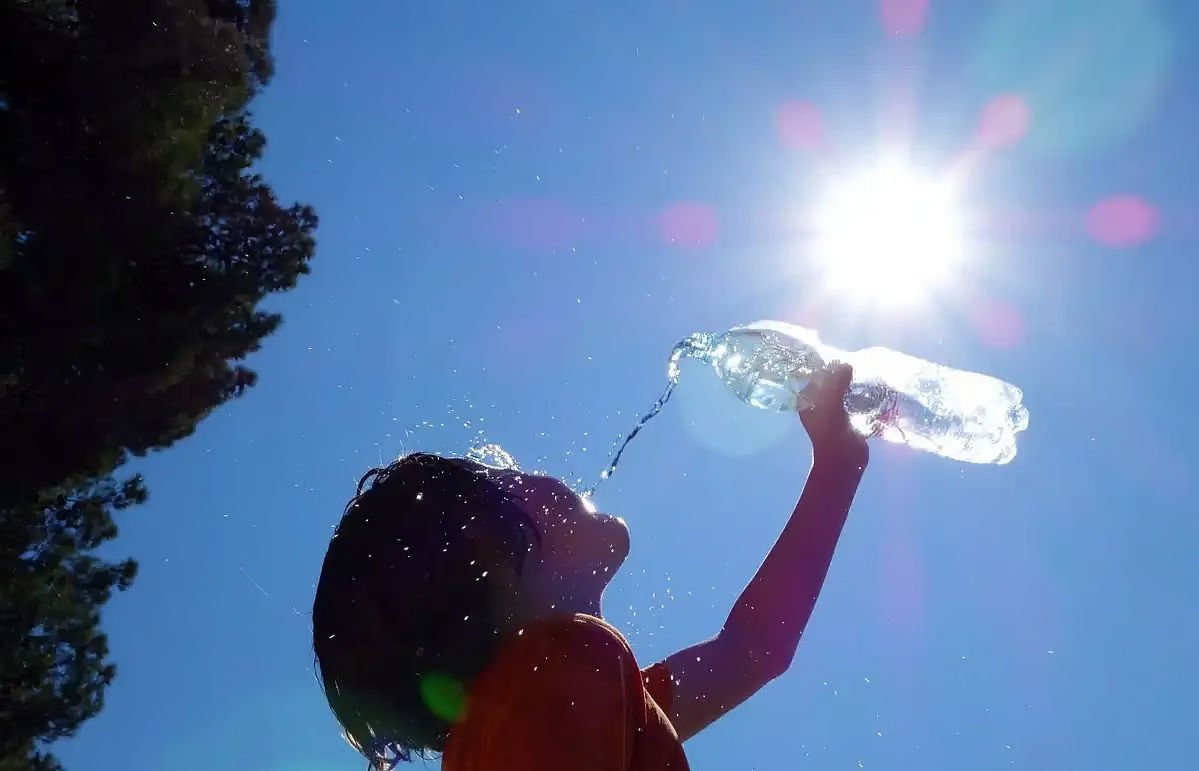

Gujarat is preparing for intense heatwave conditions this May, with forecasts indicating prolonged periods of high temperatures across several districts. The situation highlights growing climate risks not just for Gujarat but also for smaller cities across India facing similar extreme weather patterns.
Heatwave Warning in Gujarat: Current Situation Explained
Gujarat braces for intense heatwave days in May as temperatures in parts of the state are expected to cross 44 degrees Celsius. Alerts issued by the India Meteorological Department indicate sustained high temperatures combined with dry conditions.
Regions such as Ahmedabad, Rajkot, and interior districts are likely to experience multiple consecutive heatwave days. These conditions increase the risk of heat-related illnesses and strain on public infrastructure.
Authorities have already begun issuing advisories urging residents to avoid outdoor activity during peak hours and maintain hydration.
Why This Heatwave Is Different This Year
This year’s heatwave is not just about high temperatures but also about duration and intensity. Extended heat spells reduce the body’s ability to recover overnight, increasing health risks.
Climate experts have pointed out that rising baseline temperatures and urban heat island effects are amplifying heatwave impact. In cities with dense construction and limited green cover, temperatures remain high even after sunset.
The early onset of extreme heat in May suggests that summer conditions may persist longer than usual, affecting daily life and economic activity.
Impact on Smaller Cities and Tier-2 Regions
The implications of Gujarat’s heatwave extend beyond the state. Smaller cities in central and western India, including parts of Maharashtra and Rajasthan, often experience similar weather patterns.
Tier-2 cities typically have less resilient infrastructure compared to metros. Power outages, water shortages, and limited healthcare access can worsen the impact of extreme heat.
In many smaller towns, reliance on outdoor work increases vulnerability. Construction workers, delivery personnel, and agricultural labourers face prolonged exposure to high temperatures.
This makes heatwave preparedness critical not just for Gujarat but for similar regions across the country.
Pressure on Power Supply and Water Resources
Heatwaves significantly increase electricity demand due to continuous use of cooling appliances. Power grids in several regions face stress, leading to load shedding and outages.
Water demand also rises sharply, especially in urban areas. Reservoir levels and groundwater resources may come under pressure during prolonged heat conditions.
Local administrations are monitoring supply systems and implementing measures such as water distribution and power management to reduce disruption.
However, in smaller cities, infrastructure gaps can make it difficult to meet rising demand effectively.
Health Risks and Public Safety Measures
Heatwaves pose serious health risks, particularly for vulnerable groups such as children, elderly individuals, and people with existing medical conditions.
Common issues include dehydration, heat exhaustion, and heatstroke. Public health advisories recommend avoiding outdoor exposure during midday hours, wearing light clothing, and consuming sufficient fluids.
Hospitals and clinics are being advised to prepare for an increase in heat-related cases. Public awareness campaigns are also being conducted to educate residents about safety measures.
Early action and awareness can reduce the severity of health impacts.
Government Preparedness and Response
State and local authorities in Gujarat have initiated several measures to manage the heatwave. These include issuing alerts, setting up cooling centres, and ensuring availability of drinking water in public areas.
Emergency services are being kept on standby to respond to heat-related incidents. Schools and workplaces may also adjust schedules if conditions worsen.
The focus is on minimising disruption and protecting vulnerable populations. Coordination between departments is essential to handle the situation effectively.
These steps reflect a broader shift towards proactive climate response strategies.
What Smaller Cities Can Learn from Gujarat’s Situation
The current heatwave in Gujarat serves as a warning for other regions. Smaller cities need to invest in heat action plans, improve infrastructure, and increase public awareness.
Simple measures such as planting trees, improving water management, and promoting energy efficiency can reduce long-term impact.
Local administrations should also focus on early warning systems and community-level preparedness.
Adapting to changing climate conditions is no longer optional but necessary for sustainable urban development.
Takeaways
• Gujarat is expected to face prolonged and intense heatwave conditions in May
• Smaller cities are more vulnerable due to limited infrastructure
• Power and water supply systems are likely to face increased pressure
• Public awareness and early action are key to reducing health risks
FAQs
Which areas in Gujarat are most affected by the heatwave?
Cities like Ahmedabad, Rajkot, and interior districts are expected to experience the highest temperatures.
Why are smaller cities more vulnerable to heatwaves?
Limited infrastructure, higher outdoor work exposure, and fewer resources increase vulnerability.
What precautions should residents take during a heatwave?
Stay hydrated, avoid outdoor activity during peak hours, and follow official advisories.
Can heatwaves affect electricity and water supply?
Yes, increased demand during extreme heat can strain both power and water systems.