
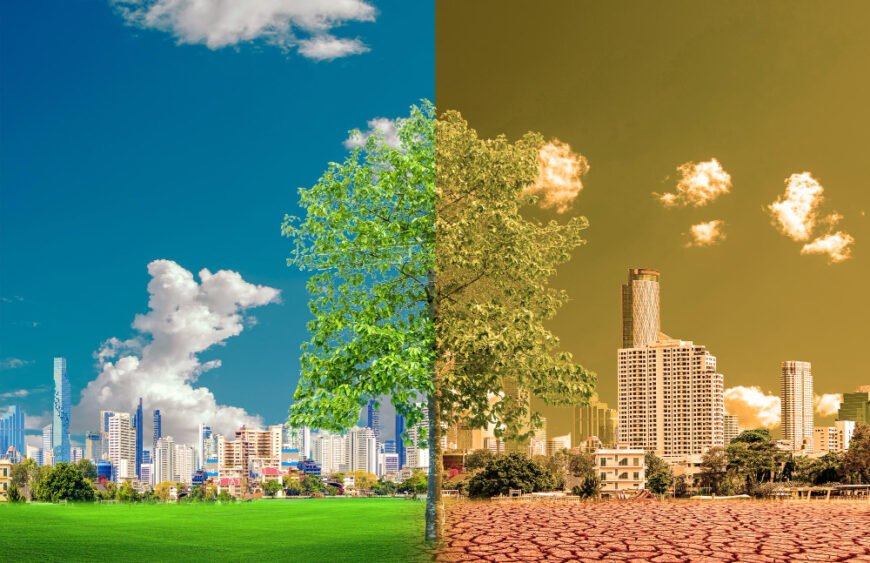

Climate change is no longer a distant global concern—it is increasingly influencing daily life in Indian cities, from Tier-1 metros like Mumbai, Delhi, and Bengaluru to emerging Tier-2 cities such as Jaipur, Pune, and Lucknow. Rising temperatures, erratic rainfall, and worsening air quality are quietly reshaping how urban residents live, work, and travel. The effects are subtle yet significant, affecting health, infrastructure, and overall quality of life.
One of the most visible impacts of climate change in urban India is the increase in extreme weather events. Heatwaves are becoming more frequent, stretching local electricity grids as air conditioning and cooling systems work overtime. Higher temperatures not only affect comfort but also increase health risks, particularly among the elderly, children, and outdoor workers. For many cities, rising heat also impacts productivity, as office and school schedules are disrupted to cope with sweltering conditions.
Water scarcity is another pressing concern. Erratic monsoons and depleted groundwater levels are straining urban water supplies, leading to rationing in several districts. Tier-2 cities, which are rapidly growing without robust water infrastructure, face particular challenges. Residents often experience limited access to safe drinking water, and municipal systems struggle to maintain consistent supply, prompting reliance on private water vendors.
Air pollution, already a long-standing urban problem, is being exacerbated by climate change. Rising temperatures increase the formation of ground-level ozone, while changing wind patterns can trap pollutants in densely populated areas. For residents, this translates into more days with hazardous air quality, increasing the risk of respiratory illnesses and impacting outdoor activities for children and the elderly.
Urban infrastructure is also under stress. Roads, drainage systems, and public transport networks are not always equipped to handle the intensity of sudden rainfall, heat stress, or flooding. Cities like Mumbai and Chennai have experienced frequent waterlogging due to heavy downpours, while other urban centers struggle with deteriorating roads and power outages during extreme weather. Such disruptions affect commuting, business operations, and overall daily routines.
Even lifestyle choices are being subtly influenced by climate change. People are adapting by scheduling outdoor activities during cooler hours, investing in energy-efficient appliances, and using private vehicles less during periods of extreme heat or rain. Awareness campaigns on water conservation, air quality, and energy use are gaining traction, reflecting a growing recognition that personal choices are part of the solution.
While climate change may seem abstract, its effects are tangible in urban life. Health risks, water and energy scarcity, disrupted infrastructure, and environmental stress are quietly reshaping daily routines across Indian cities. As awareness grows, cities and residents alike are beginning to adapt—but proactive policies and community engagement will be essential to ensure that climate change does not further compromise the quality of urban living.