
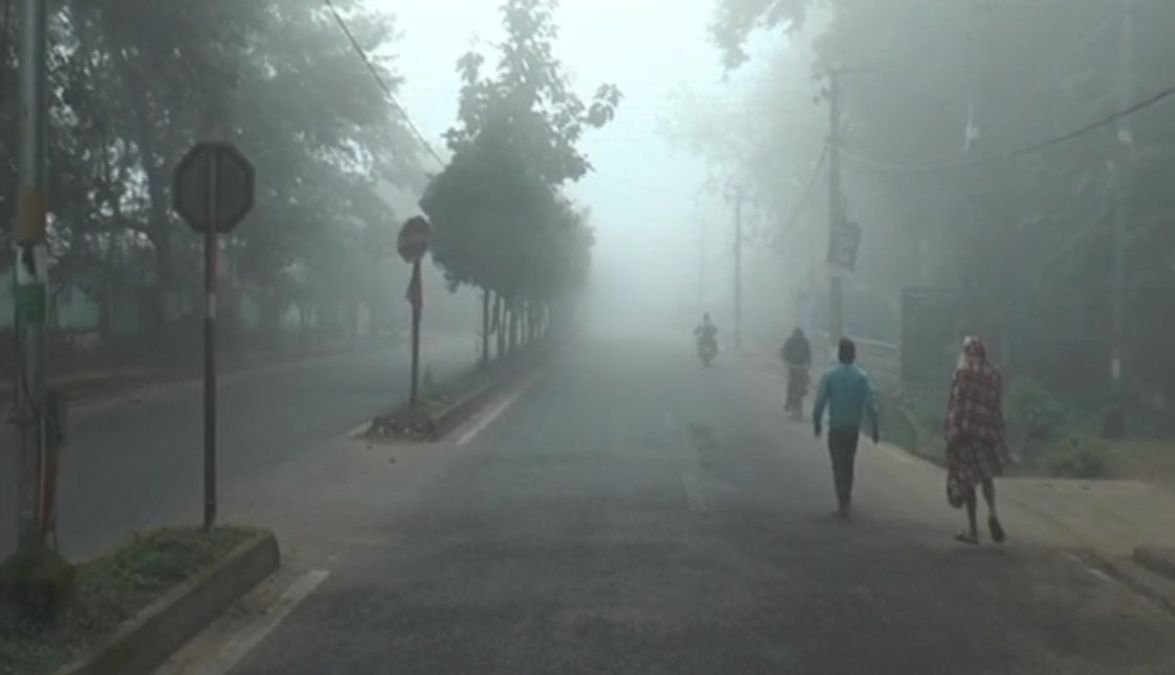

After school hours during the cold wave season are changing OTT and TV viewing habits across smaller towns. The main keyword cold wave season appears early to explain shifting content preferences, rising streaming hours and how families adjust entertainment routines during colder evenings.
How the cold wave season changes evening routines
The cold wave season lowers outdoor activity in the early evenings, especially in Tier 2 and Tier 3 towns where open spaces and markets usually stay busy after school hours. As temperatures drop sharply at sunset, students and families prefer staying indoors, shifting more time toward screens. This behavioural change increases OTT streaming and traditional TV usage between 5 pm and 10 pm, the crucial after school window. Households with multiple school going children often cluster around a single TV or split usage between mobile phones and smart TVs, resulting in higher data consumption.
In smaller towns, colder evenings also push tuition timings earlier in the day or towards weekends. Families who normally encourage outdoor play notice a shift in children choosing entertainment indoors because of discomfort caused by the cold. These shifts create predictable surges in OTT platform activity, particularly on days when temperatures fall below seasonal averages.
Content preferences that dominate during colder months
Secondary keywords such as family content, regional shows and youth entertainment define the seasonal trends. Family oriented dramas, comedy shows, reality competitions and mythological content see increased demand because more members watch together. Regional language web series and dubbed versions of popular shows attract strong viewership in states like Maharashtra, Madhya Pradesh, Uttar Pradesh and Odisha, where OTT platforms now offer deeper regional catalogues.
Students and young adults gravitate toward short series, anime, youth centric dramas and mobile first content. Cold nights often mean longer continuous viewing sessions, boosting completion rates for multi episode shows. Thriller and mystery genres also rise because viewers prefer content that fits the cosy indoor atmosphere. Traditional TV continues to remain strong in many smaller towns, especially for news, daily soaps and weekend films because it supports shared family viewing.
Rising streaming hours and device usage patterns
OTT platforms record higher engagement during cold spells due to extended indoor hours. Households without smart TVs rely heavily on mobile phones. Students in particular switch between watching content on phones and using them for schoolwork or casual browsing. This creates peak data usage periods in the evening, often stretching network capacity in smaller towns.
Smart TV adoption in Tier 2 and Tier 3 cities has increased over the past few years, and colder evenings accelerate usage. Families who previously watched only traditional channels switch to OTT apps installed on smart TVs, increasing subscription sharing and multi user profiles. In many semi urban homes, one subscription is used across multiple devices, increasing simultaneous streams during peak hours.
Heat conservation habits also influence viewing patterns. Families prefer gathering in one warm room, naturally increasing shared screen time. This reduces fragmentation in content selection and drives households toward family friendly programming.
How local internet networks handle increased streaming
Colder nights and heavier streaming traffic strain local telecom networks. Broadband users in smaller towns experience slower speeds during peak hours because of shared local bandwidth. Mobile network users see reduced video quality when streaming on platforms that auto adjust resolution. Despite these challenges, streaming remains the preferred choice for younger audiences who value flexibility.
Some households adapt by downloading episodes earlier in the day when networks are faster. Parents often set usage limits for children during school weeks, but limits are relaxed during colder weekends when staying indoors becomes unavoidable. Telecom operators observe consistent spikes in evening data consumption during prolonged cold waves, especially in towns with growing OTT adoption but limited high speed broadband penetration.
How advertisers and content platforms react to seasonal changes
OTT platforms monitor regional viewing shifts closely during cold seasons. The increase in family viewing encourages platforms to highlight new releases, dubbed versions and regional originals. Some platforms schedule major releases during winter months because colder evenings guarantee higher engagement. Regional creators also see better traction as audiences spend more uninterrupted time discovering new titles.
Advertisers adjust their strategies by targeting households in smaller towns with winter specific campaigns. Categories like health drinks, warm clothing, immune support products and indoor entertainment witness higher ad placements. On TV, channels schedule festival content blocks, family movies and special episodes to capture the seasonal attention spike.
Why smaller towns respond differently to cold wave entertainment habits
Smaller towns rely more on shared viewing than metros, where individual viewing dominates. Joint families, close knit communities and limited nightlife amplify the effect of weather on entertainment habits. Cold waves reduce evening social visits, local events and small market activities, pushing households toward extended screen time.
Scarcity of entertainment alternatives also plays a role. Cinemas in smaller towns operate with limited shows during cold evenings due to low attendance. Outdoor events, fairs and sports activities decline when temperatures drop suddenly. This increases dependence on OTT platforms for relaxation and family bonding after school and work hours.
Takeaways
Cold wave season increases evening indoor time, boosting OTT and TV usage.
Families prefer regional content, shared viewing and high comfort genres during colder months.
Streaming hours rise sharply, with mobile and smart TV usage leading the trend.
Local networks experience peak load, prompting users to adapt viewing patterns.
FAQs
Do OTT platforms gain significant users during cold waves
They see higher engagement and longer watch times. Subscriber growth depends on promotions, content releases and regional offerings.
Why do students watch more content after school during winter
Cold evenings reduce outdoor activity. Students stay indoors and prefer entertainment before or after homework.
Does TV still dominate in smaller towns
Yes. TV remains strong for family viewing, while OTT leads among younger audiences seeking flexible content choices.
Will viewing habits return to normal after winter
Yes. As temperatures rise, outdoor activity increases and evening screen time gradually reduces.