
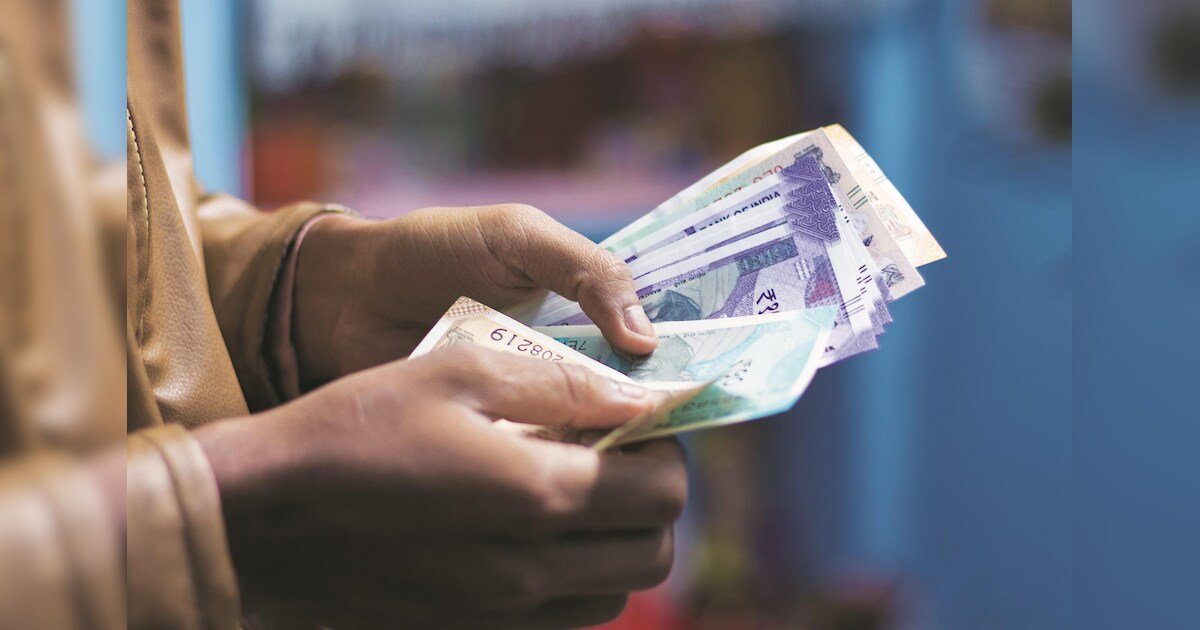

Today’s rupee slump is directly affecting travel plans, gadget purchases and lifestyle choices for Gen Z and millennials as they prepare for year end expenses. With the currency touching record lows against the US dollar, cost pressures are rising across multiple categories that younger consumers prioritise.
Why the rupee slump matters more for Gen Z and millennial spending
Younger consumers allocate a significant share of their budget to discretionary categories such as travel, electronics, fashion, dining and digital subscriptions. When the rupee weakens, any product or service linked to global pricing sees an immediate cost push. This year’s slump has made imported goods, overseas flights and USD pegged services more expensive. Young professionals with fixed incomes or students dependent on monthly allowances feel the impact quickly. Since year end spending often includes travel, gifting and gadget upgrades, many are now reconsidering their plans to avoid overshooting budgets.
How international and domestic travel costs are rising for younger consumers
Outbound travel is the category most affected by the weaker rupee. Airfares, hotel rates, travel insurance and visa fees tied to dollar pricing rise proportionately. Popular destinations in Southeast Asia, Europe and the Middle East become costlier even before peak season surcharges apply. Students planning year end trips with friends and young professionals booking holidays face higher overall budgets than anticipated. Even domestic travel feels the impact. Aviation turbine fuel becomes more expensive when the rupee falls, pushing airlines to adjust fares. Ride hailing, intercity buses and local transport costs rise as fuel prices influence fare structures. All these factors force young travellers to prioritise destinations, reduce trip duration or switch to budget focused itineraries.
Why gadget upgrades and tech purchases become less affordable
Smartphones, laptops, gaming consoles, headphones and smartwatches depend heavily on imported components. Retailers revise prices quickly when import costs rise due to the rupee slump. Gen Z buyers looking for flagship phones or gaming accessories now face higher entry prices. Many delay purchases or shift to older models to stay within budget. Warranty repairs and replacement parts also become costlier, adding to long term ownership expenses. Holiday season launch events may still create excitement, but cost sensitive buyers are now evaluating whether upgrades are essential or can be postponed.
How lifestyle choices and urban spending habits are shifting
Dining out, entertainment, fashion and grooming trends see indirect inflation when supply chain costs rise. Imported fashion brands, premium skincare, perfumes and international cuisine restaurants adjust prices to maintain margins. Lifestyle subscriptions such as cloud storage, editing tools, gaming services and productivity apps priced in dollars reflect higher monthly charges on credit card statements. Younger consumers are now cutting back on non essential purchases, switching to local alternatives or choosing shared plans to reduce individual spending. Spending behaviour is shifting toward practical choices rather than impulse purchases.
Why students and early career professionals feel the pressure more sharply
Students studying abroad or planning exchange programs pay tuition, accommodation and living costs in dollars or euro. The rupee slump raises the amount needed for each remittance. Families planning education budgets face immediate stress, especially during year end instalment cycles. Early career professionals with limited savings also feel the pinch as price increases absorb a larger share of disposable income. With EMI commitments, rent and daily expenses rising simultaneously, discretionary budgets shrink faster. This forces stricter planning and the postponement of non urgent spending.
Impact on gifting, celebrations and festive purchases
Year end gifting often includes electronics, branded apparel and premium accessories. These categories are highly sensitive to currency fluctuations. With prices rising, many young shoppers are setting smaller gifting budgets or prioritising functional items. Travel based gifting, such as holiday packages or weekend getaways, becomes harder to afford. Event tickets, concerts, New Year parties and nightlife also see upward price adjustments due to higher operational costs. As a result, Gen Z and millennials are planning celebrations more cautiously to avoid overspending.
How digital tools help younger consumers manage year end budgets
Budgeting apps, deal trackers and expense management tools are becoming essential as costs rise. Many platforms alert users about price drops, sale windows and coupon availability. Using EMI based purchases, no cost financing or exchange programs helps spread the cost of tech upgrades. Students use travel comparison tools to optimise itineraries, while young professionals leverage subscription bundling to save on digital services. These tools help maintain financial discipline during a period known for impulsive spending.
Strategies younger consumers are adopting to manage the rupee impact
Gen Z and millennials are adopting smarter spending habits to handle the currency slump. These include pre booking flights months earlier, shifting to domestic destinations, choosing refurbished gadgets and opting for Indian brands with strong quality at lower prices. Many are delaying premium purchases until pricing stabilises. Adjusting social plans, avoiding non essential subscriptions and prioritising savings also helps create financial cushion. The overall trend shows young consumers becoming more analytical and intentional with their spending choices.
Longer term implications of the rupee slump on youth spending behaviour
If the currency remains weak, younger consumers might permanently rethink how they plan large expenses. Travel may become more seasonal and shorter. Gadget upgrades may slow down, reducing the upgrade cycles that brands rely on. Subscription stacking may decline in favour of bundled or shared plans. Early financial planning, including emergency funds and goal based saving, may become more common. The shift could create a more financially cautious and value driven consumer segment over time.
Takeaways
The rupee slump is raising year end costs for travel, tech and lifestyle
Students and early career professionals feel the impact most sharply
Gadget upgrades and international trips are being postponed or downsized
Young consumers are shifting toward budget friendly and value driven choices
FAQs
Will international travel get cheaper if the rupee strengthens
Yes. If the rupee recovers, costs for hotels, flights and foreign currency payments will ease, reducing travel budgets.
Should buyers delay gadget purchases due to the rupee slump
If the purchase is not urgent, delaying can help avoid paying peak import driven prices.
Are OTT and digital subscriptions affected by the weak rupee
Yes. Many global platforms charge in dollars, causing monthly fees to increase automatically when the rupee weakens.
How can young consumers reduce the impact on year end spending
They can prioritise essential purchases, use deal platforms, shift to domestic travel and avoid stacking unnecessary subscriptions.