
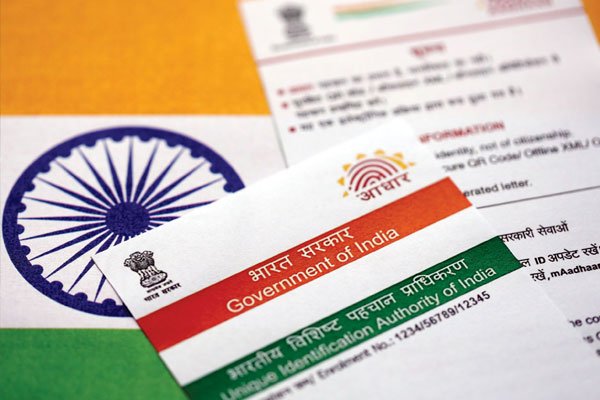

Applying for state government schemes online has become easier than ever as most Indian states now offer digital portals for citizen services. This guide explains the complete application process, required documents, common mistakes to avoid, and tips to improve the chances of a successful application.
State government schemes online have made it possible for citizens to apply for financial assistance, scholarships, pensions, agricultural subsidies, health benefits, housing programs, and welfare initiatives without visiting government offices. Most Indian states have digitized their citizen services through official portals, reducing paperwork and making applications more transparent. Whether you are a student, farmer, senior citizen, entrepreneur, or salaried employee, understanding the correct application process can save time and help avoid unnecessary delays.
Why Most State Government Schemes Are Now Available Online
Digital governance has become a major focus across India. Almost every state government now operates dedicated service portals where citizens can access welfare schemes, download certificates, submit applications, and track their status from home.
States such as Maharashtra, Karnataka, Gujarat, Uttar Pradesh, Tamil Nadu, Rajasthan, Madhya Pradesh, Telangana, Odisha, and several others have integrated hundreds of public services into online platforms.
The objectives of these digital services include:
- Faster application processing
- Reduced dependency on physical offices
- Greater transparency
- Lower chances of document loss
- Easy status tracking
- Better accessibility for citizens living in Tier 2 and Tier 3 cities
Many services are also available through Common Service Centres (CSCs) for people who do not have internet access at home.
Step-by-Step Process to Apply for State Government Schemes Online
Although every state has its own portal, the overall process remains largely similar.
Step 1: Visit the Official State Government Portal
Always use the official government website ending with “.gov.in” or the state’s designated citizen service portal. Avoid unofficial websites that ask for payments or personal information.
Step 2: Create Your Citizen Account
Register using your mobile number, email address, Aadhaar number where applicable, and create a secure password. Some states also support login using DigiLocker or Aadhaar authentication.
Step 3: Search for the Required Scheme
Use the portal’s search function to find the scheme you wish to apply for. Read the eligibility criteria carefully before proceeding.
Check:
- Age requirements
- Income limits
- Residential requirements
- Category eligibility
- Required documents
- Application deadlines
Documents Required for Online Government Scheme Applications
Keeping your documents ready before starting the application can prevent interruptions.
Commonly required documents include:
- Aadhaar Card
- PAN Card (where applicable)
- Residence Certificate
- Income Certificate
- Caste Certificate (if applicable)
- Passport-size photograph
- Bank account details
- Mobile number linked with Aadhaar
- Educational certificates for scholarship schemes
- Land ownership documents for agriculture-related benefits
Most portals accept PDF or JPEG files within specified size limits.
Filling the Application Form Correctly
Accuracy is extremely important while submitting government applications.
Ensure that:
- Your name matches official identity documents.
- Your Aadhaar and bank details are entered correctly.
- Uploaded documents are clear and readable.
- Mobile number remains active for OTP verification.
- Email address is valid for future communication.
Before submitting, carefully review every field. Incorrect information may result in rejection or delays.
How to Track Your Application Status
One of the biggest advantages of online applications is real-time status tracking.
After submission, applicants usually receive:
- Application reference number
- Acknowledgement receipt
- SMS confirmation
- Email confirmation
Using the application ID, you can log into the portal anytime to check whether your application is under review, approved, pending verification, or requires additional documents.
Many state portals also send updates through SMS notifications.
Common Mistakes That Lead to Rejection
Several applications are delayed because of avoidable errors.
The most common mistakes include:
- Uploading blurred documents
- Applying without checking eligibility
- Incorrect bank account details
- Mismatch between Aadhaar and application details
- Missing mandatory documents
- Waiting until the last application date
Double-checking the form before submission significantly improves the chances of successful processing.
Tips for Citizens in Tier 2 and Tier 3 Cities
People living in smaller cities and rural areas can still benefit from digital government services even if internet access is limited.
If online submission becomes difficult, citizens can visit their nearest Common Service Centre (CSC), where trained operators assist with online applications for a nominal service fee.
It is also advisable to save digital copies of all submitted documents, acknowledgement receipts, and application numbers for future reference. Keeping scanned documents organized on a mobile phone or cloud storage can make future applications much easier.
As more government services move online, digital literacy is becoming an essential skill for every household. Learning to use official portals not only saves travel time but also reduces dependence on intermediaries.
Key Takeaways
- Apply only through official state government portals ending with .gov.in.
- Keep all required documents scanned and ready before starting the application.
- Review eligibility criteria carefully to avoid rejection.
- Save your application number to track the status and receive updates.
Frequently Asked Questions
Q1. Can I apply for state government schemes using my mobile phone?
Yes. Most state government portals are mobile-friendly, and many also provide dedicated mobile applications for citizen services.
Q2. Is Aadhaar mandatory for every government scheme?
Not always. While many schemes require Aadhaar for identity verification, some may accept alternative documents depending on the scheme’s guidelines.
Q3. What should I do if my online application is rejected?
Check the rejection reason on the official portal. If corrections are allowed, update the required information and resubmit the application or contact the concerned department for clarification.
Q4. Can someone else apply on my behalf?
Yes. You may seek assistance from a Common Service Centre (CSC) or an authorized family member, but ensure that all information submitted is accurate and based on your official documents.
(Internal keyword suggestions: state government schemes online, apply government schemes online, citizen service portal India, online welfare schemes, government benefits application, CSC online services, digital governance India, government scheme registration, Aadhaar verification, online public services India, state welfare schemes, government portal application guide)