
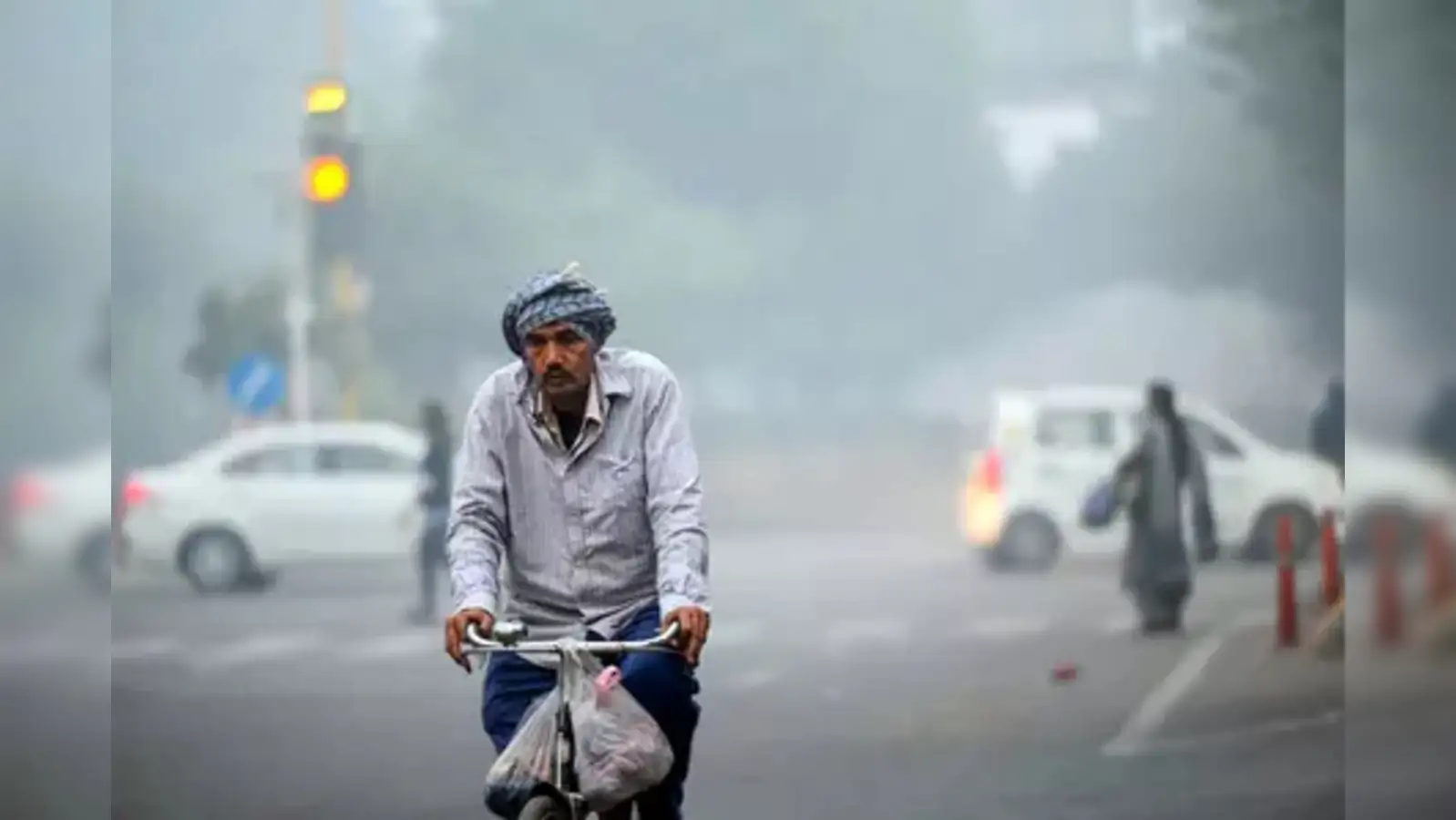

A cold wave alert affects daily routines, health and household energy use, making timely information critical. The main keyword cold wave alert appears early so readers clearly understand how to check updates and prepare their homes with simple and affordable steps.
How to verify a cold wave alert for your city
Cold wave alerts in India are issued by the India Meteorological Department. The fastest way to check for your city is through the official forecast page, the Nowcast alerts and the district level weather bulletins. These updates are refreshed multiple times a day during winter. Local administrations in states like Maharashtra, Madhya Pradesh, Uttar Pradesh, Rajasthan and Punjab also issue instructions through district portals and social media channels when temperature dips become severe. Always check both sources because district notices often mention school changes, revised timings and precautionary steps.
Weather apps that use IMD data give quick snapshots but should not be the only reference. A confirmed cold wave alert needs an official temperature record and a comparison against normal values for that region. Cities in central and northern India usually experience longer cold spells because of dry winds and night time radiation loss. If your area has a history of overnight temperature drops below normal, stay alert to sudden advisories during December and January.
How to read IMD colour codes and secondary keywords
IMD uses colour coded warnings to classify severity. Green means no action needed. Yellow signals watch and stay updated. Orange indicates the need for preparation. Red represents severe conditions where immediate precautions are advised. Cold wave alerts usually fall under yellow or orange because they influence health and transportation. When checking district bulletins, look for minimum temperature forecasts and mentions of cold wave, frost and wind chill. These secondary indicators help you understand the intensity even before an official colour upgrade is issued.
For residents of tier 2 cities, updates often arrive through local media outlets before national platforms pick them up. Examples include cities such as Nagpur, Indore, Kanpur, Jaipur and Ludhiana which regularly face longer winter spells. Monitoring local news along with IMD updates ensures you do not miss sudden changes during night time or early morning hours.
Five steps to winter proof your home during a cold wave alert
Start with small changes that create immediate insulation. Seal window gaps using simple adhesive strips or cloth rolls to prevent cold air from entering. This step is effective in older homes where window frames loosen over time. Move furniture like sofas and study tables away from windows to reduce exposure to cold drafts.
Increase indoor warmth by using heavier curtains, rugs and door stoppers. Thick fabric helps trap warm air and lowers reliance on room heaters. If you use a heater, prefer models with thermostats to avoid rapid temperature swings. Keep at least one window slightly open for ventilation when running a gas based heater to prevent moisture and indoor air issues.
Focus on early morning and night time routines because these hours experience the sharpest temperature drop. Keep an accessible corner for warm clothing like jackets, socks and caps. Encourage layering instead of single thick clothing because layers trap heat better. Store drinking water indoors during the night to avoid extreme temperature changes. If you live in regions known for frost, cover outdoor taps and keep backup water stored.
Health and daily life adjustments during a cold wave
Cold wave alerts are associated with increased respiratory discomfort, dry skin and reduced immunity. Hydration and warm fluids help maintain energy levels during busy routines. Schools in several states often adjust timings during severe cold spells which affects travel time, meals and morning schedules. Workplaces also shift reporting hours to protect outdoor workers.
If you have elderly family members or children, keep an indoor temperature baseline by closing unused rooms and limiting drafts. Daily morning ventilation is still important but limit it to a short period. For households using solar water heaters, plan for slower heating cycles during cloudy days and keep alternatives ready. If you depend on public transport, start early because visibility issues cause delays in buses and local routes.
Takeaways
Cold wave alerts should be verified using IMD forecasts and district bulletins.
Colour codes indicate severity and guide preparation levels.
Simple insulation upgrades make homes significantly warmer at low cost.
Daily routines need small adjustments to protect vulnerable family members.
FAQs
How often does IMD update cold wave alerts?
IMD updates city and district level alerts multiple times a day during winter, especially when temperatures drop suddenly. Checking morning and evening bulletins gives the most accurate picture.
Do all cold wave alerts lead to school changes?
No. School timing changes depend on local administration decisions. They usually occur only during extended cold spells or when minimum temperatures fall sharply for consecutive days.
Are room heaters safe during long cold waves?
Room heaters are safe if used with basic precautions. Keep ventilation in mind, avoid overuse, and choose models with automatic shut off to prevent overheating.
What is the easiest home fix to retain warmth?
Sealing window and door gaps is the simplest and most effective adjustment because it reduces heat loss and improves comfort immediately.