
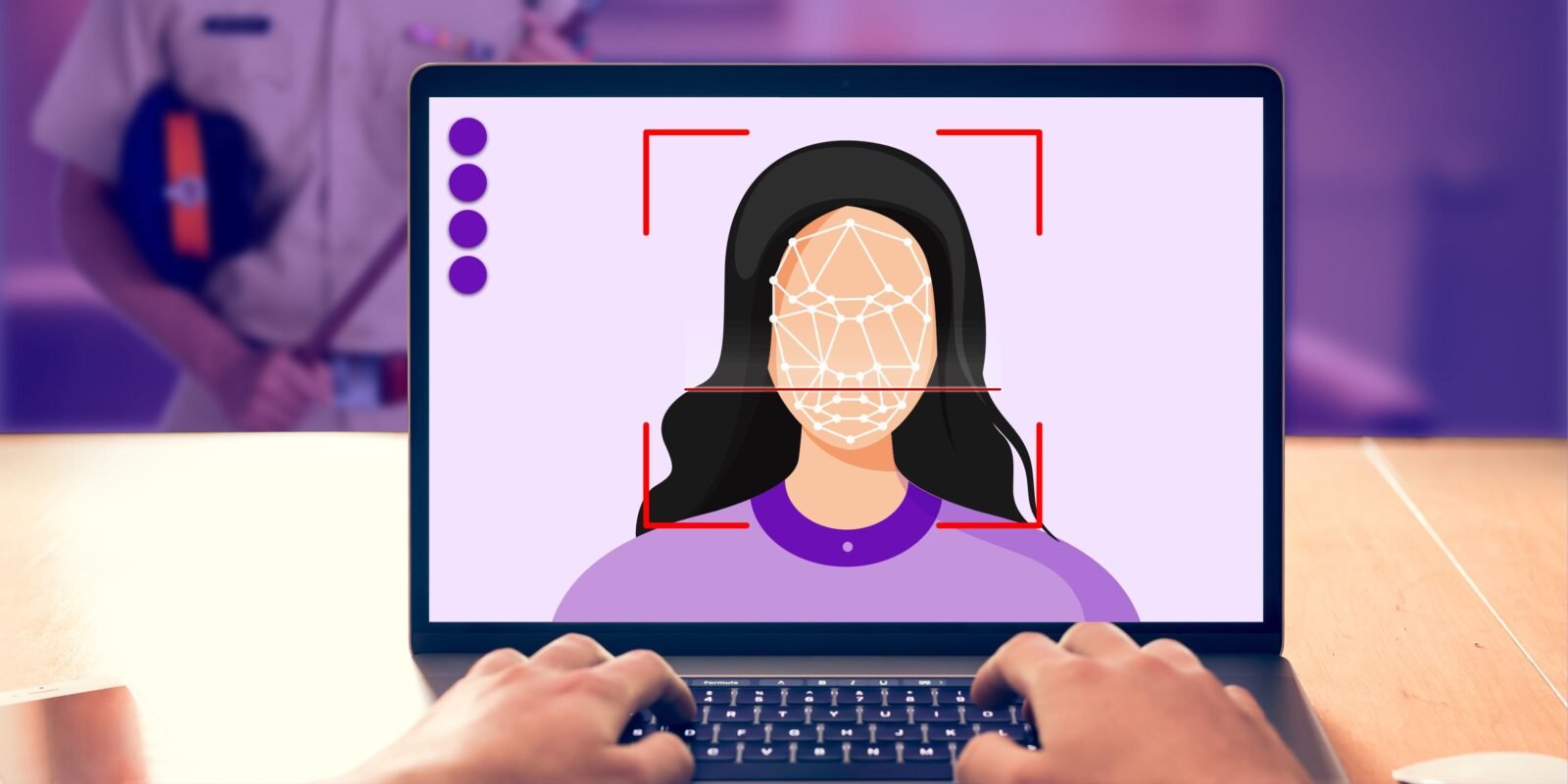

AI generated content and deepfakes are becoming harder to detect in 2026 as tools grow more advanced and accessible. This guide explains practical ways to identify manipulated media, verify authenticity, and avoid falling for misleading information online.
Why AI Generated Content Is Harder to Detect Now
AI generated content is no longer limited to obvious fake images or robotic text. Modern tools can create realistic human faces, voices, and even full-length videos that closely mimic real individuals. This has made detection more challenging for everyday users.
The main keyword AI generated content fits naturally here because the concern is now widespread across social media, news platforms, and messaging apps. Deepfake technology uses machine learning to swap faces or clone voices with high precision.
In India, the rise of short video platforms and viral forwards has increased the spread of such content. Many users unknowingly share altered videos assuming they are real, which amplifies misinformation.
Visual Signs to Identify Deepfake Videos and Images
Spotting deepfakes often starts with careful observation. While AI is improving, it still leaves subtle clues.
Look closely at facial expressions. Deepfake videos may show unnatural blinking, stiff movements, or mismatched lip sync. Lighting inconsistencies are another sign. The face may not match the surrounding environment in brightness or shadows.
Hands and teeth are also common giveaway areas. AI still struggles with fine details, so distorted fingers or unnatural smiles can indicate manipulation.
Another practical method is pausing the video and checking frame by frame. Small glitches become easier to notice this way, especially in fast moving clips.
How to Identify AI Generated Text Content
AI written content is now widely used in blogs, comments, and even news-like articles. While it can sound natural, there are patterns to watch for.
AI generated text often lacks personal experience or specific detail. It may feel overly structured, repetitive, or neutral in tone without strong opinions or unique insights.
Check for factual consistency. AI content sometimes includes vague claims without proper context or mixes unrelated facts. Cross verifying key points with trusted sources helps confirm accuracy.
Another sign is uniform sentence length and predictable phrasing. Human writing tends to vary more in rhythm and style.
Tools and Techniques to Verify Content Authenticity
Technology can also help detect AI generated content. Reverse image search is one of the simplest tools. Uploading an image to search engines can reveal if it has appeared elsewhere or been altered.
For videos, checking the original source is critical. Verified news platforms and official social media accounts are more reliable than forwarded clips.
Several AI detection tools are now available that analyze text patterns or visual inconsistencies. While not perfect, they can provide an additional layer of verification.
Metadata inspection is another useful method. Images and videos often contain hidden data about when and where they were created. Missing or altered metadata can be a warning sign.
Role of Social Media Platforms and Government Regulations
Social media platforms are under increasing pressure to control the spread of deepfakes. Many platforms now label synthetic media or remove misleading content when flagged.
In India, regulatory discussions around digital content and AI misuse have intensified. Authorities are focusing on stricter compliance requirements for platforms to prevent the spread of harmful or deceptive media.
However, enforcement is still evolving. This means users must take responsibility for verifying content before sharing it.
Practical Tips for Everyday Users
Identifying AI generated content is not about technical expertise. It is about awareness and basic verification habits.
Always question content that feels sensational or emotionally charged. Deepfakes often rely on shock value to go viral.
Avoid sharing content immediately. Take a moment to verify the source and check if credible news outlets are reporting the same information.
Follow trusted sources and official accounts for important updates. This reduces the chances of relying on manipulated content.
Takeaways
- AI generated content and deepfakes are increasingly realistic and widely გავრცელ
- Visual inconsistencies like facial glitches and lighting issues can reveal deepfakes
- AI written text often lacks depth, personal insight, and factual clarity
- Verification tools and source checking are essential before sharing content
FAQs
Q1. What is a deepfake in simple terms?
A deepfake is a digitally altered video or image where a person’s face or voice is replaced using AI technology.
Q2. Can AI generated content be completely undetectable?
It is becoming more realistic, but small inconsistencies and verification methods can still help identify it.
Q3. Are there tools to detect AI written text?
Yes, several tools analyze writing patterns, though they are not always 100 percent accurate.
Q4. How can I avoid sharing fake content online?
Verify the source, cross check with trusted platforms, and avoid forwarding unverified information.