
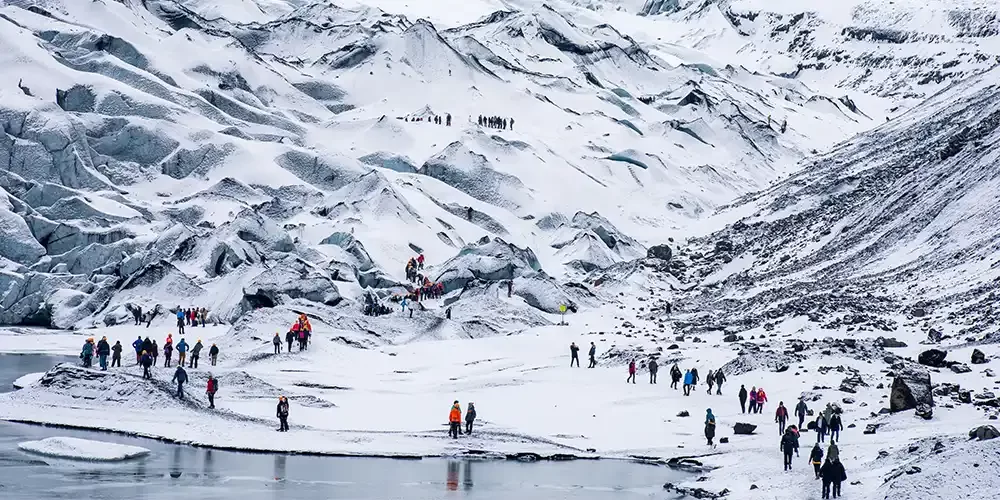

Planning a safe winter travel trip to Himachal, Uttarakhand, and Jammu and Kashmir has become critical amid fresh snowfall warnings across the western Himalayan region. Snowfall enhances scenic beauty but also raises risks related to road closures, weather volatility, and emergency access.
This article explains how to plan winter travel safely in these Himalayan states, what precautions matter most during snowfall alerts, and how travellers can reduce disruption while protecting health and finances.
Understanding winter travel risks in Himachal Uttarakhand and J and K
Winter travel in Himachal Pradesh, Uttarakhand, and Jammu and Kashmir carries region specific risks. Heavy snowfall can lead to sudden highway closures, especially on mountain passes and interior roads. Landslides and black ice are common after fresh snowfall followed by temperature drops.
In Himachal, routes to higher altitude destinations often close overnight without long notice. Uttarakhand faces similar risks on hill roads where narrow stretches make vehicle movement difficult. In Jammu and Kashmir, snowfall can disrupt air and road connectivity, particularly in tourist heavy valleys.
Understanding that weather conditions change faster in mountains is the foundation of safe travel planning.
Checking snowfall warnings and local advisories before departure
Before finalising travel plans, check snowfall warnings issued for specific districts, not just the state. Weather alerts often vary between valleys and higher reaches. A general snowfall warning may not affect all destinations equally.
Track advisories from state disaster management authorities and district administrations. These alerts usually specify road restrictions, school closures, and transport advisories. Avoid relying on social media updates alone as they often exaggerate conditions.
If heavy snowfall is predicted within 24 to 48 hours of your planned travel, postponing movement to high altitude areas is the safest decision.
Choosing destinations wisely during active snowfall periods
Not all winter destinations are equally safe during snowfall alerts. Towns with strong road connectivity, medical facilities, and regular snow clearance are safer than remote hill villages.
Popular destinations at moderate altitude are generally better equipped to handle winter tourism. Avoid planning stays in areas that require long drives on interior roads unless weather conditions are stable.
If snowfall warnings are active, prefer destinations closer to district headquarters. These areas receive faster administrative response and snow clearance support.
Planning road travel and vehicle readiness in winter conditions
Road travel is the most affected during winter snowfall. If you plan to drive, ensure the vehicle is suitable for mountain conditions. Tyres should have good tread depth, and snow chains should be carried when travelling to higher altitudes.
Fuel tanks should be kept more than half full at all times. Emergency kits should include blankets, torch, power bank, dry food, and water. Avoid night driving as black ice is difficult to detect and increases accident risk.
Public transport users should be prepared for delays and last minute cancellations. Keep buffer days in your itinerary to absorb disruptions.
Booking accommodation with winter safety in mind
Accommodation choice directly affects winter safety. Book hotels that remain operational throughout winter and have power backup, heating arrangements, and staff availability during snow days.
Confirm whether the property is accessible by road during snowfall. Some hotels in hill stations become isolated if approach roads are blocked. Ask about proximity to medical facilities and main roads before confirming bookings.
Avoid non refundable bookings during active snowfall periods. Flexibility reduces financial stress if plans change due to weather.
Packing essentials for winter travel safety
Packing correctly is not optional for winter travel in the Himalayas. Thermal layers, waterproof jackets, gloves, and insulated footwear are essential even if snowfall is mild.
Carry personal medicines and basic first aid supplies. Pharmacies may be closed or inaccessible during heavy snowfall. If travelling with elderly people or children, pack additional warm clothing and nutrition items.
Mobile connectivity can be unreliable in snow affected areas. Offline maps and emergency contact numbers should be saved in advance.
Health precautions during cold weather travel
Cold temperatures increase the risk of dehydration and respiratory issues. Drink water regularly even if you do not feel thirsty. Avoid alcohol during extreme cold as it increases heat loss.
Altitude sickness can still occur in winter. Ascend gradually and avoid overexertion on the first day. If symptoms such as headache or breathlessness appear, seek medical help immediately.
Rest adequately and avoid long outdoor exposure during snowfall events.
Handling emergencies and unexpected disruptions
Despite planning, winter travel can still face sudden disruptions. If stranded due to road closures, stay with your vehicle or accommodation and follow local authority instructions.
Avoid attempting shortcuts or alternate routes suggested by unknown sources. Many accidents occur when travellers try to bypass closures. Emergency helpline numbers of local administration should be noted before travel.
Travel insurance that covers weather related delays and medical emergencies is strongly recommended during winter trips.
Responsible travel behaviour in snowfall conditions
Tourist behaviour directly impacts safety during winter conditions. Avoid crowding snowbound roads or stopping vehicles in unsafe spots for photos. Follow traffic instructions strictly.
Do not pressure drivers to continue driving in unsafe conditions. Respect local advice as residents understand terrain risks better than visitors.
Responsible behaviour ensures not only personal safety but also reduces strain on local emergency services.
Takeaways
- Winter travel in Himalayan states requires flexible planning and weather awareness
- Snowfall warnings should guide destination choice and travel timing
- Vehicle readiness and correct packing reduce most winter travel risks
- Following local advisories is essential for safety during disruptions
FAQs
Is it safe to travel during snowfall warnings in Himachal or Uttarakhand?
Travel is not recommended to higher altitude areas during active snowfall warnings. Lower altitude destinations may remain accessible depending on local conditions.
Should I cancel my trip if snowfall is forecast?
If heavy snowfall is forecast within your travel window, postponing the trip is safer than risking road closures and emergencies.
Are flights affected during winter travel in Jammu and Kashmir?
Yes, flights can be delayed or cancelled due to snowfall and low visibility, especially during peak winter months.
Is travel insurance necessary for winter mountain trips?
Yes, insurance covering weather disruptions and medical emergencies provides important financial protection.