
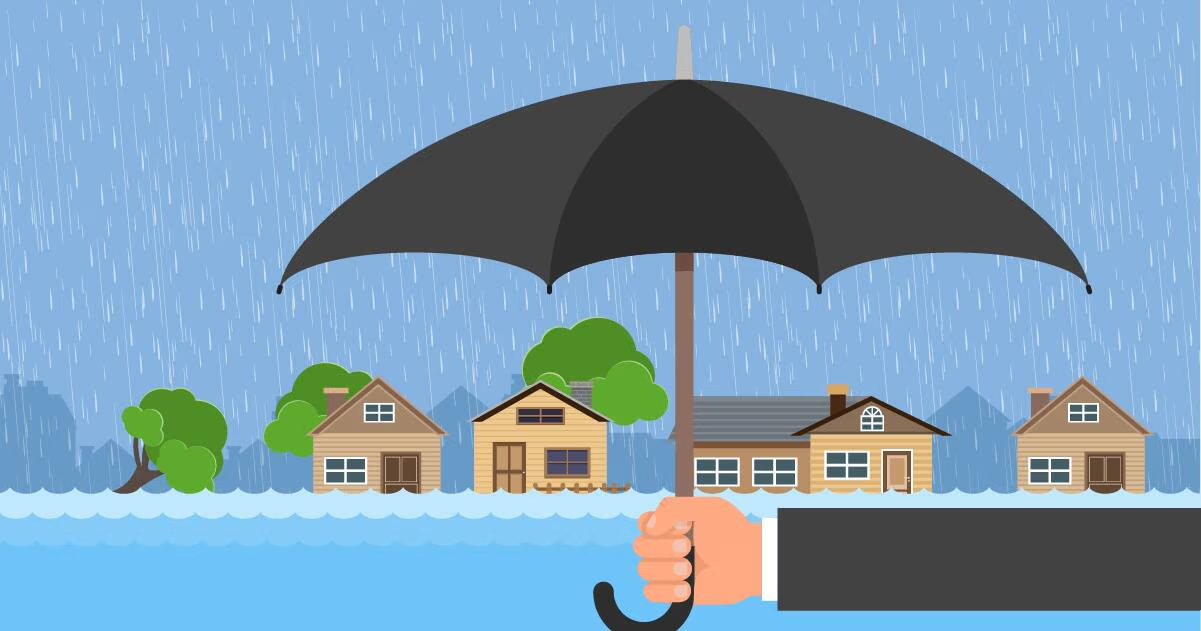

Heavy monsoon rains can cause water seepage, flooding, electrical hazards, and structural damage if homes are not prepared in advance. This guide explains practical steps homeowners and tenants can take before, during, and after the rainy season to reduce risks, protect belongings, and improve household safety.
Why Monsoon Protection Matters for Every Home
Protecting your home during heavy monsoon rains is not just about preventing inconvenience. It is about reducing the risk of costly repairs, protecting electrical systems, preserving indoor air quality, and ensuring the safety of everyone living in the house.
India experiences intense rainfall during the southwest monsoon, and several states witness waterlogging, overflowing drains, and localized flooding every year. Homes in both urban and Tier 2 and Tier 3 cities are increasingly vulnerable due to rapid urbanization, inadequate drainage, and aging infrastructure.
Whether you live in an independent house or an apartment, preparing before heavy rains arrive can significantly reduce damage. Most common monsoon-related issues such as leaking roofs, damp walls, mold growth, and electrical faults can be prevented with timely maintenance and simple precautions.
Inspect the Roof, Walls and Drainage Before the Rain Starts
One of the most important steps is to inspect your home’s exterior well before the peak monsoon season.
Check the roof for cracked tiles, damaged waterproofing, or loose sheets that could allow rainwater to enter. Even small gaps can become major leaks during continuous rainfall.
Examine exterior walls for visible cracks. Seal them using waterproof fillers or exterior-grade sealants to prevent water seepage.
Clean rooftop drains, balconies, rain gutters, and nearby stormwater outlets. Leaves, plastic waste, and dirt can block drainage, causing rainwater to accumulate and enter the house.
If your home has a terrace, ensure that water flows freely toward drainage points without pooling.
Waterproof Vulnerable Areas and Prevent Dampness
Waterproofing plays a major role in protecting buildings during prolonged rainfall.
Bathrooms, terraces, balconies, exterior walls, and basement areas should receive extra attention. If signs of previous leakage such as peeling paint, damp patches, or bubbling plaster are visible, repair them before heavy rains begin.
Doors and windows should close tightly. Replace damaged rubber seals and apply weatherproof sealant wherever small gaps exist.
Inside the house, move furniture slightly away from damp walls to improve airflow and reduce moisture buildup.
Good ventilation also helps prevent mold and mildew, which can affect both the building and indoor health.
Protect Electrical Systems and Valuable Household Items
Electrical accidents become more common during heavy rainfall, especially in waterlogged areas.
Inspect exposed wiring, damaged switchboards, and loose electrical connections. Any repair involving electrical systems should be carried out by a qualified electrician.
Avoid placing extension boards directly on the floor in areas prone to water entry.
Keep emergency lighting, fully charged power banks, flashlights, batteries, and a portable inverter ready in case of power outages.
Store important documents including Aadhaar cards, passports, insurance papers, property documents, educational certificates, and bank records in waterproof folders or sealed plastic containers.
Electronic devices that are not in use should be unplugged during severe thunderstorms to reduce the risk of power surge damage.
Prepare Your Home for Flooding and Waterlogging
Families living in flood-prone locations should take additional precautions before every monsoon.
Keep sandbags ready if your area experiences recurring water entry through doors or gates. Raise furniture, appliances, and valuable belongings above floor level whenever heavy rainfall warnings are issued.
Store emergency drinking water, dry food, medicines, first aid supplies, and essential daily items where they remain accessible even if water enters the house.
If authorities issue evacuation instructions during severe flooding, follow them immediately rather than waiting for water levels to rise.
It is also useful to save emergency contact numbers for local disaster management authorities, electricity providers, municipal services, and nearby hospitals.
Maintain Hygiene and Prevent Mosquito Breeding
Heavy rainfall often leads to stagnant water, increasing the risk of mosquito-borne diseases such as dengue and malaria.
Inspect flower pots, buckets, coolers, rooftop containers, and unused items where rainwater can collect.
Empty standing water regularly and keep water storage tanks tightly covered.
Clean indoor areas immediately after any water seepage to reduce bacterial growth and unpleasant odors.
If damp carpets, mattresses, or wooden furniture become wet, dry them thoroughly using fans or sunlight whenever weather permits.
Maintaining cleanliness after heavy rainfall is as important as protecting the building itself.
Review Home Insurance and Emergency Preparedness
Many homeowners overlook insurance until damage has already occurred.
Review your home insurance policy to understand whether it covers flooding, water damage, storms, or structural repairs. If necessary, update your coverage before the monsoon season reaches its peak.
Prepare a simple household emergency plan. Ensure every family member knows where emergency supplies are stored, how to safely switch off electricity if flooding occurs, and whom to contact during emergencies.
Having a basic preparedness plan can reduce panic and improve response during unexpected weather events.
Takeaways
- Inspect roofs, walls, drainage systems, and waterproofing before heavy rainfall begins.
- Protect electrical systems, important documents, and valuable belongings from water damage.
- Eliminate stagnant water regularly to reduce mosquito breeding and maintain household hygiene.
- Keep emergency supplies, updated insurance, and an evacuation plan ready during periods of severe rainfall.
Frequently Asked Questions
1. What is the first thing homeowners should do before the monsoon?
Inspect the roof, drainage systems, exterior walls, and waterproofing to identify and repair any weak points before continuous rainfall begins.
2. How can I prevent rainwater from entering my home?
Seal wall cracks, repair leaking roofs, clean gutters and drains, install proper weather seals on doors and windows, and improve water drainage around the property.
3. Should electrical appliances remain plugged in during thunderstorms?
It is safer to unplug non-essential electronic devices during severe thunderstorms to reduce the risk of damage caused by lightning-induced power surges.
4. Is home insurance useful for monsoon damage?
Yes. Many home insurance policies provide protection against storm-related damage, flooding, and water seepage, depending on the policy terms. Reviewing your coverage before the monsoon season is recommended.