
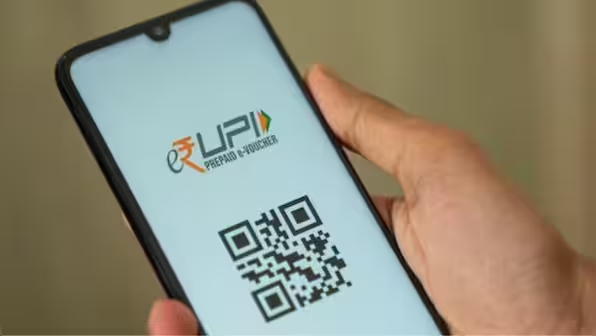

UPI scams and QR code frauds have become some of the most common cybercrimes affecting Indian users. As digital payments continue to grow across cities, towns, and villages, cybercriminals are finding new ways to trick people into sharing money or sensitive banking information. Understanding how these scams work is one of the most effective ways to stay protected.
Why UPI and QR Code Scams Are Rising
UPI has transformed digital payments in India by making transactions fast and convenient. Millions of people use platforms such as Google Pay, PhonePe, Paytm, and BHIM for daily payments. However, the popularity of these services has also attracted fraudsters.
Cybercriminals often exploit a lack of awareness rather than technical vulnerabilities. Many victims unknowingly approve fraudulent payment requests, scan malicious QR codes, or share confidential information believing they are dealing with legitimate individuals or organizations.
The good news is that most UPI scams can be avoided through basic cyber safety practices and awareness.
Understanding How QR Code Fraud Works
One of the most widespread digital payment scams involves fake QR codes. Fraudsters frequently claim they want to send money to a victim and ask them to scan a QR code.
This is where many people make a costly mistake.
A QR code is generally used to make a payment, not receive one. When a user scans a QR code and authorizes the transaction, money may leave their account instead of being credited.
Scammers often use online marketplace transactions, second-hand product sales, rental deposits, and customer support impersonation to convince victims to scan QR codes.
Before scanning any QR code, always verify who sent it and why.
Common UPI Scams Every Indian Should Know
Several scam techniques have become increasingly common across India.
Fake payment requests are among the most popular methods. Fraudsters send a collect request and tell the victim they are receiving money. In reality, approving the request authorizes a payment from the victim’s account.
Customer care scams are another major threat. Fraudsters pose as representatives of banks, payment apps, or e-commerce platforms and ask users to install screen-sharing applications or reveal sensitive details.
Remote access scams often involve convincing users to download applications that allow criminals to view the device screen and gain access to banking information.
Investment and reward scams are also growing. Victims are promised cashback rewards, lottery winnings, investment returns, or government benefits in exchange for a small payment or account verification.
Essential Cyber Safety Tips for UPI Users
Protecting yourself starts with following a few important rules.
Never share your UPI PIN with anyone under any circumstances. Banks and payment companies never ask for your PIN, OTP, or passwords.
Always read payment notifications carefully before approving transactions. Verify whether the request is for sending money or receiving money.
Avoid clicking on suspicious links received through SMS, WhatsApp, email, or social media platforms. Fraudulent links often lead to fake payment pages designed to steal credentials.
Enable app lock and device security features such as fingerprint authentication, facial recognition, or strong passwords.
Regularly update your banking and payment applications. Updates often include security improvements that help protect users from emerging threats.
How to Verify Genuine Payment Requests
Verification has become one of the most important digital habits.
Whenever someone claims they need to send you money, remember that receiving money generally does not require entering a UPI PIN. If an app asks for authorization using your PIN, review the transaction carefully.
Check the sender’s details, transaction amount, and purpose before approving any request.
For business transactions, verify payment requests directly through official customer service channels or verified contact numbers rather than relying on information received through messages.
Taking a few extra seconds to verify a transaction can prevent significant financial losses.
What to Do If You Become a Victim
Quick action can improve the chances of minimizing losses.
Immediately contact your bank and report the unauthorized transaction. Most banks have dedicated fraud reporting channels available around the clock.
Users can also report cyber financial fraud through the National Cyber Crime Reporting Portal or by calling the cybercrime helpline number 1930.
Preserve screenshots, transaction IDs, messages, and any communication related to the fraud. These details can help investigators track the scam.
The sooner the incident is reported, the higher the possibility of intervention before funds are transferred further.
The Growing Importance of Digital Awareness
India’s digital economy continues to expand rapidly, making cyber awareness an essential life skill. Fraudsters constantly adapt their techniques, but most scams still rely on convincing users to take actions that compromise their own accounts.
Understanding the difference between sending and receiving money, verifying payment requests, protecting confidential credentials, and reporting suspicious activity promptly can significantly reduce the risk of becoming a victim.
As digital payments become part of everyday life, informed users remain the strongest defense against cybercrime.
Key Takeaways
• Never share your UPI PIN, OTP, password, or banking credentials with anyone.
• Scanning a QR code usually initiates a payment and does not automatically help you receive money.
• Verify every payment request before approving a transaction.
• Report fraud immediately through your bank and the cybercrime helpline 1930.
FAQ
Q1. Can someone steal money just by knowing my UPI ID?
No. A UPI ID alone is generally not enough to withdraw money from your account. However, scammers may use it to send fraudulent payment requests.
Q2. Is it safe to scan QR codes sent by strangers?
No. Always verify the source and purpose before scanning any QR code. Fraudsters often use fake QR codes to initiate unauthorized payments.
Q3. Do banks ever ask for UPI PIN or OTP details?
No. Legitimate banks and payment service providers never ask customers to share their UPI PIN, OTP, passwords, or CVV numbers.
Q4. What should I do immediately after a UPI fraud?
Contact your bank, block further transactions if possible, and report the incident through the cybercrime helpline 1930 or the National Cyber Crime Reporting Portal as quickly as possible.
(UPI scam prevention, QR code fraud, cyber safety tips India, digital payment security, online banking fraud, UPI fraud awareness, cybercrime prevention, secure online transactions)