
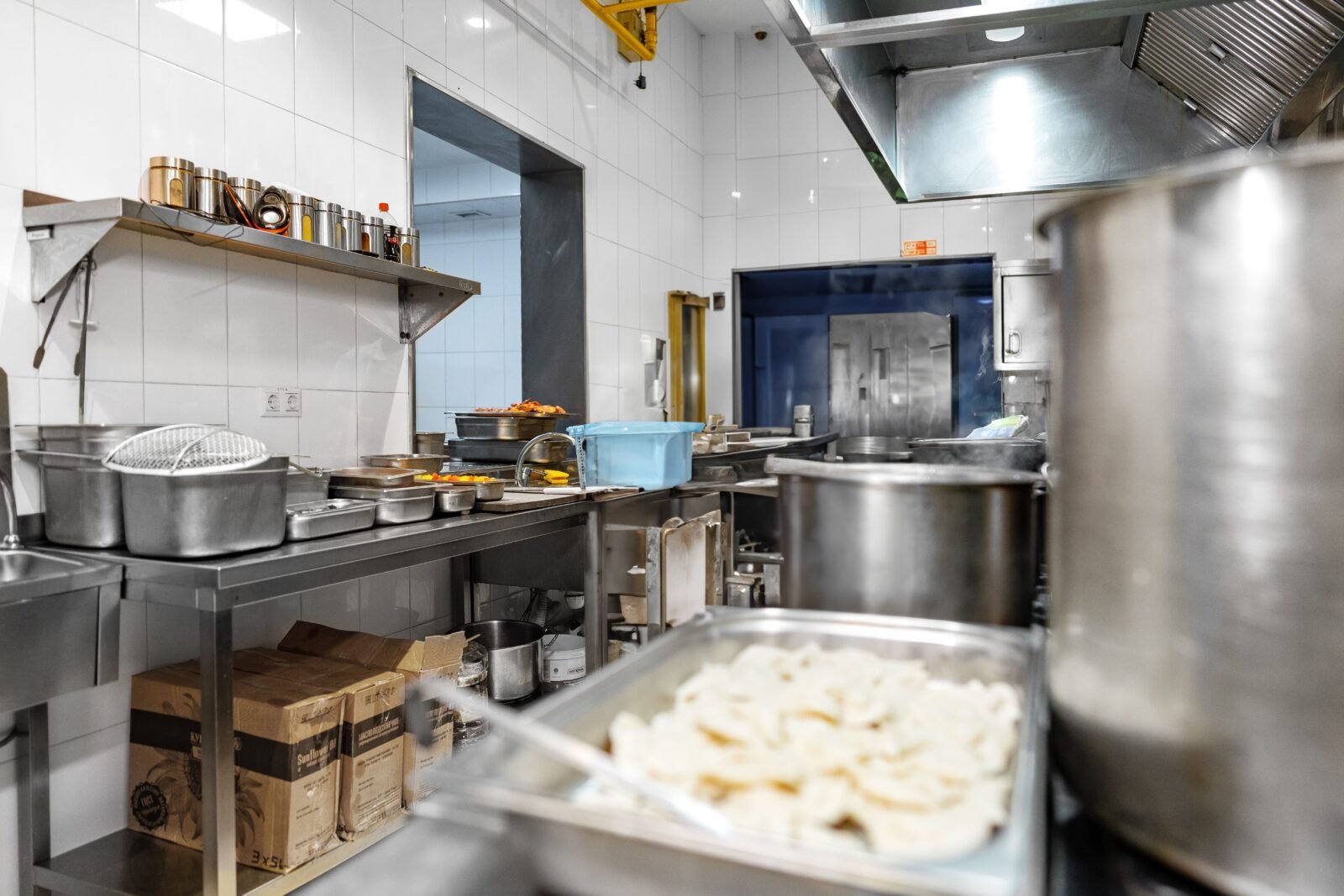

Home-based cloud kitchen businesses are growing rapidly across Tier-2 and Tier-3 Indian cities as more consumers order food online through delivery apps. With lower startup costs compared to restaurants, cloud kitchens are becoming a practical business option for homemakers, students, chefs, and small entrepreneurs.
The food delivery industry in India has expanded far beyond metro cities. Smaller cities like Nagpur, Indore, Lucknow, Surat, Bhopal, Coimbatore, and Jaipur are seeing rising demand for affordable online food delivery. This growth has encouraged many people to start cloud kitchens directly from their homes instead of investing heavily in dine-in restaurants.
A cloud kitchen operates mainly through online food delivery platforms without a traditional seating arrangement. Customers place orders through apps, and the food is prepared in a kitchen dedicated to delivery-based operations.
For beginners with cooking skills and limited investment capacity, home-based cloud kitchens offer a lower-risk way to enter the food business.
Why Smaller Indian Cities Are Ideal for Cloud Kitchens
Cloud kitchens are becoming increasingly successful in Tier-2 cities because operational costs are lower than metro areas. Rent, staff salaries, and utility expenses are comparatively manageable, allowing small entrepreneurs to start with limited budgets.
At the same time, food delivery app usage has increased significantly in non-metro regions. Young professionals, students, and working families now regularly order meals online due to convenience and changing lifestyles.
Many smaller cities also have less competition compared to Delhi, Mumbai, or Bengaluru. This creates opportunities for niche food concepts such as homemade thalis, regional dishes, healthy meals, biryani brands, snack boxes, or late-night food delivery.
Local trust plays a major role as well. Customers in smaller cities often prefer hygienic homemade food over mass-produced restaurant meals. This gives home-based kitchens a competitive advantage if they maintain quality and consistency.
Social media marketing through Instagram and WhatsApp has also helped small food brands reach local audiences without spending heavily on advertising.
Basic Requirements for Starting a Home Cloud Kitchen
Starting a cloud kitchen from home requires planning beyond cooking skills alone. Entrepreneurs must understand hygiene standards, licensing, packaging, delivery operations, and customer service.
One of the first steps is obtaining an FSSAI registration or license. Food businesses in India are legally required to comply with food safety regulations. Even small home kitchens should register properly to avoid future operational issues.
Kitchen cleanliness is another critical factor. Delivery customers may never see the kitchen physically, but food quality and hygiene directly affect online reviews and repeat orders.
Basic equipment such as gas stoves, refrigerators, storage containers, utensils, and packaging materials are essential. Initially, many entrepreneurs start with existing household equipment to reduce costs.
Packaging quality matters more than many beginners expect. Poor packaging can damage food during delivery and negatively impact customer satisfaction.
Reliable internet access, smartphone usage, and digital payment systems are also necessary because most cloud kitchens operate entirely online.
Choosing the Right Food Category and Pricing Strategy
Many new cloud kitchens fail because they try offering too many dishes at once. Experts often recommend starting with a focused menu rather than a large restaurant-style list.
A specialized menu improves consistency and simplifies inventory management. For example, some successful small-town cloud kitchens focus only on biryani, homemade meals, sandwiches, desserts, or regional cuisine.
Understanding local demand is important before finalizing the menu. In college areas, affordable fast food may perform better, while residential zones may prefer homemade lunch or dinner options.
Pricing strategy should balance affordability with profitability. Beginners often underprice their food to attract customers, but extremely low pricing can hurt long-term sustainability.
Food delivery platforms also charge commissions, which must be considered while calculating menu prices.
Testing recipes with family, friends, or small local groups before launching publicly can help improve quality and portion sizes.
How Delivery Apps and Social Media Help New Kitchens Grow
Online food delivery platforms have made it easier for small kitchens to access customers without opening physical restaurants.
Apps like Swiggy and Zomato allow cloud kitchens to receive orders directly through their systems. However, approval processes may include documentation, kitchen verification, and compliance checks.
Many successful cloud kitchens also depend heavily on local social media marketing. Instagram pages featuring food photos, customer reviews, and behind-the-scenes kitchen videos help build trust.
WhatsApp groups, local Facebook communities, and college networks are also effective marketing channels in smaller cities.
Customer reviews are extremely important in online food businesses. Positive ratings improve visibility on delivery apps and increase repeat orders.
Quick response time, proper packaging, and consistent taste often matter more than expensive branding during the early growth stage.
Common Challenges New Cloud Kitchen Owners Face
One major challenge is managing delivery delays during peak hours. Even good food can receive negative reviews if orders arrive late or damaged.
Maintaining consistency is another issue. Customers expect the same taste and quality every time they order. Inconsistent food preparation often leads to poor ratings.
Inventory management also becomes important as orders increase. Wastage of raw materials can reduce profits significantly if not monitored properly.
Many beginners underestimate marketing requirements. Simply listing a kitchen on delivery apps does not guarantee visibility. Regular offers, customer engagement, and local promotion are often necessary to build awareness.
Mental and physical workload can also become stressful because many small cloud kitchen owners handle cooking, packaging, customer service, and order management themselves initially.
Despite these challenges, many entrepreneurs in smaller Indian cities are successfully building profitable food businesses with gradual expansion strategies.
Key Takeaways
- Home-based cloud kitchens require lower investment than traditional restaurants
- Tier-2 cities offer growing food delivery demand with less competition
- Proper hygiene, licensing, and packaging are essential for long-term success
- Social media and delivery apps play a major role in customer growth
FAQ
What is a cloud kitchen business?
A cloud kitchen is a food business that operates mainly through online delivery without a dine-in restaurant setup.
Is FSSAI registration required for home kitchens?
Yes, food businesses in India generally require FSSAI registration or licensing depending on operational scale.
How much investment is needed to start a small cloud kitchen?
Many small home-based kitchens start with relatively low investment by using existing kitchen equipment and limited menus.
Which food items work best in Tier-2 cities?
Homemade meals, regional dishes, biryani, snacks, and affordable fast food often perform well depending on local demand.