

Starting a home-based cloud kitchen in Tier-2 cities has become a practical business model in India due to rising food delivery demand and lower setup costs. This guide explains legal requirements, setup steps, investment, and operational strategies for launching successfully.
Understanding the Cloud Kitchen Model in Tier-2 India
A home-based cloud kitchen operates without a dine-in facility and relies entirely on online food delivery platforms. In Tier-2 cities like Nagpur, Indore, and Surat, this model is growing due to increasing smartphone usage and expansion of delivery apps such as Zomato and Swiggy.
Lower rentals and less competition compared to metro cities make smaller cities ideal for first-time food entrepreneurs. Demand is driven by working professionals, students, and families seeking convenience.
The model works best with focused menus such as biryani, tiffin services, snacks, or regional cuisine. Operators can start small and scale based on demand without investing in expensive storefronts.
Legal Requirements for Cloud Kitchen Setup in India
To start a home-based cloud kitchen legally, certain registrations are mandatory. The most critical is obtaining an FSSAI license from the Food Safety and Standards Authority of India. For small-scale operations, a basic registration is sufficient if turnover remains within prescribed limits.
You will also need a GST registration if your annual turnover crosses the threshold or if you partner with platforms like Zomato or Swiggy, as they often require GST compliance.
Local municipal permissions may apply depending on the city. Some states require a trade license or NOC from housing societies for home-based businesses.
Maintaining hygiene standards, proper food storage, and labeling compliance is essential to avoid penalties.
Setting Up Your Home Kitchen for Commercial Use
Converting a home kitchen into a cloud kitchen requires some operational upgrades. The focus should be on efficiency, hygiene, and scalability.
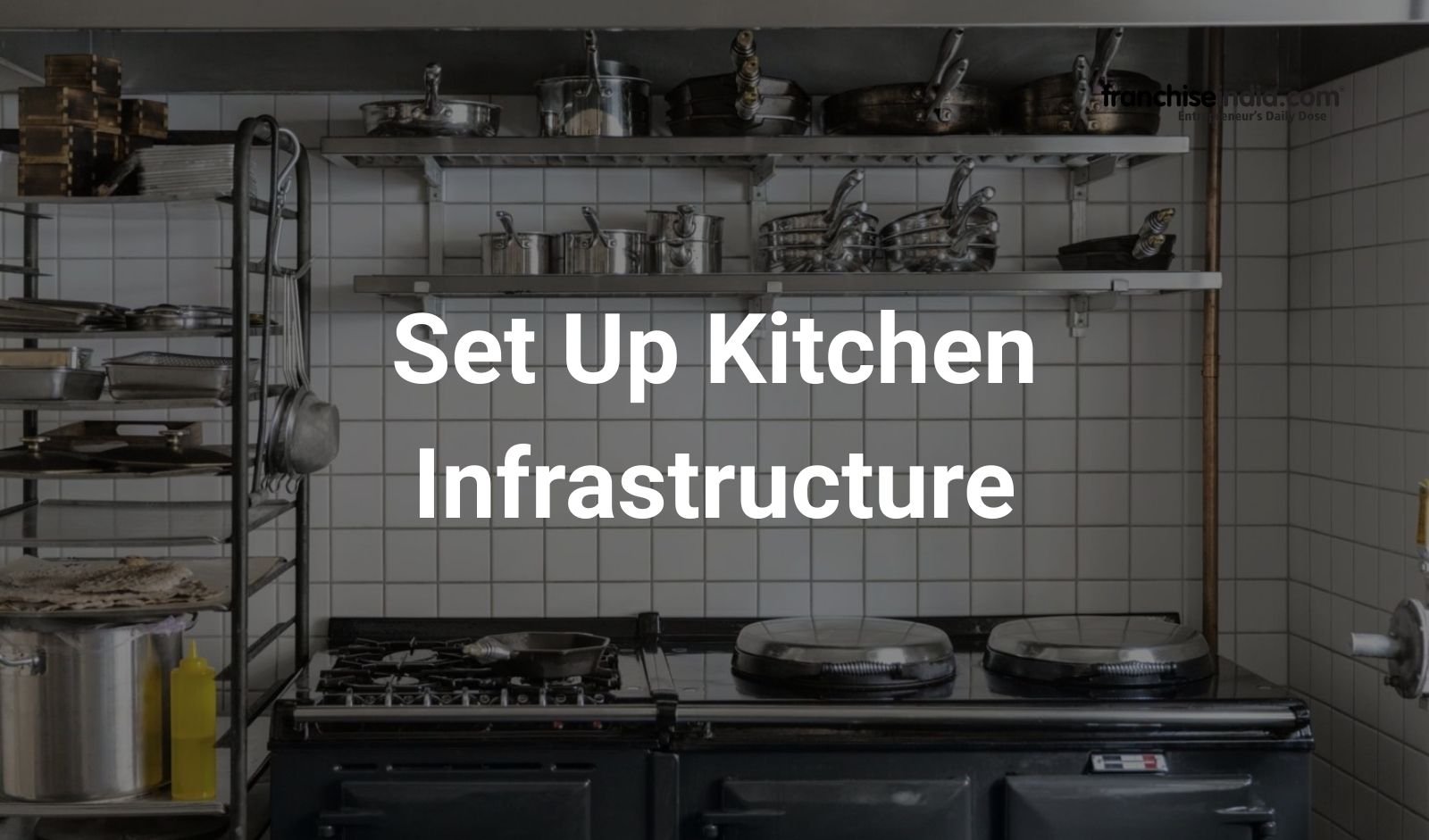
Invest in essential equipment such as commercial gas stoves, storage containers, refrigeration, and packaging materials. Separate raw and cooked food storage areas to meet food safety norms.
A dedicated workspace within your home helps maintain consistency and avoids cross-contamination. Even in small homes, reorganizing layout can significantly improve workflow.
Packaging plays a key role in customer experience. Leak-proof and heat-retaining packaging improves ratings and repeat orders.
Choosing the Right Menu and Pricing Strategy
Menu selection directly impacts success. Instead of offering a wide variety, focus on a niche where demand is consistent. For example, North Indian meals, breakfast combos, or healthy diet meals.
Pricing should consider platform commissions, packaging costs, and local competition. Tier-2 markets are price-sensitive, so maintaining a balance between affordability and margins is critical.
Combo meals and subscription plans work well in cities with student populations or working professionals.
Regular menu optimization based on order data helps improve profitability over time.
Partnering with Food Delivery Platforms for Growth
Listing your cloud kitchen on platforms like Zomato and Swiggy is essential for visibility. These platforms provide access to a large customer base and integrated logistics.
However, they charge commissions that can range significantly, impacting margins. Many successful operators also build direct ordering channels through WhatsApp or Instagram to reduce dependency.
Customer ratings and reviews play a major role in ranking. Consistent quality, timely delivery, and proper packaging help maintain high ratings.
Running targeted discounts during initial weeks can boost visibility and order volume.
Cost Breakdown and Investment in Tier-2 Cities
One of the biggest advantages of starting in a Tier-2 city is lower investment. A basic home-based cloud kitchen can start with a modest budget compared to traditional restaurants.
Major expenses include kitchen equipment, raw materials, packaging, and platform onboarding costs. Since there is no rent involved in most cases, fixed costs remain low.
Break-even timelines vary but can be achieved faster if order volume stabilizes within the first few months.
Operators who reinvest early profits into branding and menu expansion tend to scale faster.
Common Challenges and How to Handle Them
Initial challenges include low visibility, inconsistent orders, and managing platform commissions. Many new operators struggle with maintaining quality during peak hours.
Standardizing recipes and preparing partial batches in advance can improve efficiency. Tracking daily expenses and order data helps in identifying profitable items.
Customer feedback should be taken seriously. Negative reviews, if addressed quickly, can improve long-term performance.
Building a repeat customer base is more sustainable than relying only on platform traffic.
Takeaways
- Cloud kitchens are low-investment food businesses ideal for Tier-2 cities
- FSSAI registration and GST compliance are key legal requirements
- Focused menus and efficient packaging drive customer retention
- Balancing platform dependency with direct orders improves profitability
FAQs
1. Can I start a cloud kitchen from home legally in India?
Yes, as long as you obtain an FSSAI license and meet local municipal guidelines, home-based cloud kitchens are legal.
2. How much investment is required to start?
A basic setup can start with a relatively low investment compared to traditional restaurants, depending on scale and equipment.
3. Is GST mandatory for cloud kitchens?
GST becomes mandatory if your turnover crosses the threshold or if required by delivery platforms.
4. Which food items work best in Tier-2 cities?
Affordable, high-demand items like thalis, biryani, snacks, and tiffin services perform consistently well.