
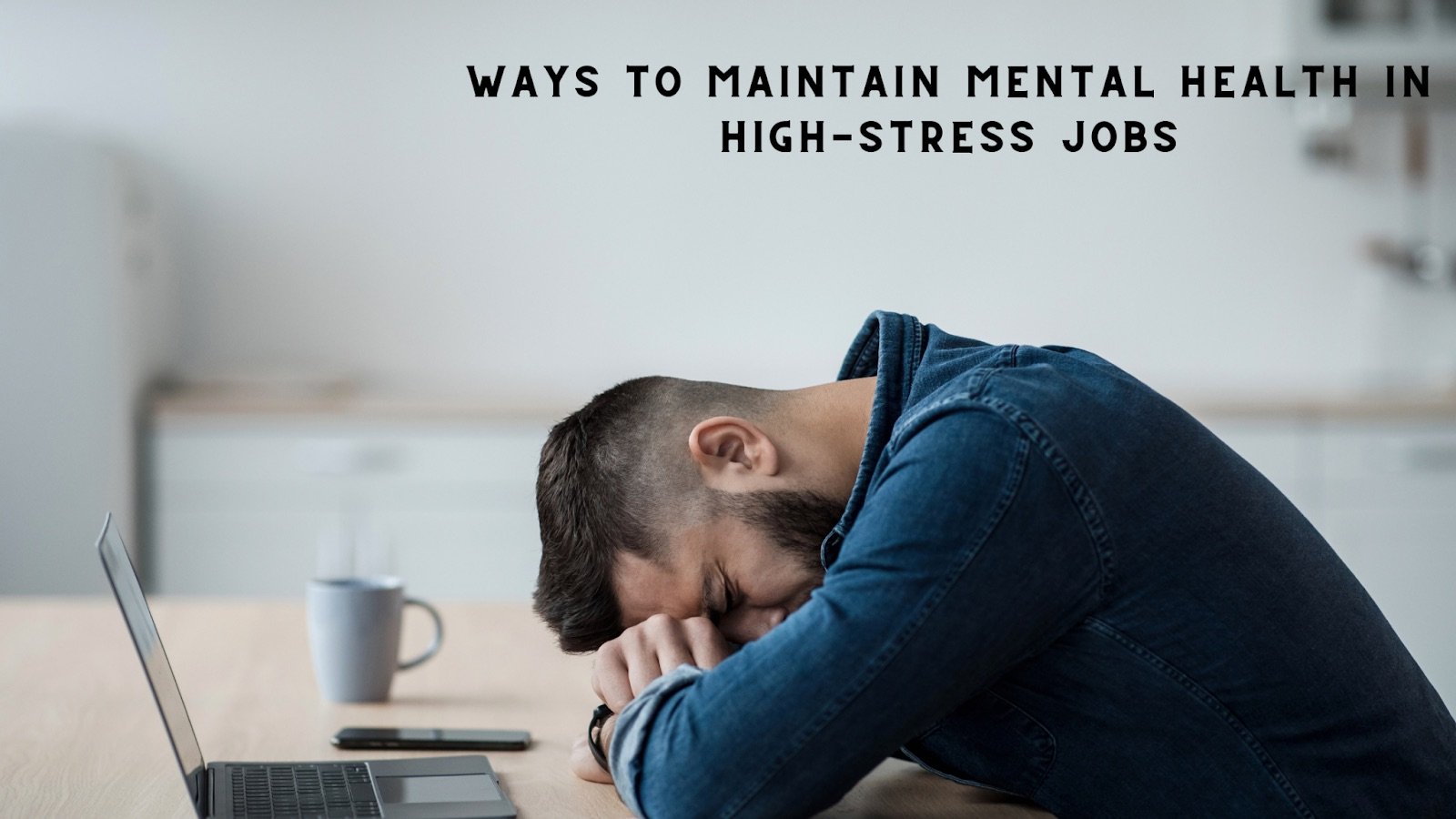

Staying mentally and physically healthy is a growing priority for young Indians working in high stress jobs. Longer workdays, constant digital communication and rising performance pressure affect focus, mood and overall wellbeing. This wellness primer outlines practical and fact checked habits tailored for Gen Z professionals.
Understand the impact of high stress on daily functioning
The main keyword mentally and physically healthy should guide your wellness approach. High stress roles trigger fatigue, irritability and disrupted sleep. These changes reduce productivity and weaken immunity over time. Young professionals often underestimate these early signs because they adjust quickly to fast paced work cultures. However, sustained stress affects the body through elevated cortisol levels, inconsistent appetite patterns and reduced energy for physical activity. Early awareness allows preventive action. A simple routine that covers sleep quality, food balance, movement and digital boundaries can stabilise daily functioning even during demanding work periods.
Build a consistent sleep and recovery schedule
Secondary keywords like stress recovery and sleep health play a major role in stabilising wellbeing. Quality sleep influences memory, decision making and emotional balance. Young workers commonly sleep late due to late night screens or unpredictable work hours, which disrupts natural circadian rhythms. Aim for a fixed sleep and wake cycle on most days, even during busy periods. Keep screens away at least 30 minutes before bedtime to reduce blue light exposure. Short relaxation activities such as slow breathing, warm showers or calming audio help the body shift into rest mode. Consistency matters more than perfect routines and creates long term resilience.
Create a movement routine that fits tight schedules
Physical health can improve significantly through small, regular activities. Tier 2 and metro based professionals often struggle to maintain gym routines due to commute and workload. Instead, use shorter but frequent sessions. Ten minute bodyweight workouts, short cycling sessions or brisk walks between tasks keep metabolism active. Desk based roles increase stiffness and shoulder strain, so add stretching every two to three hours. For those with long screen hours, include eye breaks to reduce fatigue. Physical activity improves blood circulation, stabilises mood and supports better sleep. The key is sustainability rather than intensity.
Build a balanced eating pattern that supports energy levels
Nutrition habits often break down under work stress. Skipping meals, overeating snacks or relying on processed foods reduces energy stability. Focus on simple, accessible meals that include protein, complex carbohydrates and vegetables. Home cooked dal, roti, rice, eggs, sprouts, fruits and curd provide stable nourishment at low cost. Hydration is equally important because dehydration increases headaches and fatigue. Keep water within reach throughout the workday. For those in night shifts or unpredictable environments, preparing quick meal boxes or choosing balanced options from workplace cafeterias helps maintain consistency. Avoid excessive caffeine because it disrupts sleep and worsens anxiety when consumed late.
Set digital boundaries to reduce mental fatigue
Constant notifications, work chats and social media scrolling increase mental stress. Digital overwhelm also affects concentration and heightens irritability. Create fixed time blocks for checking work messages during non urgent hours. Disable non essential app alerts to maintain focus. Limit late night social media usage because it increases stimulation and impacts sleep quality. Gen Z professionals often juggle multiple screens, making conscious digital boundaries essential. Using a separate workspace at home helps the brain switch between work and personal time more efficiently.
Use practical mental health tools during peak pressure
Mental health routines do not require long sessions or expensive programs. Short practices like journalling, slow breathing or mindful breaks reduce stress responses. Writing down tasks helps clear mental clutter. Breathing exercises lower heart rate and create a sense of control during demanding work phases. Talking to trusted friends or family members provides emotional grounding. If stress begins to affect daily functioning, consistent low mood lasts longer than two weeks or sleep becomes severely disrupted, seeking professional support is advisable. Early intervention prevents escalation.
Strengthen social connections to maintain emotional resilience
Strong relationships improve emotional stability and reduce burnout risk. Young workers in new cities often feel isolated, increasing stress vulnerability. Building small but meaningful social circles helps manage workload pressure. Engage in hobbies, local communities or fitness groups to balance work life. Regular interactions improve mood, support motivation and reduce the feeling of working in isolation. Social wellbeing works as a buffer against stress and enhances long term mental health.
Takeaways
Create a consistent sleep and recovery pattern for stability
Use small and regular movement routines to stay physically active
Build balanced eating habits that support sustained energy
Set clear digital boundaries to prevent mental overload
FAQs
Why do young professionals experience higher stress levels
High workloads, constant digital connectivity and competitive work environments increase daily pressure. Irregular sleep and long screen time add to the strain.
Can short workouts be as effective as long sessions
Yes. Frequent short sessions improve metabolism, reduce stiffness and support long term fitness when done consistently.
How can digital boundaries improve mental health
Limiting notifications, scheduling message checks and reducing late night screen time lower mental fatigue and improve focus and sleep quality.
When should a young worker seek professional mental health support
If stress affects daily functioning, sleep remains disturbed for extended periods or mood stays consistently low, professional support is recommended.