
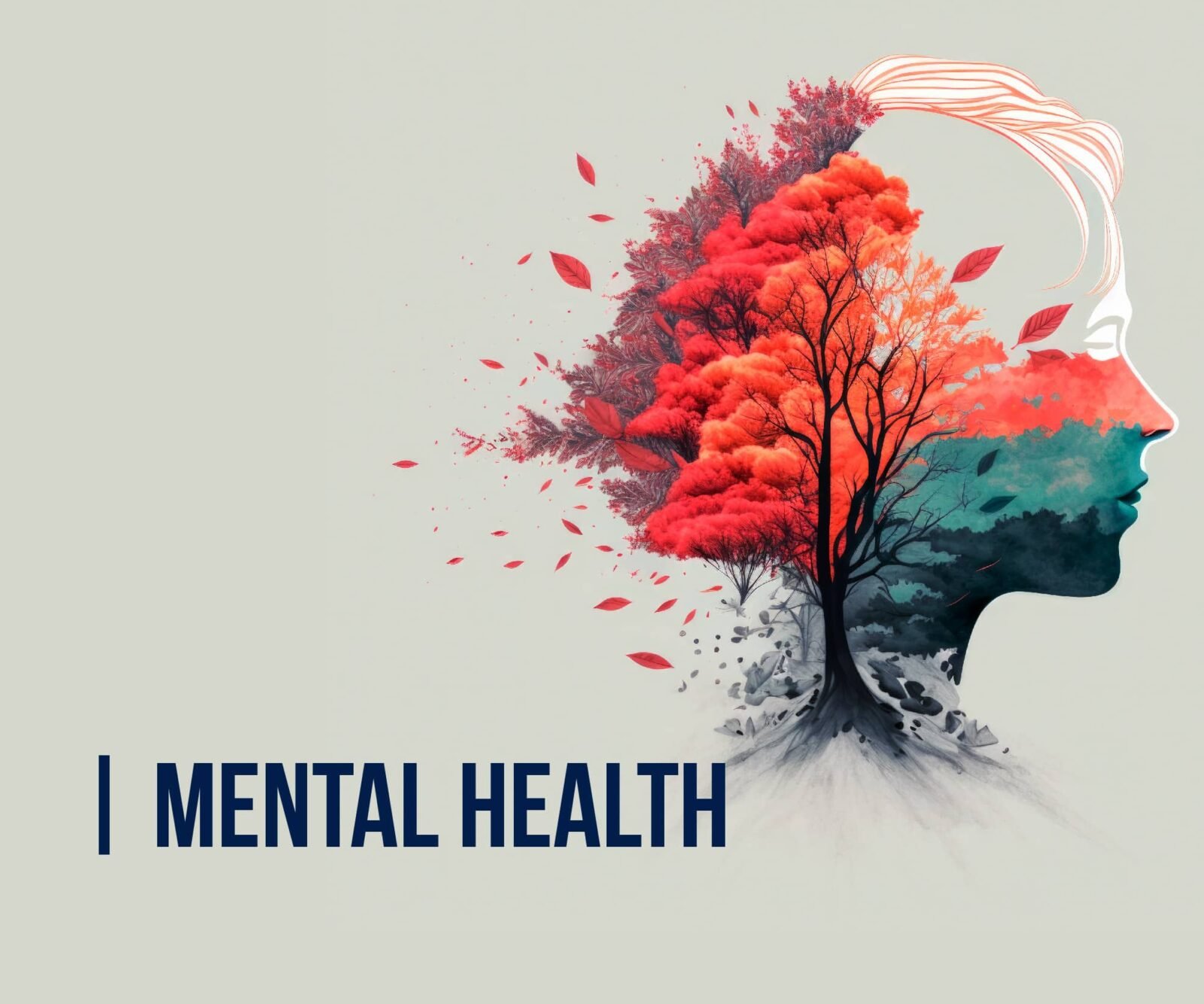

For decades, mental health in India remained a taboo topic, whispered about but rarely discussed openly. Stigma, misinformation, and cultural perceptions kept many from seeking help. However, recent years have seen a shift. Awareness campaigns, social media dialogues, and celebrity endorsements are encouraging open conversations. Especially in Tier 1 and Tier 2 cities, Indians are beginning to prioritize mental well-being, recognizing its impact on personal, academic, and professional life.
Changing Perceptions in Urban India:
Metro cities like Mumbai, Bengaluru, and Delhi have witnessed a growing acceptance of mental health discussions. Workplaces are incorporating counseling programs, schools are introducing emotional well-being sessions, and public forums are openly addressing stress, anxiety, and depression. The younger generation, exposed to global perspectives and online resources, is challenging outdated notions and advocating for normalized conversations.
Influence of Media and Celebrities:
Social media platforms, podcasts, and television have played a pivotal role in destigmatizing mental health. Influencers, actors, and sports personalities openly sharing their struggles have humanized these experiences, inspiring millions to seek help without shame. Campaigns emphasizing that mental health is as important as physical health are reshaping public opinion across India.
Impact of the Pandemic:
The COVID-19 pandemic acted as a wake-up call. Lockdowns, uncertainty, and isolation highlighted the significance of mental resilience. Surveys during the pandemic indicated rising stress, anxiety, and depression, prompting schools, workplaces, and families to address emotional well-being actively. The crisis accelerated conversations around therapy, mindfulness, and stress management, making mental health a mainstream concern.
Barriers and Continuing Challenges:
Despite progress, obstacles remain. Many regions still lack accessible mental health services, and affordability remains a challenge. Cultural stigma persists in smaller towns and rural areas, discouraging people from seeking professional help. Experts emphasize the need for widespread education, government support, and community initiatives to ensure mental health resources reach everyone.
The Role of Education and Workplace Policies:
Schools and colleges in Tier 1 and Tier 2 cities are now implementing programs to teach emotional intelligence, coping mechanisms, and mindfulness. Similarly, corporate India is recognizing employee well-being as essential for productivity. Workshops, counseling helplines, and stress management sessions are becoming common, reinforcing that mental health support is both necessary and acceptable.
Conclusion:
India is gradually moving from silence to conversation regarding mental health. While challenges persist, increased awareness, education, and cultural shifts are fostering an environment where discussing emotions is no longer taboo. Open dialogue, accessible resources, and empathetic workplaces can ensure that mental well-being becomes a standard aspect of life across cities and communities.