
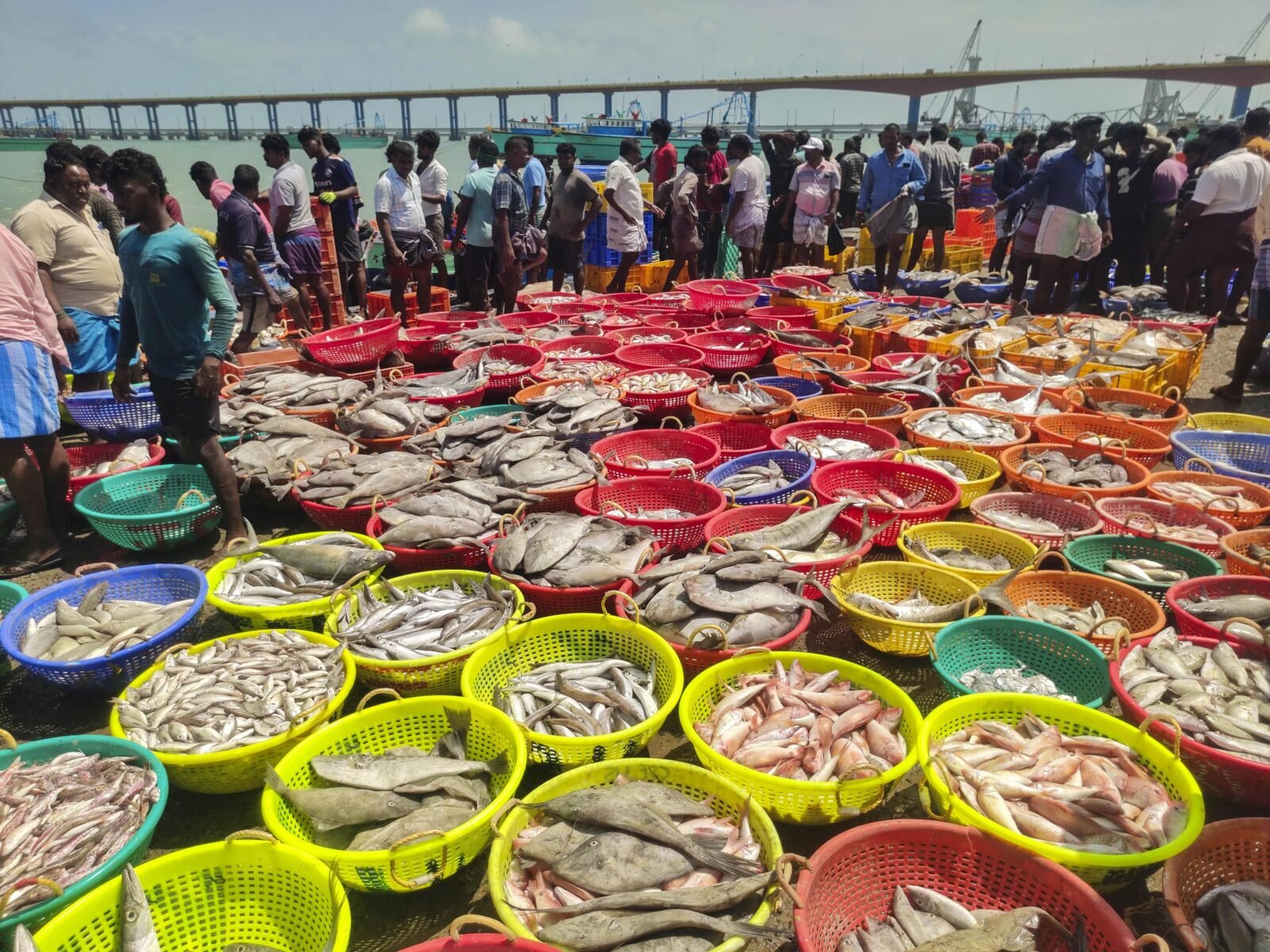

India has achieved a historic seafood export milestone by crossing ₹72,300 crore in the 2025-26 fiscal year. This unprecedented growth highlights the vital contribution of small-scale coastal entrepreneurs in Andhra Pradesh and Odisha who modernized traditional aquaculture practices to meet global demand.
Strengthening Indias Position in the Global Seafood Market
The 2025-26 fiscal year has marked a turning point for the Indian blue economy. By reaching the ₹72,300 crore mark, India has solidified its position as one of the top three seafood exporters globally. The primary driver for this 12% year on year growth was the diversification of export species. While Frozen Shrimp remains the undisputed king of the basket, accounting for over 65% of total value, there has been a significant surge in the export of Frozen Fish, Squid, and Cuttlefish. This growth is not merely a result of higher volumes but also a shift toward value added products. Processing units in industrial hubs have transitioned from shipping raw materials to ready to cook and breaded seafood items, which command premium prices in European and North American markets.
The Role of Coastal Entrepreneurs in Andhra Pradesh
Andhra Pradesh continues to be the powerhouse of Indian aquaculture, contributing nearly 35% of the total export value. However, the story of 2026 is the rise of the small scale entrepreneur. Thousands of farmers in districts like West Godavari, Nellore, and Krishna have moved away from intensive, high density farming that often led to disease outbreaks. Instead, they have adopted “Smart Farming” techniques. By using IoT based sensors to monitor water salinity and pH levels, these entrepreneurs reduced crop mortality rates by 25%. These localized innovations allowed small pond owners to achieve international quality certifications, making their produce eligible for high end retail chains in the United States and Japan. The state government’s focus on providing subsidized electricity and better cold chain logistics at the farm gate has been a critical catalyst.
Odisha Emerging Aquaculture Frontier and Policy Support
Odisha has emerged as the fastest growing state in the seafood sector this year. Traditionally known for its vast coastline, the state has recently unlocked its potential through the Odisha Seafood Processing Policy. Small scale entrepreneurs in Balasore, Bhadrak, and Ganjam have benefited from the cluster based approach. By forming cooperatives, these farmers have bypassed middle men, selling directly to large scale exporters. The 2026 data shows that Odisha’s contribution to the national export basket grew by 18% compared to the previous year. This was largely driven by the cultivation of Black Tiger Shrimp, which has seen a resurgence in global markets due to its superior taste and size. The state’s investment in testing laboratories ensured that zero consignments were rejected due to antibiotic residues, a feat that has enhanced the “Brand India” reputation abroad.
Modernizing Infrastructure and the Cold Chain Logistics
The jump to ₹72,300 crore would not have been possible without significant improvements in the cold chain. In 2025 and early 2026, the central government fast tracked the Pradhan Mantri Matsya Sampada Yojana, focusing on “farm to fork” traceability. This system allows international buyers to track a batch of shrimp back to the specific pond in Odisha or Andhra Pradesh where it was harvested. Furthermore, the operationalization of new dedicated cargo terminals at Visakhapatnam and Paradip ports has reduced transit times by 48 hours. For perishable goods like chilled tuna and live crabs, these 48 hours are the difference between a premium sale and a total loss. Private equity investment in localized cold storage has also enabled small entrepreneurs to store their harvest during price dips, giving them better bargaining power.
Future Outlook for the Indian Blue Economy
As India looks toward the 2027 fiscal year, the focus is shifting toward sustainable mariculture. The success of 2026 has proven that the export market is hungry for Indian seafood, but environmental concerns are becoming a trade barrier. To maintain this momentum, the industry is now investing in seaweed farming and cage culture in the open sea. These methods are less taxing on coastal land resources and provide a secondary income stream for fishing communities. The integration of blockchain for digital payments and insurance has also reduced the financial risk for coastal startups. With the current trajectory, industry experts predict that India could aim for the ₹1,00,000 crore mark by 2030, provided that the synergy between technology and grassroots entrepreneurship continues to thrive.
Key Takeaways for the Seafood Industry
- India reached a record ₹72,300 crore in seafood exports for FY 2025-26, driven by value added processing.
- Small scale entrepreneurs in Andhra Pradesh used IoT and smart sensors to reduce crop loss and meet global standards.
- Odisha saw an 18% growth by focusing on Black Tiger Shrimp and establishing state of the art testing labs.
- Improved cold chain logistics and port infrastructure at Paradip and Visakhapatnam significantly reduced transit times and waste.
Frequently Asked Questions
What was the main reason for the record seafood exports in 2026? The record was driven by a combination of high global demand for Frozen Shrimp, better quality control at the farm level in Andhra Pradesh and Odisha, and the expansion of value added seafood products that fetch higher prices.
How did small farmers contribute to this national milestone? Small scale farmers adopted modern aquaculture technology, such as automated feeders and water quality sensors, and formed cooperatives to improve their bargaining power and direct access to international markets.
Which states are the leading contributors to India seafood exports? Andhra Pradesh remains the top contributor, followed by significant growth from Odisha, Gujarat, and Kerala. Odisha specifically showed the highest growth rate due to favorable state policies.
What are the biggest challenges facing Indian seafood exporters today? Key challenges include maintaining strict international food safety standards, volatile global fuel prices affecting shipping costs, and the need for sustainable farming practices to prevent environmental degradation.