
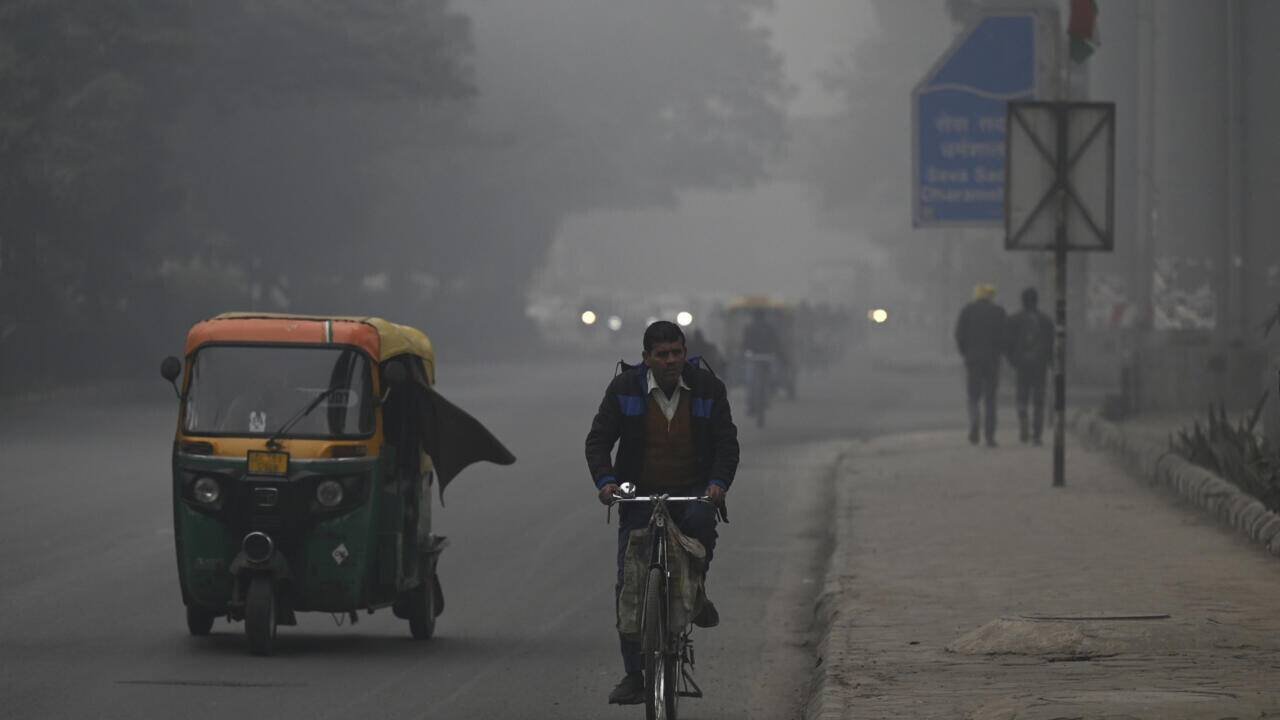

Dense fog and cold wave conditions regularly affect North India during winter, especially across Delhi, Haryana, and Uttar Pradesh. Knowing how to track alerts and prepare in advance can reduce health risks, prevent travel disruptions, and help households manage daily routines safely during extreme weather spells.
Dense fog refers to visibility dropping below 50 metres, while a cold wave is declared when minimum temperatures fall significantly below seasonal norms. These conditions often occur together in December and January due to low wind speed, high moisture, and persistent cold air over the Indo-Gangetic plains.
This guide explains how to track official alerts, understand weather warnings, and prepare practically for fog and cold waves without panic.
Understanding Dense Fog and Cold Wave Conditions in North India
Dense fog forms when moisture condenses near the ground during calm, cold nights. In Delhi, Haryana, and western Uttar Pradesh, fog intensity increases due to pollution particles that trap moisture. Cold waves are caused by cold northerly winds and clear night skies that allow heat to escape rapidly.
Fog usually peaks between midnight and late morning, disrupting road, rail, and air travel. Cold wave conditions raise health risks for children, the elderly, and people with respiratory or heart issues. Tier 2 cities such as Meerut, Rohtak, Panipat, Aligarh, and Agra often experience longer fog persistence than central Delhi due to open land and agricultural fields.
Recognising the pattern helps households plan early morning activities and travel.
How to Track IMD Fog and Cold Wave Alerts Accurately
The Indian Meteorological Department issues daily forecasts, warnings, and colour coded alerts. Yellow alerts indicate conditions that require awareness, orange alerts signal likely disruptions, and red alerts mean severe impact.
IMD updates are released twice daily and include visibility forecasts, minimum temperature predictions, and cold wave advisories. Regional meteorological centres provide district specific bulletins for Delhi NCR, western UP, and Haryana.
Mobile weather apps that pull data directly from IMD models are more reliable than generic forecasts. Pay attention to phrases like dense to very dense fog, cold day conditions, or severe cold wave, as these indicate higher risk levels.
Local district administrations also issue advisories for school timings, traffic restrictions, and health precautions based on IMD inputs.
Travel Safety Checklist During Dense Fog Conditions
Travel is the most affected activity during fog spells. Visibility below 100 metres can make even short drives dangerous.
Before travelling early morning, check visibility forecasts rather than just temperature. If visibility is predicted below 200 metres, delay non essential road travel. Use fog lamps correctly and avoid high beam headlights, which reduce visibility further.
On highways and expressways, maintain low speed, keep safe distance, and follow lane markings. Avoid overtaking unless visibility improves. For two wheelers, use reflective clothing and avoid riding during peak fog hours.
Train and flight passengers should monitor delay updates and keep buffer time for connections. Fog related disruptions often improve after late morning when sunlight increases.
Health and Home Preparation During Cold Wave Conditions
Cold waves increase the risk of hypothermia, respiratory infections, and blood pressure fluctuations. Layered clothing is more effective than heavy single layers. Cover extremities like head, ears, and feet to prevent heat loss.
Indoor heating should be used carefully with proper ventilation to avoid carbon monoxide buildup. Avoid using coal or unvented heaters indoors. Elderly family members should be checked frequently, especially during night hours.
Warm fluids, adequate calories, and limited early morning exposure reduce cold stress. For school going children, follow district advisories on timing changes and outdoor activity restrictions.
Pets and livestock also require shelter and bedding during cold nights, particularly in semi rural areas of UP and Haryana.
Decoding Cold Day and Severe Cold Wave Warnings
A cold day is declared when the maximum temperature stays unusually low due to fog and cloud cover, even if minimum temperatures are not extreme. Severe cold wave conditions involve sharp drops in minimum temperatures over consecutive days.
Understanding this difference matters because cold days affect daytime activity, while cold waves increase night time health risks. Both can coexist during prolonged winter spells.
Farmers should monitor frost warnings during cold wave periods as crops like potatoes, mustard, and vegetables are vulnerable to damage. Protective measures such as light irrigation and smoke cover are commonly advised in rural belts.
Preparing a Personal Fog and Cold Wave Action Plan
Households benefit from a simple winter action plan. Identify critical travel needs, keep emergency contact numbers accessible, and stock essential medicines. Schedule outdoor work for late morning or afternoon hours when visibility improves.
Digital tracking of alerts helps families respond quickly to changing conditions. Sharing verified weather updates within communities reduces misinformation and panic during extreme winter spells.
Takeaways
- Dense fog and cold waves peak during late night and early morning hours in North India
- IMD alerts and district advisories are the most reliable sources for tracking conditions
- Delaying travel and following fog driving protocols significantly reduces accident risk
- Health protection during cold waves requires layered clothing, warm nutrition, and indoor safety
FAQs
How long do dense fog conditions usually last in Delhi and UP?
Fog episodes can last from a few hours to several consecutive days, especially during prolonged cold wave periods in December and January.
What visibility level is considered dangerous for driving?
Visibility below 100 metres is considered high risk for road travel, especially on highways and expressways.
Are cold day and cold wave the same thing?
No. Cold days relate to low daytime temperatures due to fog, while cold waves refer to unusually low night temperatures.
Can fog conditions change suddenly during the day?
Yes. Fog can clear rapidly after sunrise but may return in the evening if moisture and calm winds persist.