
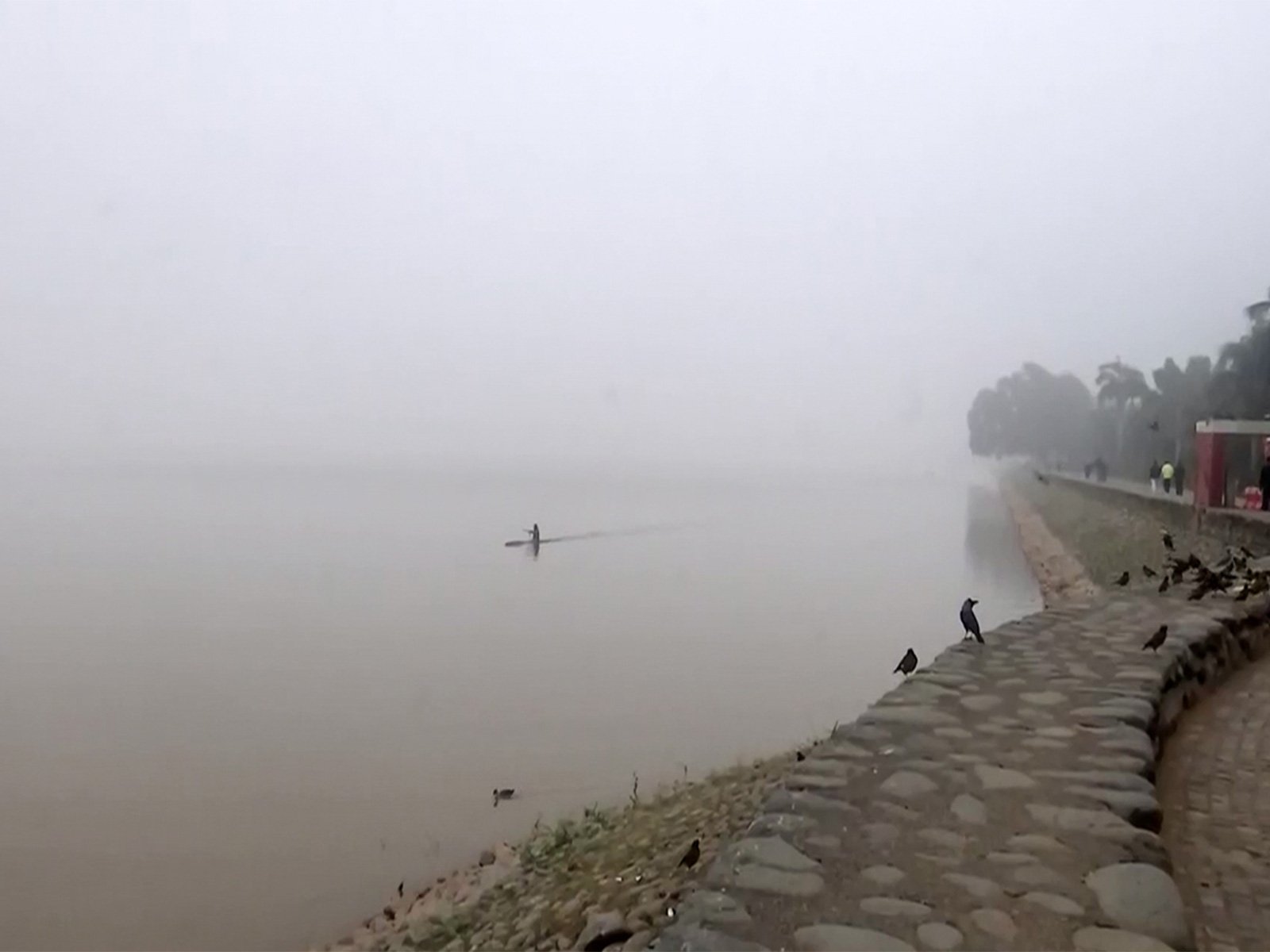

Tracking cold wave and fog advisories from IMD is essential for safe road travel planning during winter months in North and Central India. Sudden drops in temperature, dense fog, and low visibility directly affect highways, state roads, and early morning travel schedules.
This topic is evergreen informational with seasonal relevance. The tone remains educational and practical, focusing on how travellers, drivers, and logistics operators can use official IMD updates effectively.
Why IMD Advisories Matter for Road Travel Planning
The India Meteorological Department issues cold wave and fog advisories to warn about weather conditions that can disrupt daily life. For road users, these advisories are not general forecasts. They provide actionable signals about visibility, surface temperature, and potential hazards like black ice in northern regions.
Dense fog reduces visibility to under 50 metres in severe cases, leading to pile-ups on highways. Cold wave conditions can cause mechanical issues, reduced tyre grip, and health risks for drivers. IMD advisories help travellers decide departure times, routes, rest breaks, and whether travel should be postponed altogether.
Ignoring these updates often leads to delays, accidents, or forced halts at toll points and checkpoints.
Understanding Cold Wave and Fog Categories Used by IMD
Before tracking advisories, it is important to understand IMD terminology. Cold wave declarations depend on temperature deviation from normal and absolute minimum temperature thresholds. Plains, coastal areas, and hilly regions have different criteria.
Fog advisories are categorised as shallow, moderate, dense, and very dense fog based on visibility range. Very dense fog is declared when visibility drops below 50 metres. For road travel, dense and very dense fog categories are the most critical.
IMD also issues colour-coded warnings such as yellow, orange, and red alerts. Yellow signals awareness, orange indicates preparedness, and red calls for action or avoidance. These colour cues are crucial for quick decision-making by drivers.
Step-by-Step: How to Track IMD Advisories Daily
The most reliable way to track advisories is through IMD’s official digital platforms. Start by checking the daily national and regional weather bulletins published every morning and evening. These bulletins mention cold wave likelihood, fog intensity, and affected districts.
Next, focus on state-specific updates. IMD releases separate advisories for states like Uttar Pradesh, Punjab, Haryana, Bihar, Rajasthan, and Madhya Pradesh where winter fog severely affects highways. District-level mentions are especially useful for Tier-2 and Tier-3 routes.
For frequent travellers, enabling weather alerts on official IMD apps or government-backed weather platforms ensures notifications without manual checks. Always cross-check timings, as fog intensity is usually highest between late night and early morning hours.
Using Fog Forecast Timing for Route and Departure Planning
IMD advisories often specify time windows when fog is expected to form and dissipate. This information is critical for planning road journeys. For example, if dense fog is forecast between 11 pm and 9 am, delaying departure until late morning can significantly reduce risk.
Highways passing through river belts, agricultural zones, and low-lying areas experience longer fog retention. IMD district forecasts help identify these stretches in advance. Logistics operators and bus services increasingly align schedules based on these timings.
Cold wave advisories also help plan rest stops and overnight halts. Extremely low night temperatures increase driver fatigue and health risks, especially for long-haul transport workers.
How Drivers and Transporters Should Act on Advisories
Tracking advisories is only useful if followed by action. During orange or red alerts, reduce travel speed targets and increase buffer time. Ensure headlights, fog lamps, and defoggers are fully functional before starting.
For commercial drivers, employers should issue clear SOPs linked to IMD warnings. This includes delayed dispatch, route changes, or mandatory rest periods. Private travellers should avoid shortcuts and poorly lit rural roads during fog hours.
Cold wave alerts should prompt additional precautions such as engine warm-up time, battery checks, and carrying emergency supplies like blankets and hot fluids.
Common Mistakes While Following Weather Updates
One common mistake is relying solely on generic weather apps that do not explain fog severity clearly. IMD advisories are more precise for Indian road conditions.
Another error is ignoring district-level warnings and focusing only on city forecasts. Fog often intensifies outside urban limits, where highways pass through open terrain.
Travellers also misjudge improving conditions after sunrise. Even if visibility improves temporarily, IMD warnings may indicate fog returning in patches, especially during prolonged cold spells.
Takeaways
- IMD advisories provide district-level guidance critical for winter road travel
- Fog categories and alert colours help assess real risk, not just temperature
- Departure timing based on fog windows can prevent delays and accidents
- Cold wave alerts are as important as fog warnings for long-distance travel
FAQs
How often does IMD update cold wave and fog advisories?
IMD typically issues updates twice daily, with additional alerts during severe conditions.
Are IMD advisories accurate for highways and rural roads?
Yes, district-level forecasts are designed to cover highways and surrounding regions, not just cities.
Should travel be avoided during red alert fog warnings?
Yes, red alerts indicate severe conditions where postponing travel is the safest option.
Do IMD advisories apply equally to private and commercial vehicles?
Yes, the warnings are universal and apply to all road users.