
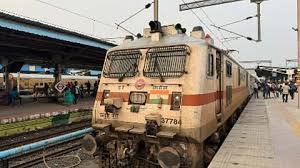

Indian Railways fare revision coming into force on December 26 has introduced changes that directly affect ticket prices across several passenger categories. This guide explains the revised fare structure step by step, helping passengers understand what has changed, who pays more, and how to plan travel accordingly.
Fare Revision Context and Passenger Impact
The Indian Railways fare revision effective December 26 is a time sensitive policy update aimed at rationalising passenger fares amid rising operational costs. The intent is not a blanket fare hike but a calibrated adjustment focused on specific travel classes and distance slabs. For most daily and suburban passengers, the impact remains limited. Long distance travellers, premium class passengers, and those booking last minute tickets are more likely to notice the changes.
The revision applies to tickets booked on or after December 26. Tickets booked earlier remain valid at old fares, even if the journey date is later. This distinction is critical for passengers planning year end or early January travel. The main keyword here is Indian Railways fare revision, and passengers should read fare charts carefully before booking to avoid confusion.
Which Train Categories Are Affected by the Fare Change
Under the revised Indian Railways ticket pricing rules, changes are primarily seen in Mail Express, Superfast, Rajdhani, Shatabdi, and premium trains. Ordinary passenger trains and most suburban services have been kept largely untouched to protect daily commuters in Tier 2 and Tier 3 cities.
Superfast surcharge revisions are a key secondary keyword. In several cases, the superfast surcharge has been marginally increased for higher classes, while remaining unchanged for Sleeper class. Premium trains such as Rajdhani and Vande Bharat have seen rationalisation in base fare combined with dynamic pricing slabs. This means fares may fluctuate more during high demand periods such as holidays and weekends.
Step by Step Breakdown of Class Wise Fare Changes
Understanding class wise fare revision helps passengers estimate ticket costs accurately. Sleeper class fares have largely remained stable, with no sharp increase across most distance bands. This decision directly benefits long distance migrant workers and middle income travellers who rely on Sleeper class for affordable travel.
AC classes have seen selective increases. AC 3 Tier and AC Chair Car fares show modest hikes, especially for journeys beyond 500 kilometres. AC 2 Tier and First Class are the most impacted, reflecting higher service costs. Unreserved ticket pricing remains mostly unchanged, except for minor rounding adjustments in select routes. Tatkal charges have not been revised, but the base fare change indirectly affects total Tatkal ticket cost.
How Distance Slabs Influence the New Fare Structure
Distance based fare calculation is central to the December 26 revision. For journeys under 300 kilometres, fare changes are negligible. The impact becomes visible in the 500 to 1000 kilometre range, where incremental per kilometre charges have been adjusted.
For long haul routes exceeding 1000 kilometres, fare rationalisation is more pronounced in AC categories. This aligns with Indian Railways’ broader revenue strategy, as long distance premium travel contributes significantly to earnings. Passengers from Tier 2 cities travelling to metros should check revised fare charts carefully, as even small per kilometre changes add up over long distances.
Booking Timing, Refunds, and Practical Planning Tips
Timing of booking plays a crucial role under the revised Indian Railways fare system. Tickets booked before December 26 are protected from the fare revision. For tickets booked after the effective date, revised fares apply regardless of travel date.
Refund rules remain unchanged. If a ticket booked under revised fares is cancelled, refunds are calculated as per existing cancellation policies. Passengers are advised to use official booking platforms to view updated fare breakdowns before payment. For budget conscious travellers, opting for Sleeper or non superfast options can still help keep costs under control despite the revision.
What This Fare Revision Signals for Future Rail Pricing
This fare revision signals a gradual shift towards dynamic and class specific pricing rather than across the board hikes. Indian Railways appears focused on balancing financial sustainability with passenger affordability. For Tier 2 and Tier 3 city passengers, the message is clear. Essential travel remains protected, while premium convenience comes at a slightly higher cost.
Over time, passengers can expect more data driven fare adjustments linked to demand, travel season, and train category. Staying informed about fare revisions will become increasingly important for regular travellers and families planning long distance journeys.
Takeaways
The fare revision applies only to tickets booked on or after December 26.
Sleeper and unreserved passengers see minimal to no impact.
AC and premium train classes are the most affected by revised pricing.
Distance and train category now play a bigger role in final ticket cost.
FAQ
Does the Indian Railways fare revision affect already booked tickets?
No. Tickets booked before December 26 remain valid at the old fare, even if the journey date is later.
Which passengers are most impacted by the fare revision?
Passengers travelling in AC classes, premium trains, and on long distance routes are most affected.
Have Tatkal charges increased due to the fare revision?
Tatkal charges themselves remain unchanged, but the revised base fare can increase the total ticket cost.
Are suburban and passenger trains affected by the new fares?
Most suburban and ordinary passenger services remain largely unaffected to protect daily commuters.