
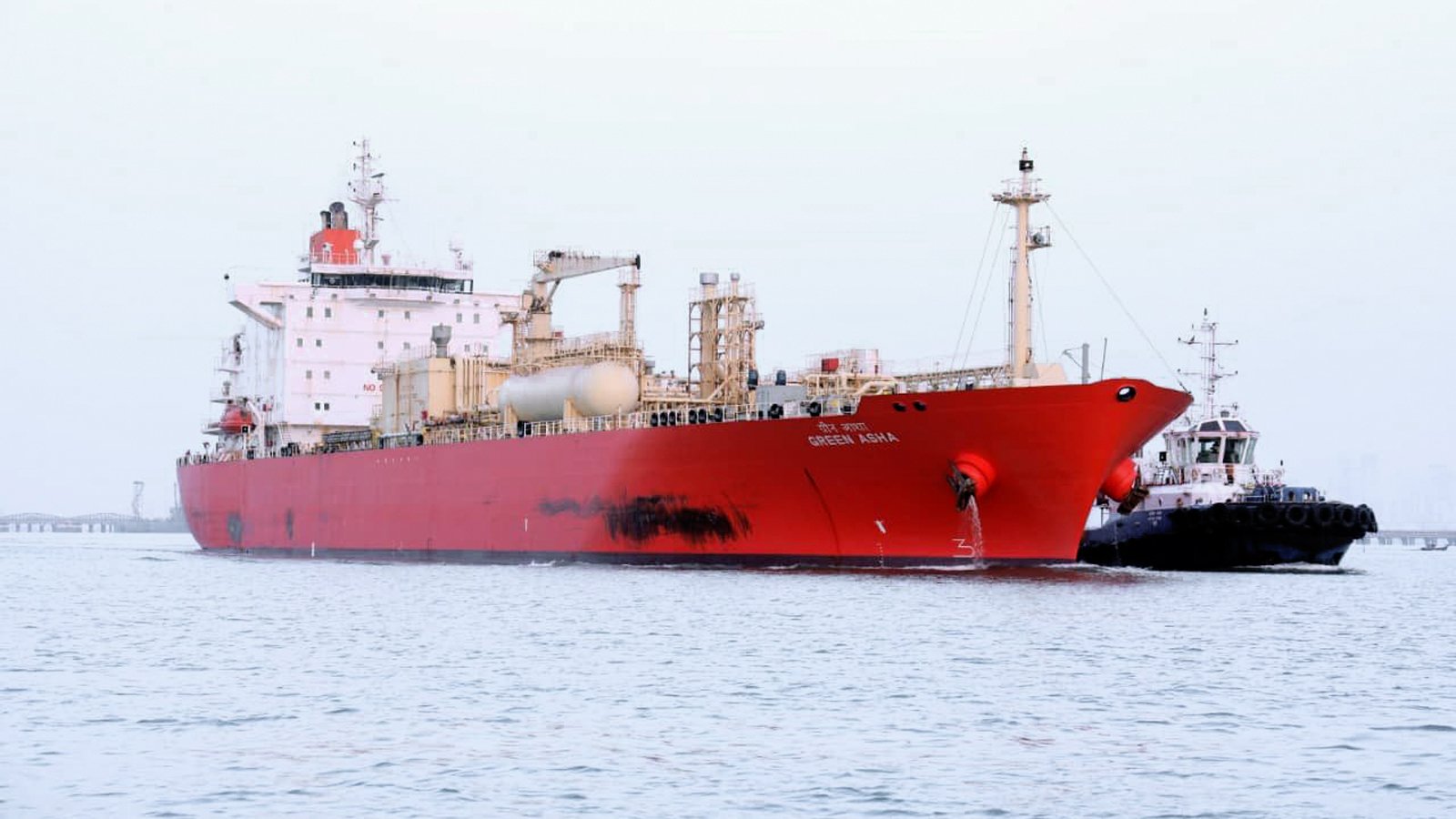

The rescue of Indian crew members from a vessel near Oman has drawn attention to maritime security and crew safety in one of the world’s busiest shipping corridors. The incident highlights growing risks faced by commercial vessels operating in regions affected by geopolitical tensions and security threats.
What Happened Near the Coast of Oman?
The rescue operation involving Indian crew members became a major international maritime story after a commercial vessel reportedly encountered a security-related incident in waters near Oman. According to publicly reported information, the ship was affected by an attack while operating in a strategically important shipping route connecting the Arabian Sea, the Gulf region, and global trade networks.
Emergency rescue efforts were launched after the vessel and its crew found themselves in distress. Reports indicated that several Indian nationals were among those onboard. Rescue teams successfully evacuated crew members and transported them to safety, preventing what could have become a much larger humanitarian and maritime crisis.
The incident quickly attracted attention from governments, shipping companies, and maritime organizations because thousands of merchant vessels pass through the region every year carrying oil, gas, food supplies, industrial goods, and consumer products.
Why the Oman Shipping Route Matters for Global Trade
The waters near Oman are part of one of the world’s most critical maritime trade corridors. Commercial ships traveling between Asia, Europe, and the Middle East frequently pass through nearby routes connected to the Strait of Hormuz and the Arabian Sea.
A significant share of global energy exports moves through these waters. Any disruption in the region can affect shipping schedules, freight costs, insurance premiums, and supply chains worldwide.
India has substantial economic interests in the region. Indian shipping companies, seafarers, exporters, and importers depend on safe maritime routes for uninterrupted trade. Thousands of Indian citizens work aboard international merchant vessels operating across these waters every year.
Because of this importance, incidents involving commercial ships often receive close attention from maritime authorities and governments across multiple countries.
Growing Risks Faced by Merchant Ships
The rescue operation has renewed discussions about maritime security challenges facing commercial vessels.
Merchant ships today operate in an environment that includes geopolitical conflicts, drone attacks, missile threats, piracy concerns, cyber risks, and navigation hazards. While international naval patrols and security arrangements help protect shipping lanes, risks still remain in certain regions.
Modern commercial vessels often carry multinational crews, meaning that a single maritime incident can affect citizens from several countries at once. Crew members are trained to follow emergency procedures, but sudden attacks or security emergencies can create life-threatening situations.
Shipping companies increasingly invest in risk assessments, route planning, security protocols, and communication systems to improve safety. However, incidents near strategic waterways demonstrate that maritime threats continue to evolve.
The Role of Rescue Operations and International Cooperation
Successful maritime rescues require coordination between multiple agencies. Naval forces, coast guards, shipping companies, port authorities, and international maritime organizations often work together during emergencies.
In the case of the Indian crew members rescued near Oman, rapid response efforts played a crucial role in ensuring crew safety. Emergency evacuations at sea are complex operations that depend on weather conditions, vessel location, communication systems, and available rescue resources.
International cooperation remains one of the most important factors in maritime safety. Information sharing between countries allows authorities to monitor threats and respond quickly when incidents occur.
The rescue also highlights the importance of emergency preparedness training for seafarers, who often spend months away from shore while operating in challenging environments.
Why Maritime Safety Is Back in Focus
The incident has once again highlighted the vulnerability of global shipping networks. While maritime trade remains one of the safest and most efficient methods of transporting goods, events in sensitive regions can expose ships and crews to unexpected dangers.
Industry experts argue that maritime safety today extends beyond traditional navigation concerns. Security planning now includes monitoring regional conflicts, tracking emerging threats, strengthening vessel protection measures, and improving crisis response capabilities.
For India, maritime safety is particularly important because the country relies heavily on sea-based trade for energy imports, exports, and international commerce. Protecting Indian seafarers working across global shipping routes remains a key concern for both government agencies and the shipping industry.
The rescue near Oman serves as a reminder that maritime security is not only about protecting cargo but also about safeguarding the lives of crew members who keep global trade moving every day.
Key Takeaways
- Indian crew members were successfully rescued following a maritime security incident near Oman.
- The affected region is a critical global shipping corridor connecting major trade routes.
- Merchant vessels face increasing security risks, including geopolitical and maritime threats.
- The incident has renewed focus on crew safety, emergency preparedness, and international maritime cooperation.
FAQ
Why was the rescue of Indian crew members near Oman significant?
The incident occurred in a strategically important shipping region and involved Indian nationals working aboard a commercial vessel, making it a major maritime safety concern.
Why are waters near Oman important for global trade?
The region connects major international shipping routes and handles a significant portion of global energy and commercial cargo transportation.
What risks do merchant ships face today?
Commercial vessels may encounter security threats, piracy, geopolitical tensions, cyber risks, navigation challenges, and emergency situations at sea.
How are maritime emergencies handled?
Rescue operations typically involve coordination among naval forces, coast guards, shipping companies, maritime authorities, and international organizations to ensure crew safety.
(Indian Crew Rescue, Oman Maritime Incident, Maritime Safety, Merchant Ship Security, Indian Seafarers, Global Shipping Routes, Maritime Rescue Operations, Shipping Industry News, Arabian Sea Security, International Maritime Trade)