
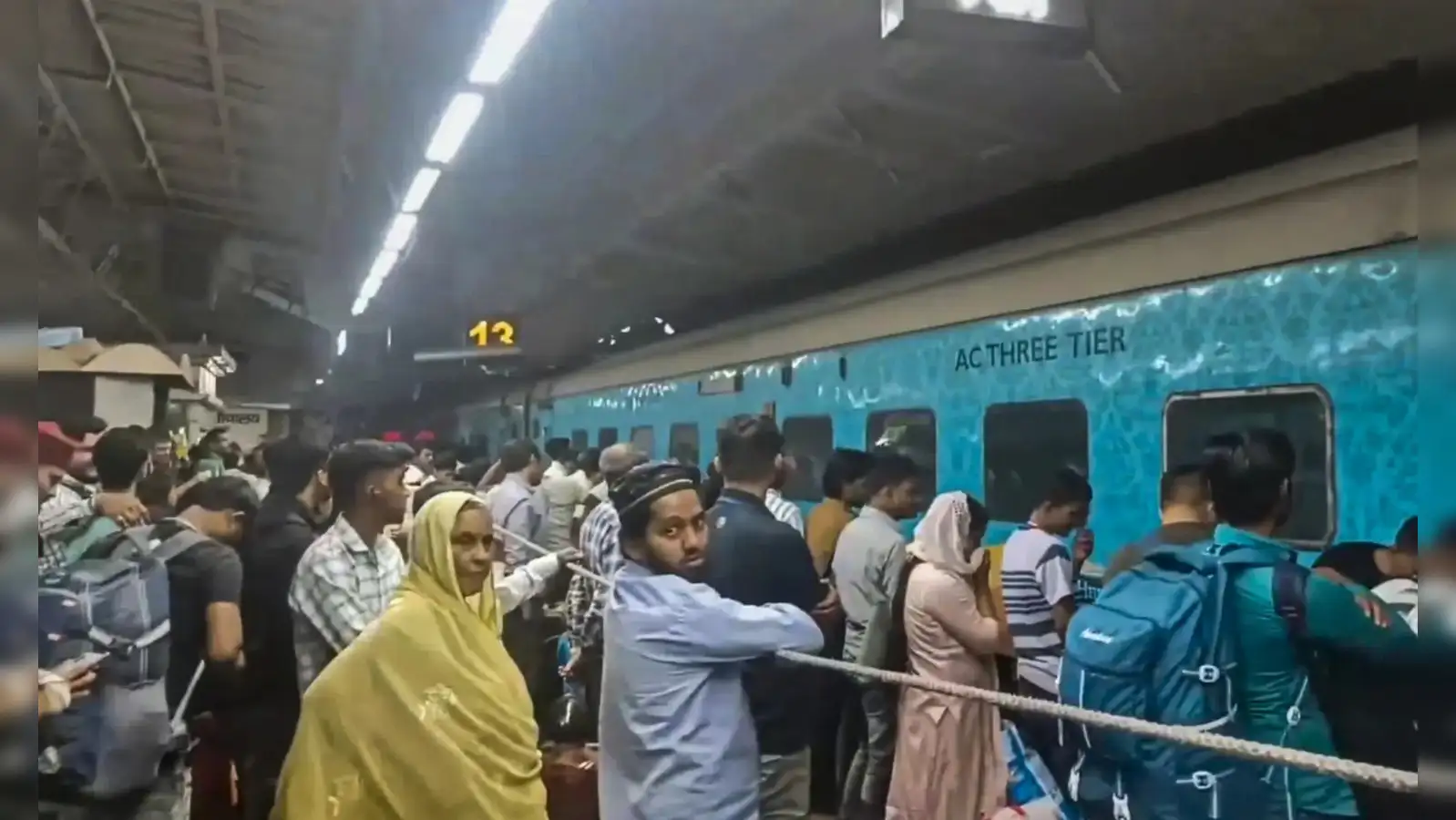

Indian Railways fare hike has come into effect with targeted revisions that affect specific categories of passengers rather than a blanket increase. This article explains how the fare hike impacts daily commuters and long distance travellers across regions, what has changed, and how passengers should interpret the new pricing structure.
This topic is time sensitive and news driven. The tone below follows a factual reporting style based on the latest fare revision framework and its immediate passenger impact.
Why Indian Railways Implemented the Fare Hike
The Indian Railways fare hike is driven by rising operational costs, including fuel expenses, maintenance, staff wages, and infrastructure upgrades. Passenger fares had remained largely static for several years, creating a widening gap between operational expenditure and revenue recovery.
The revision is designed as a calibrated adjustment rather than an across the board hike. Essential travel segments have been protected to limit impact on economically sensitive groups. Premium and long distance services contribute a larger share of passenger revenue and therefore see more rationalisation under the revised structure.
Impact on Daily Commuters and Short Distance Travel
For daily commuters, especially in suburban and short distance routes, the fare hike impact remains minimal. Ordinary passenger trains and most suburban services continue with unchanged base fares. This decision safeguards office goers, students, and informal sector workers who rely on rail for daily mobility.
In some regions, minor rounding adjustments have been introduced to streamline ticket pricing. These changes are marginal and unlikely to affect monthly travel budgets. Season tickets and suburban passes remain insulated from major revisions, ensuring continuity for high frequency travellers.
Tier 2 and Tier 3 city commuters benefit from this approach, as regional passenger services form the backbone of daily travel outside metro corridors.
Regional Impact on Long Distance Travellers
Long distance travellers experience a more noticeable effect of the Indian Railways fare hike, particularly on Mail Express and Superfast trains. The impact varies by region depending on route length, train category, and class of travel.
Routes connecting metros to Tier 2 cities see moderate fare adjustments, especially beyond the 500 kilometre distance slab. Passengers travelling between North India and eastern or southern states may observe higher ticket prices in AC classes due to cumulative distance based changes. Sleeper class fares remain largely stable, protecting budget travellers on long routes.
Class Wise Fare Changes Explained
The fare hike does not affect all classes equally. Sleeper class fares have been mostly untouched, reflecting its role as the most widely used long distance travel option. This benefits migrant workers, students, and families travelling across states.
AC 3 Tier and AC Chair Car see selective increases, particularly on high demand routes. AC 2 Tier and First Class experience the highest revision levels, aligned with higher service costs. Superfast surcharge adjustments also contribute to the final ticket price in applicable trains.
Unreserved ticket pricing remains mostly unchanged, reinforcing Indian Railways’ intent to protect essential mobility.
How Regional Economics Shape Fare Sensitivity
Regional economic conditions influence how passengers perceive the fare hike. In states with high dependence on rail for inter district travel, even small increases attract attention. In contrast, regions with higher disposable incomes show greater acceptance of premium pricing.
Southern and western routes with higher AC penetration absorb fare revisions more smoothly, while northern and eastern corridors with higher Sleeper class usage remain less impacted. This regional variation explains why passenger feedback differs widely despite a uniform policy framework.
Booking Dates, Existing Tickets, and Refund Rules
A critical aspect of the Indian Railways fare hike is its applicability. Tickets booked before the effective date remain valid at old fares, regardless of travel date. Only tickets booked after the revision date are charged at updated rates.
Refund and cancellation rules remain unchanged. However, revised base fares affect the total refund amount calculation in percentage based cancellations. Passengers booking Tatkal tickets should note that while Tatkal charges remain the same, the higher base fare can increase the total payable amount.
What This Fare Hike Signals Going Forward
This fare hike signals a shift toward targeted pricing adjustments rather than sudden large scale increases. Indian Railways appears focused on balancing financial sustainability with social responsibility. The emphasis is on protecting daily commuters while allowing flexibility in premium and long haul segments.
Passengers can expect future revisions to follow a similar pattern, with gradual adjustments linked to service category and distance. Staying informed about fare updates will become increasingly important for regular travellers.
Takeaways
Daily commuters and suburban passengers face minimal fare impact.
Long distance and premium class travellers see selective fare increases.
Sleeper class remains largely protected under the revised structure.
Fare revisions reflect distance, class, and regional travel patterns.
FAQ
Does the fare hike apply to tickets already booked?
No. Tickets booked before the revision date remain valid at old fares.
Are Sleeper class fares affected by the hike?
Sleeper class fares are mostly unchanged, especially for long distance routes.
Do regional trains face higher fare increases?
Most regional and passenger trains remain unaffected to protect daily commuters.
Will there be more fare hikes soon?
Future revisions are expected to be gradual and category specific rather than sudden.