
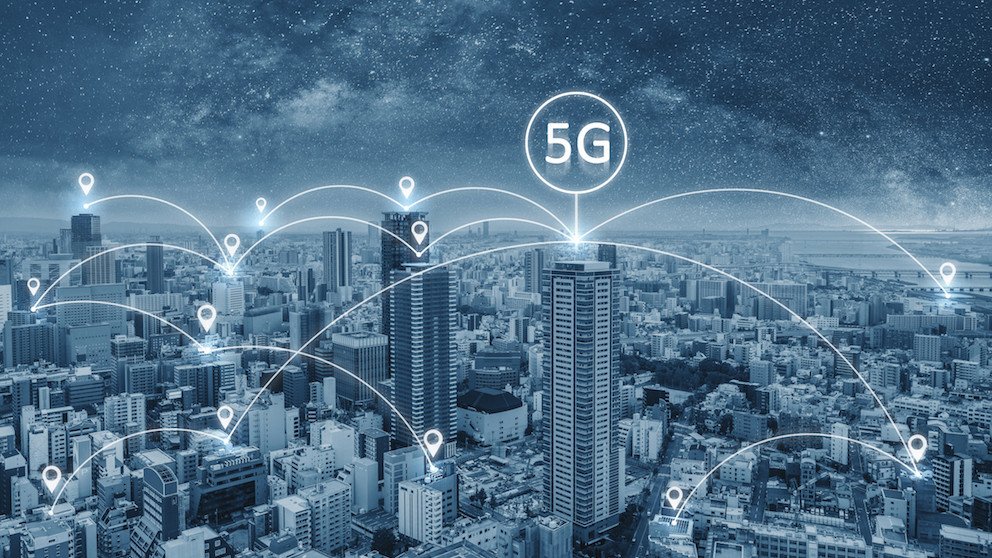

Mid sized Indian cities are increasingly attracting technology investments as infrastructure and digital connectivity improve across the country. Companies are expanding beyond major metropolitan hubs to tap lower costs, skilled talent, and growing regional markets in these emerging urban centers.
The rise of mid sized Indian cities attracting tech investments reflects a structural shift in India’s technology sector. Improvements in infrastructure, digital connectivity, and regional economic development are encouraging companies to establish technology offices, development centres, and innovation hubs outside traditional metropolitan locations.
How Infrastructure Development Is Supporting Technology Growth
Infrastructure expansion has played a major role in enabling technology investment in mid sized Indian cities. Over the past decade, governments have focused on improving transportation networks, industrial corridors, and urban infrastructure in growing urban centres.
Highways, expressways, and logistics corridors have strengthened connectivity between smaller cities and major economic hubs. Improved transportation allows technology companies to operate efficiently while maintaining access to national business networks.
Modern office spaces, technology parks, and industrial clusters are also emerging in many mid sized cities. These facilities provide startups and technology firms with the physical infrastructure required for operations, including high speed internet connectivity and reliable power supply.
Cities such as Indore, Kochi, Surat, Jaipur, and Coimbatore have benefited from infrastructure projects that support technology driven businesses. These developments create conditions that allow companies to scale operations outside major metropolitan regions.
Digital Connectivity Driving Regional Tech Ecosystems
Digital connectivity has transformed how technology companies choose business locations. Reliable broadband networks, cloud computing platforms, and mobile internet access allow teams to collaborate across different cities without relying on a single centralized office.
Mid sized cities now have access to high speed internet networks that were once limited to large metropolitan areas. This has enabled startups, software companies, and technology service providers to operate effectively from smaller urban centres.
Digital platforms also make it easier for businesses in these cities to reach national and international customers. Ecommerce platforms, online payment systems, and cloud based software tools allow startups to launch products and services without large physical infrastructure.
As a result, digital infrastructure is reducing the traditional advantages that large metropolitan technology hubs once held.
Cost Advantages Encourage Technology Expansion
Lower operational costs remain one of the most significant factors attracting tech investments to mid sized cities. Real estate prices in major technology hubs have increased significantly over the past decade.
For technology companies expanding their workforce, renting office space in smaller cities can be substantially more affordable. This allows companies to allocate resources toward research, development, and product innovation.
Employee costs are also more manageable in many mid sized cities because the cost of living is lower compared to metropolitan areas. Skilled professionals can maintain a comfortable lifestyle while earning competitive salaries.
This cost advantage allows companies to scale teams more efficiently while maintaining financial sustainability.
Growing Talent Pool in Regional Technology Centers
Mid sized Indian cities have developed strong talent pipelines through universities, engineering colleges, and technical institutes. These institutions graduate thousands of students each year with degrees in computer science, engineering, and information technology.
In the past, many graduates relocated to metropolitan cities for employment. However, as technology companies expand into regional centres, more professionals are choosing to remain in their home cities.
Remote work models have also expanded employment opportunities. Technology professionals can now collaborate with global teams while living in smaller cities with lower living costs.
This trend allows companies to recruit talent from a wider geographic area rather than competing for employees in a few major urban centres.
Startup Ecosystems Emerging in Mid Sized Cities
Technology investment is not limited to large corporations. Startup ecosystems are also developing rapidly in mid sized cities across India.
Incubation centres, innovation labs, and startup accelerators are being established in regional universities and technology parks. These initiatives support early stage entrepreneurs by providing mentorship, funding access, and networking opportunities.
Local startup communities often focus on solving problems specific to regional markets. Examples include logistics platforms, digital services for small businesses, and technology solutions for agriculture and manufacturing.
By targeting local challenges, startups can develop innovative products that later scale to national markets.
This ecosystem growth creates a positive cycle where successful startups attract further investment and talent.
Economic Impact of Technology Investments in Smaller Cities
The expansion of technology industries in mid sized cities generates broader economic benefits. Technology jobs often offer higher salaries compared to traditional sectors, which increases local purchasing power.
This increased spending supports growth in housing, retail, hospitality, and transportation industries. Local economies become more diversified as service sectors expand to support technology professionals.
Technology investments can also encourage improvements in education, digital infrastructure, and research facilities. Over time, these changes strengthen the overall economic competitiveness of regional cities.
Many analysts believe that distributing technology growth across multiple cities can reduce pressure on large metropolitan regions while supporting balanced national development.
Future Outlook for Tech Investments in Mid Sized Cities
The trend of technology companies expanding into mid sized cities is expected to continue in the coming years. Advances in cloud computing, artificial intelligence, and digital collaboration tools make location less important for many technology businesses.
Investors are increasingly exploring opportunities in emerging technology ecosystems beyond major metropolitan areas. Companies are also recognizing that regional cities offer access to untapped talent and growing consumer markets.
As infrastructure development and digital connectivity continue to improve, mid sized cities are likely to become important contributors to India’s technology driven economic growth.
Takeaways
• Infrastructure development is enabling technology companies to operate in mid sized cities
• Strong digital connectivity allows startups and IT firms to work from regional locations
• Lower operational costs attract tech investments outside traditional metro hubs
• Growing talent pools and startup ecosystems support long term technology growth
FAQs
Why are tech companies investing in mid sized Indian cities?
Lower costs, improved infrastructure, and access to skilled talent make mid sized cities attractive for technology companies.
Which mid sized cities are attracting technology investments?
Cities such as Indore, Jaipur, Surat, Kochi, and Coimbatore are emerging as technology and startup centres.
How does digital infrastructure support tech companies?
Reliable internet connectivity, cloud platforms, and online collaboration tools allow technology teams to work efficiently from different locations.
Will mid sized cities replace major IT hubs in India?
Major technology hubs will remain important, but mid sized cities are expected to complement them by expanding the national technology workforce.