
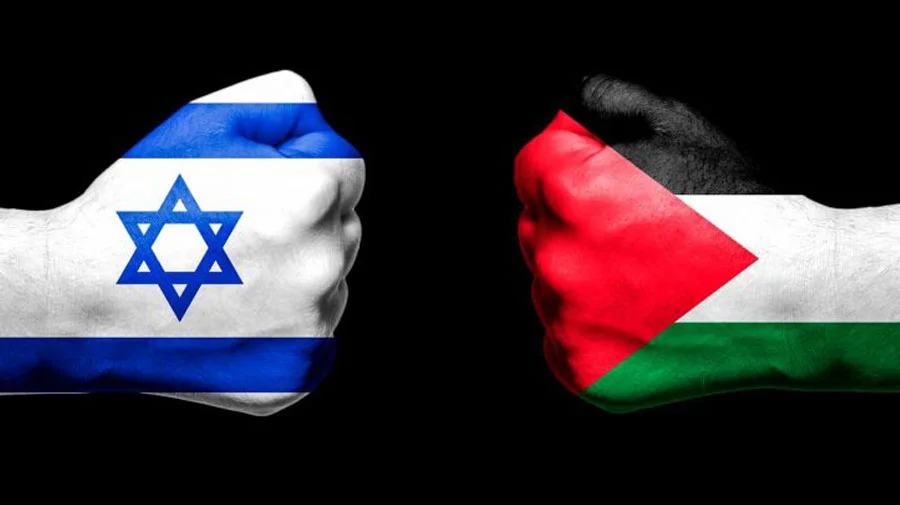

The Israel–Palestine conflict is one of the most long-standing disputes in modern history, rooted in territorial, political, and religious issues. It involves competing claims over land in the Middle East, primarily between the State of Israel and the Palestinian people. Understanding the conflict in simple terms helps readers grasp the humanitarian, political, and social consequences that continue to affect millions.
The conflict began in the early 20th century, with Jewish migration to what was then British-controlled Palestine. Tensions rose between Jewish and Arab communities as both claimed the land as their homeland. The creation of Israel in 1948 led to wars, displacement, and ongoing disputes over territory and statehood.
Key issues include the status of Jerusalem, borders, Israeli settlements in occupied territories, and the rights of Palestinian refugees. Peace talks and international interventions have occurred over the decades, but agreements have been fragile and short-lived, often disrupted by violence from both sides.
The humanitarian impact is significant. Palestinian civilians in Gaza and the West Bank face economic hardship, limited access to resources, and frequent security threats, while Israelis live under the constant threat of attacks. This cycle of tension has fueled political instability and international concern.
Understanding the conflict also involves recognizing its global implications. Nations, including India, follow the situation carefully, balancing diplomatic relations with Israel and support for Palestinian rights. The issue continues to influence international policies, trade, and peacekeeping efforts.
In conclusion, the Israel–Palestine conflict is complex but revolves around land, identity, and security. Its resolution requires dialogue, compromise, and humanitarian consideration. For ordinary citizens worldwide, awareness helps foster informed discussions about peace, justice, and the challenges faced by both communities.