
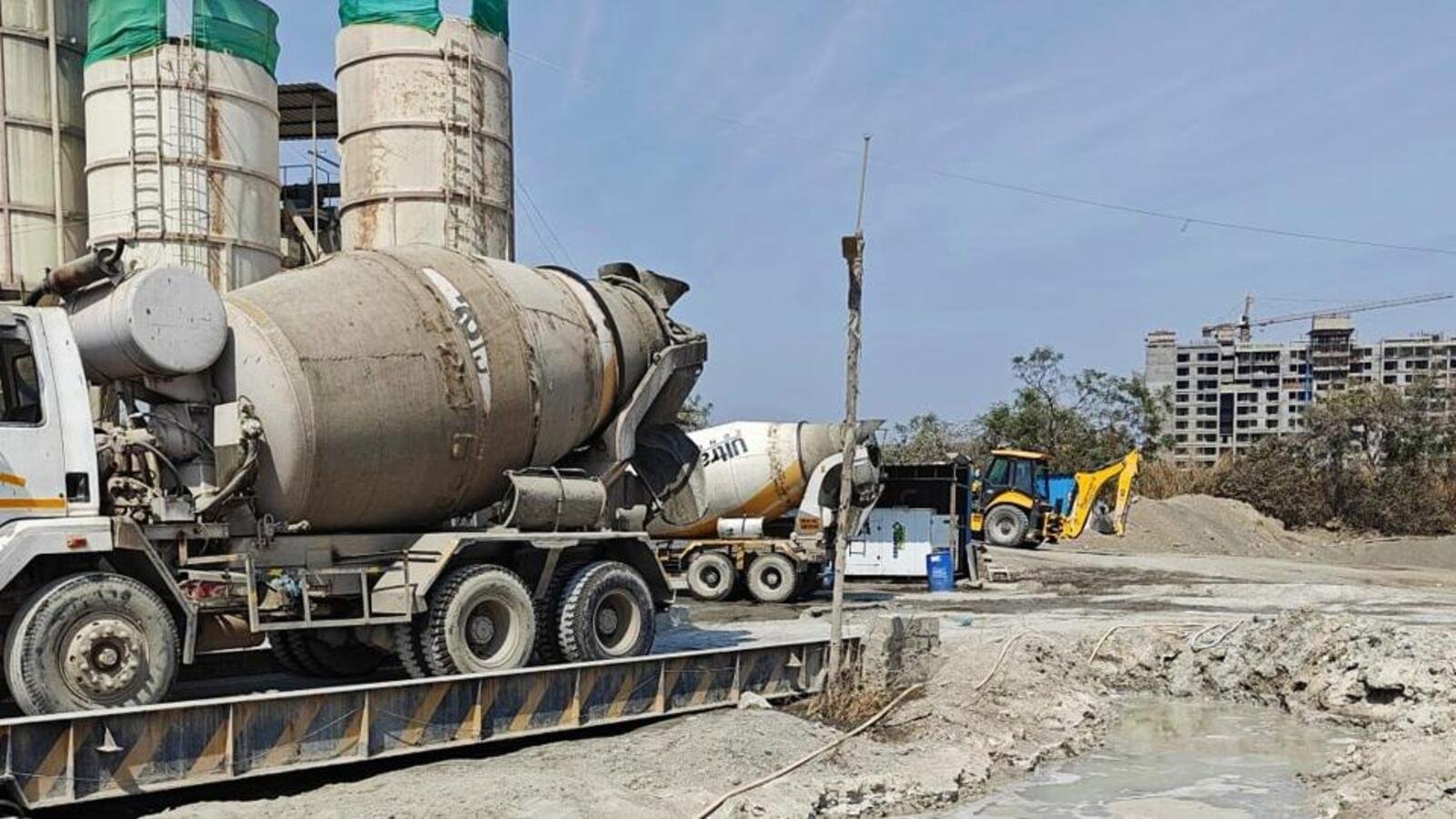

Maharashtra shuts four concrete plants for air pollution violation as part of stricter local environmental enforcement aimed at curbing rising particulate levels in urban and semi urban regions. The action reflects growing regulatory focus on industrial contributors to air quality deterioration across the state.
This topic is time sensitive news reporting. The article below focuses on enforcement action, local impact, and regulatory implications.
What Led to the Shutdown of Concrete Plants
The closure of four concrete batching plants in Maharashtra followed inspections that found violations of air pollution control norms. These plants were operating without adequate dust suppression systems, emission controls, and compliance documentation required under state pollution regulations.
Concrete plants are significant sources of particulate matter due to cement handling, aggregate movement, and heavy vehicle activity. When mitigation systems like water sprinklers, enclosures, and pollution control equipment are missing or non functional, emissions increase sharply.
Regulatory authorities acted after repeated warnings and non compliance reports. The shutdown orders were issued to prevent further environmental damage and to send a clear signal to other operators about enforcement seriousness.
Areas Affected and Local Environmental Impact
The action has immediate relevance for nearby residential and commercial zones. Concrete plants are often located near expanding city outskirts, industrial belts, and infrastructure project corridors.
Residents in surrounding areas had raised complaints related to dust accumulation, breathing discomfort, and reduced visibility. Fine particulate matter from such plants settles on homes, vehicles, and vegetation, increasing long term exposure risks.
Local environmental monitoring data has shown that industrial dust contributes significantly to poor air quality days, especially during dry weather conditions. Shutting down non compliant units is expected to reduce localized pollution levels, even if temporarily.
For communities living close to these facilities, enforcement brings relief but also raises concerns about job continuity and supply disruptions.
Regulatory Framework Behind the Action
The shutdowns were carried out under existing air pollution control laws that require industrial units to meet emission standards and obtain valid operational consents. Concrete plants must implement dust control mechanisms, maintain records, and allow inspections.
Failure to comply can result in penalties, suspension of operations, or closure. In recent years, Maharashtra has increased inspection frequency for pollution intensive industries, especially those operating near populated areas.
Authorities are also under pressure to demonstrate visible action as public awareness around air quality grows. Courts and environmental bodies have emphasized accountability at the local enforcement level rather than relying only on policy declarations.
Impact on Construction and Infrastructure Projects
Closing concrete plants has a ripple effect on construction activity. Ready mix concrete is a critical input for housing, road building, and infrastructure projects.
Short term disruptions may affect project timelines, especially where alternative suppliers are limited. Contractors may need to source materials from compliant plants farther away, increasing costs and logistical complexity.
However, regulators argue that environmental compliance cannot be compromised for convenience. Over time, enforcement is expected to push the industry toward cleaner operations rather than halting development.
Compliant plants benefit indirectly as demand shifts toward units that meet environmental standards.
Industry Response and Compliance Challenges
Concrete plant operators often cite cost pressures and inconsistent enforcement as challenges to compliance. Installing and maintaining pollution control equipment requires upfront investment and regular monitoring.
Some smaller operators struggle to upgrade facilities, particularly in competitive markets where pricing pressure is high. However, regulators maintain that environmental safeguards are non negotiable.
Industry associations have called for clearer guidelines, transition timelines, and technical support, especially for older plants. At the same time, authorities have emphasized that repeated violations leave little room for leniency.
The current shutdowns reinforce that enforcement actions are no longer symbolic.
Broader Implications for Environmental Enforcement
Maharashtra shutting four concrete plants signals a broader shift toward on ground enforcement rather than policy announcements alone. Local pollution sources, not just vehicular emissions, are increasingly under scrutiny.
This approach aligns with public health priorities as air pollution is linked to respiratory and cardiovascular issues. Targeting industrial dust sources addresses a major contributor often overlooked in public discourse.
For other industries, the message is clear. Compliance audits, surprise inspections, and closure orders are becoming more common tools in environmental governance.
The effectiveness of this approach will depend on sustained monitoring rather than one time actions.
What Comes Next for the Shut Plants
The affected concrete plants can resume operations only after rectifying violations and obtaining fresh clearance. This typically involves installing pollution control systems, demonstrating compliance, and passing follow up inspections.
Authorities may impose penalties or require environmental compensation depending on the duration and severity of violations.
For local administrations, the challenge lies in ensuring reopened units do not revert to old practices once attention shifts.
Takeaways
Maharashtra shut four concrete plants due to confirmed air pollution violations
The action highlights stricter local level environmental enforcement
Residents near industrial zones stand to benefit from reduced dust exposure
Industries face rising pressure to meet pollution control norms consistently
FAQs
Why were the concrete plants shut down
They failed to comply with mandatory air pollution control standards and continued operations despite warnings.
Will this affect construction projects
Short term disruptions are possible, but compliant plants are expected to absorb demand.
Can the shut plants reopen
Yes, after correcting violations and receiving approval from pollution control authorities.
Is this part of a larger enforcement drive
Yes, Maharashtra has increased inspections and action against pollution intensive industries.